
Oxford's Ruskin School of Art launches new master's to bring art history into the studio
A new master's course is set to offer a distinctive new approach to studying contemporary art history by placing students in the heart of a working art school, giving them the opportunity to study contemporary art alongside the people creating it.
Tags:
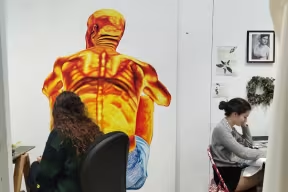

Launching at the University of Oxford's Ruskin School of Art for 2027/28, the three-term MSt in Contemporary Art History and Theory will combine academic study with hands-on experience, exploring how art is made, interpreted, exhibited and written about through seminars, tutorials and direct collaboration with practising artists.
The Ruskin School of Art was founded in 1871 and is home to around 140 students, with internationally recognised artists, filmmakers and writers among its staff, including Turner Prize and Jarman Award winners.
Bringing art history and artistic practice together
The new course will be led by Anthony Gardner, Professor of Contemporary Art History and Director of Graduate Studies at the Ruskin, and Vera Mey, Associate Professor of Contemporary Art History and Theory, who joined the Ruskin earlier this year.
'The inspiration for the course was driven by students wanting a programme like this at the Ruskin, where artmaking and writing about art are already closely intertwined. But there wasn't that particular focus on contemporary art history and theory at master's level,' Professor Gardner says.
At the heart of the programme is the idea that art history is a practice operating in close dialogue with artists as well as art historians.
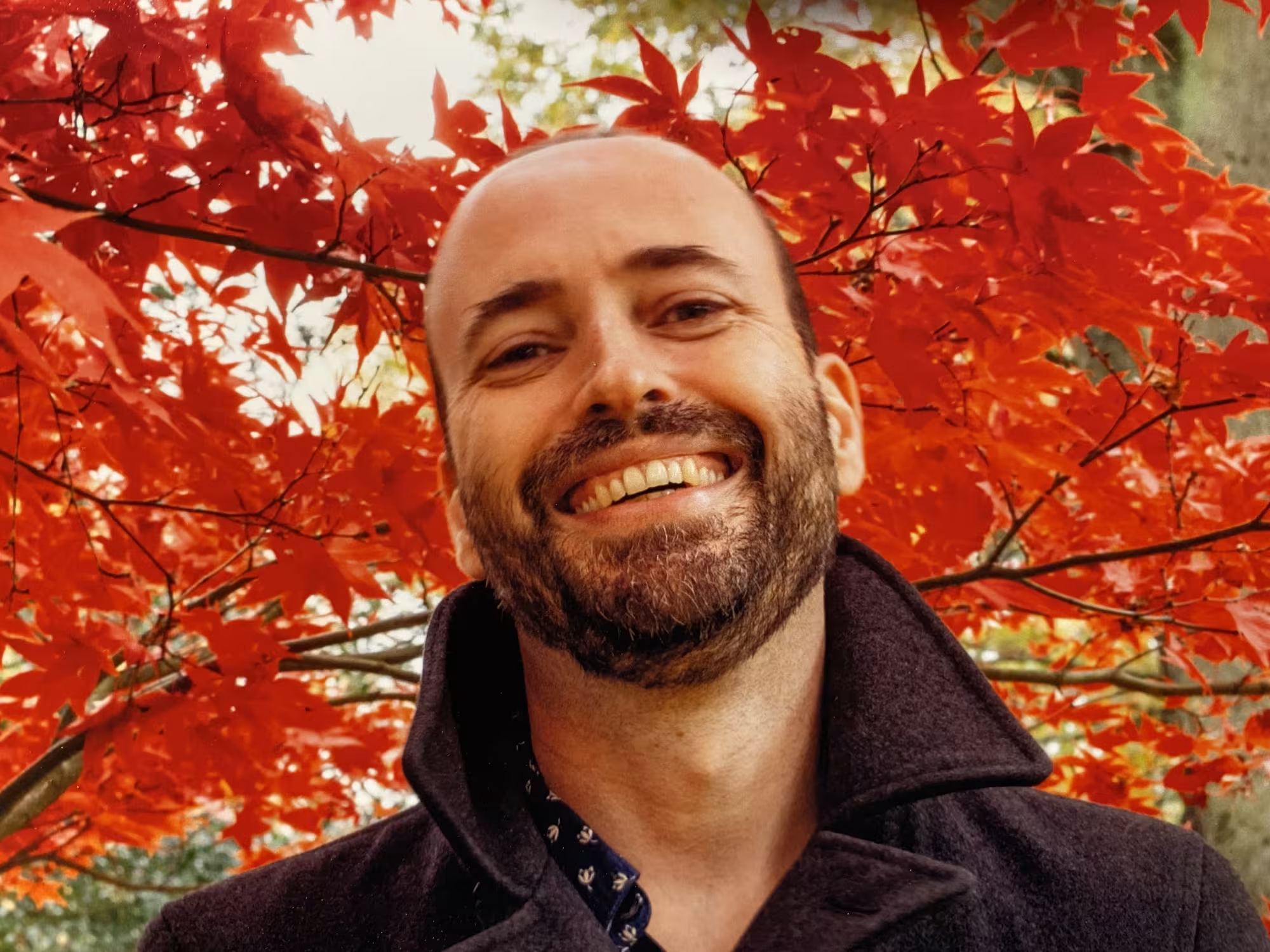
'It's thinking about how art history operates within the framework of contemporary art and curatorial practice, with artistic practice and writing thoroughly intertwined from the outset,' explains Professor Gardner.
This relationship between theory and practice will be reflected in the experience of students who will work closely with leading thinkers and practitioners in contemporary art, as well as students on the Ruskin's fine art and doctoral programmes. Alongside seminars and tutorials, they will develop practical skills including interviewing artists, working with objects and writing about contemporary art.
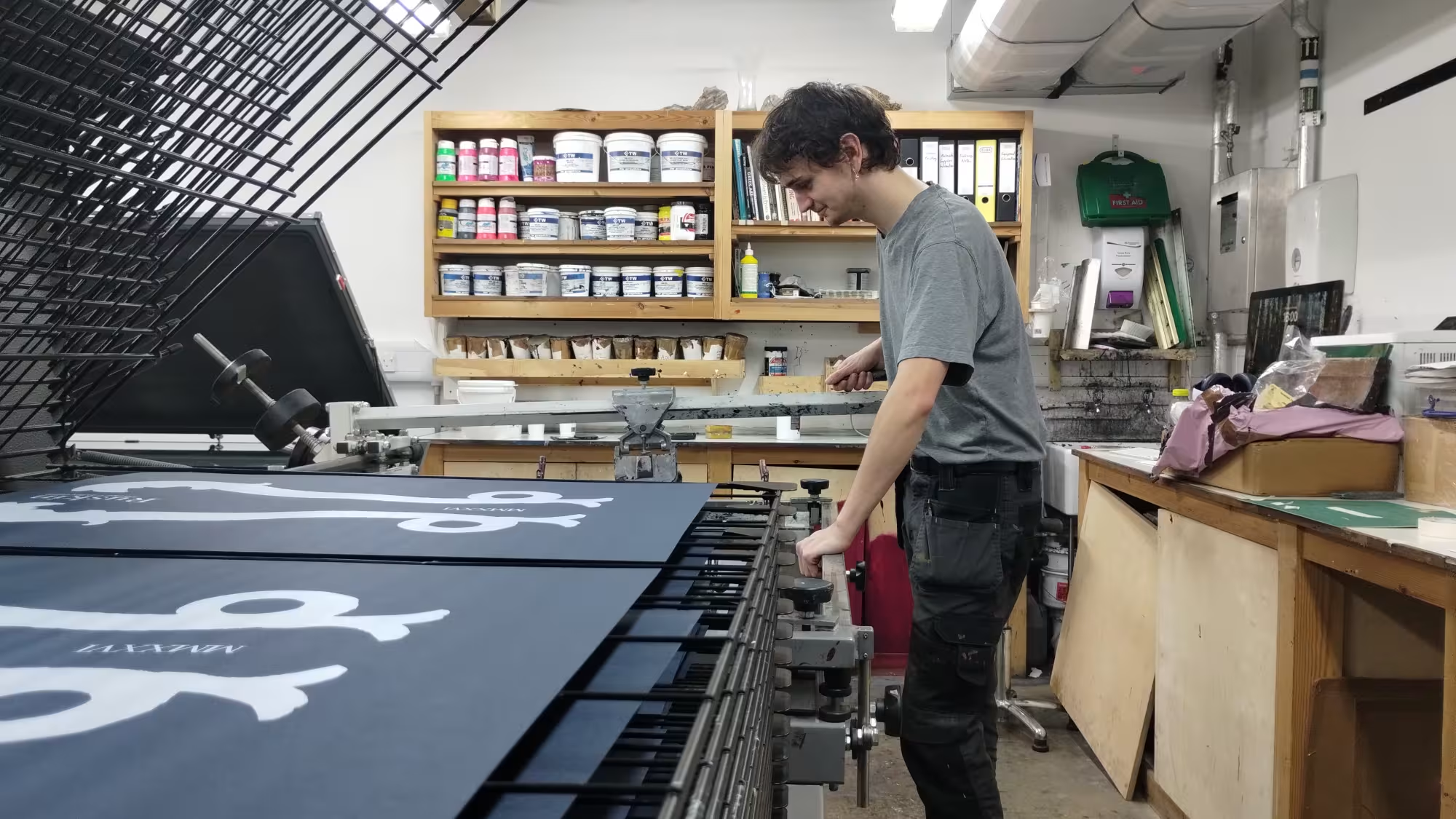
In one of the programme's planned collaborations, students will work directly with those on the Ruskin's Master of Fine Art (MFA) course, producing written pieces about their artistic work for publication on the School's website.
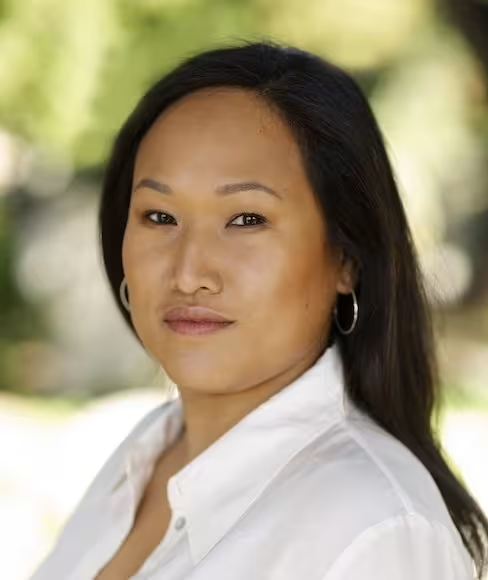
For Associate Professor Mey, who has worked as a curator across Asia, Europe and the UK, the programme offers an approach she would have welcomed earlier in her own career.
'It would have been the kind of programme I would have loved to do after leaving an undergraduate degree,' she says.
'It's an environment where you're testing your ideas about art history and about art theory with people actually making art.'
Exploring the big questions facing society
The course will also explore how contemporary art can help us understand some of the major challenges facing society. Two specialist papers will draw directly on the latest research of the academics leading the programme.
Professor Gardner's paper, 'Attention: Art in an Age of Perpetual Distraction', will examine how artists respond to digital technologies, social media and the competing demands on our attention.
'Contemporary art can help us think differently about some of the challenges we face today,' says Professor Gardner. 'From finding stillness in a time of speed to developing empathy and curiosity in an increasingly algorithm-driven world.'
Associate Professor Mey's paper, 'Curating Art at the End of the World', will explore the role of contemporary art at a time when cultural institutions face funding pressures and questions are bring raised about the relevance of art today.
It will examine how artists not only create artworks but also build institutions, develop exhibitions and shape new ways of understanding the world.
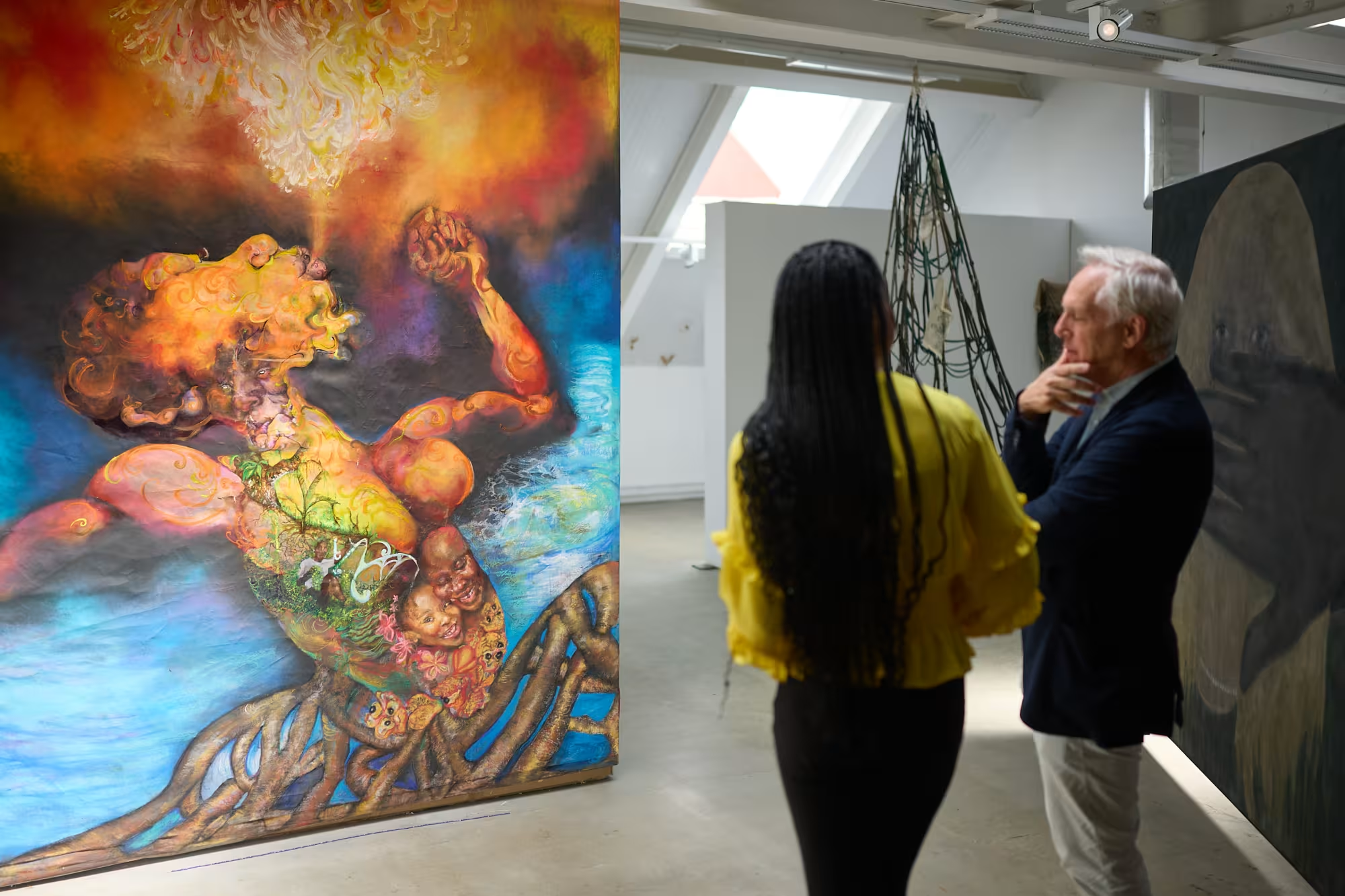
Bringing together different perspectives
The programme aims to attract students with different perspectives and experiences, from recent graduates to experienced professionals and from diverse academic and professional backgrounds. This diversity of voices will a powerful part of the learning experience, says Professor Gardner.
'We're excited to work with people who are passionate about contemporary art, its place in the world and how it connects to the big social and political questions we face today,' says Associate Professor Mey.
Professor Gardner hopes the programme will give students the confidence to explore new ideas and possibilities, whether they go on to academic research, careers in museums and galleries, or their own artistic practice.
'There's a really wonderful chance of giving students the opportunities, the courage, the space to experiment with their ideas,' he says.
Find out more about the course here.
An online information session will be held on 20 November. Find out more here.


