
Expert Comment: Evidence and solutions for the health impacts of climate change in the UK
This week, Peers for the Planet launched the Parliamentarians’ Guide to Health and Climate Change, funded by Wellcome, which sets out for MPs and Peers how climate change and nature loss are affecting health in the UK.
Researchers from the University of Oxford’s Department of Biology, Nuffield Department of Primary Care Health Sciences, Oxford Martin School and Department of Social Policy and Intervention contributed sections, alongside colleagues from other UK universities. Here, they outline the main takeaways from their sections of the guide.


Summer 2026 was the UK’s hottest on record, with an average temperature of 16.5°C, beating the record set only the year before.
The Met Office said a summer like it is now around 130 times more likely because of human-induced climate change. In May, the Climate Change Committee’s fourth independent assessment of UK climate risk, A Well-Adapted UK, set out the need to protect people from heat, including patients and residents in overheated hospitals and care homes.
The publication of the Parliamentarians’ Guide to Health and Climate Change provides parliamentarians with the evidence as it is currently understood and suggests practical policy actions to take forward.
How are climate change and biodiversity affecting health in the UK?
Nature is in a period of rapid climate-driven ecological turnover.
Some species and ecosystems are thriving in the new climate norms; others are in serious decline. Given that some nature can be harmful for human health, health risks associated with climate-driven ecological turnover need to be regarded as two separate questions: what biodiversity are we losing that is important for human health? And what biodiversity is increasing that poses a threat?
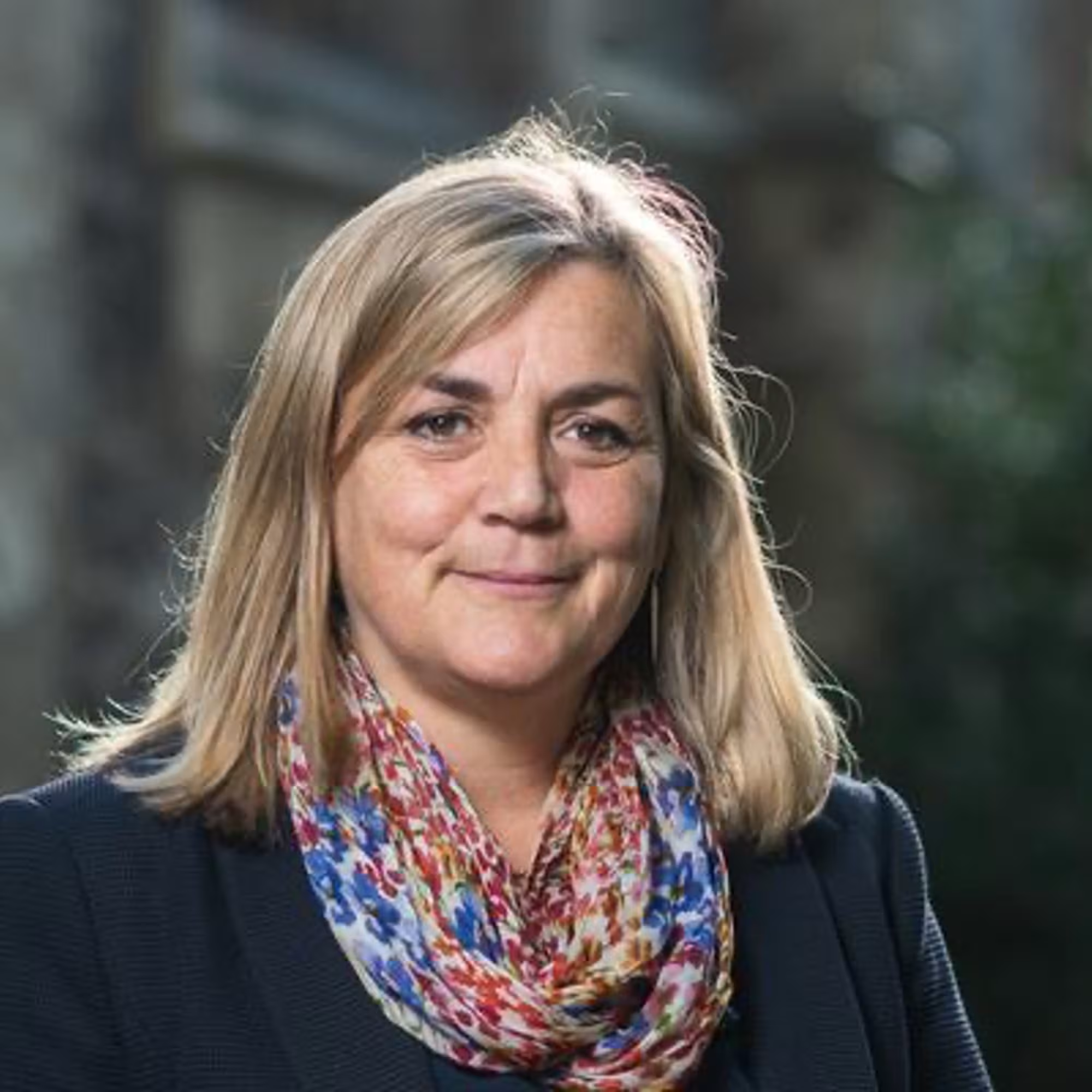
“The science is clear: climate change is no longer a distant or abstract threat. Its impacts are already affecting people’s health, livelihoods and daily lives. We must act urgently, putting proven solutions into practice to protect public health, build resilience and safeguard the natural environment on which we depend.”
How is climate change affecting food systems and how does that impact the UK?
A changing climate is straining what the country can grow and afford, while the way we produce and eat food is a major driver of climate change, nature loss and ill health.
The UK imports roughly 40% of its food, with low self-sufficiency in fresh produce: only 53% of vegetables and 16% of fruit are grown here. Since 2013, more than half of UK fruit and vegetable imports have come from increasingly water-scarce countries. The empty UK supermarket shelves of February 2023, when tomatoes, peppers and salad supplies fell after unusual storms in Spain and North Africa, were a preview of the disruption ahead.

“Climate change is hitting UK food already and has already increased the price of food. Those price rises hit the poorest hardest, when poor diet is already one of the UK’s leading causes of ill health. The good news is that a diet with more fruit, vegetables, and pulses is better for our health, cuts emissions, and frees land for nature.”
How is extreme weather affecting child and maternal health in the UK?
Pregnant women, newborns and children are particularly vulnerable to climate change because these are sensitive periods for health and development.
Evidence links extreme heat, poorer air quality, flooding, drought and wildfire smoke with worse maternal, newborn and child health outcomes. Climate-related impacts are already disrupting maternity services, neonatal care, housing, schools and early years settings.

“We know that climate change is directly impacting children before they are born. There is a rise in the likelihood of a baby being born prematurely with heat exposure. Pregnant mothers are more likely to experience certain health conditions such as gestational diabetes. As children grow, climate change impacts their health, wellbeing, access to education and productivity and exam results.”
What is the cost of climate change on our health in the UK?
Health-sector discussions about climate change are expanding from a focus on the sector’s environmental footprint, to the direct effects of climate impacts on health and care delivery. Ensuring system resilience in the face of climate change and extreme weather events is central to the delivery of safe, timely and equitable care.

“Quantifying the cost of climate change on our health in the UK requires a whole-system approach. Methods are being developed to provide more precise attribution estimates, but they still rely on limited data. Using a basic resource-utilisation approach, we can estimate that extreme temperatures, made more likely by climate change, increase the direct cost of providing healthcare by around 3%. This likely underestimates the true impact.”


