CVs
A curriculum vitae (CV), or résumé in North America, is a concise summary of your skills, experience, achievements, and education. This page provides guidance on different CV formats, including standard CVs, North American résumés, academic and narrative CVs, as well as CV checking and further resources.


Employers may initially spend a very short time scanning your CV (perhaps as little as a few seconds), so it must be able to convey the most relevant points about your skills and experience in a clear, accessible way. In addition, increasingly Applicant Tracking Systems (ATS) are being used by employers to screen the volume of CVs they are receiving. The primary challenge is therefore to make it easy for the reader, or ATS, to find exactly what they are looking for. You should focus on the role's core requirements and adjust or adapt your CV for each application.
Top tips
Be concise
- Keep it to one or two full pages (academic CVs may be longer) - check if there is specified page limit in the application guidance
- Use bullet points to present the information concisely
- Avoid too much context, excessive detail or unfocused material that will dilute the impact of your most relevant messages.
Remember the purpose
Your CV is to get you the interview or meeting, NOT the job itself.
Try to address these key elements in your descriptions:
- What you were responsible for
- What you achieved
- And how you have worked within a team/with others
...so that the reader wants to learn more by meeting you.
Target your CV
- Target your CV to each position you are applying to, tailoring your content to the job description – it should not be just a list of everything that you have done
- Sometimes organisations will give guidance (on their website/recruitment materials) on what they want you to include in your CV - if they do, follow it.
Be evidence-based
- Provide clear evidence of your contribution and impact
- Focus on responsibilities, to showcase your skills...
- … and achievements by using numbers, percentages, and values to quantify your impact and give a sense of scale/context.
Be clear
- A well written CV is easy to read and scan quickly; clear font of 10 pt or 11 pt; some blank spaces; not too narrow a margin
- We would recommend writing your role/position and the name of the organisation on the left-hand side of the page and the dates on the right-hand side
- Use simple language – avoid jargon, generalisations, ‘management speak’, and acronyms
- Do not write in prose or paragraphs – as space is limited
- CVs are usually a record of what you have done in the past, so completed tasks and activities should be written in the past tense. If you are describing an activity/role/job you are currently doing, the present tense is fine.
How to create your focused, relevant CV
- Make a list (for yourself) of all of your experience, achievements, and key dates, including educational achievement, work experience, prizes, awards, involvement in societies, sports and clubs and your other interests and skills (for example, languages and special/unusual IT skills). Note down the key skills and attributes which led to these achievements.
- Identify the skills and competencies required for the role you are applying to. You can do this by reading the job advertisement or job description and by looking at the organisation’s website, publicity material and recruitment literature. Check the relevant occupation section of our website and see our page on demonstrating you fit the job criteria for more advice.
- From your list, select the most relevant examples that demonstrate the skills and competencies required for the role. Remember, you will have gained valuable transferable skills in a broad range of activities that you may have undertaken.
- Select the format of CV – for most student applications, the traditional reverse chronological format is recommended. If you are unsure about which CV type is appropriate, please ask one of our careers advisers.
Dividing your CV into sections/headings makes it easier for the reader, e.g.:
- EDUCATION: normally at the top (especially for recent graduates entering the jobs market for the first or second time). Include awards under each relevant education section, for example, grant awards for a DPhil, school prizes, undergraduate prizes or high rankings (‘2nd in year’)
- EXPERIENCE (rather than “Employment”): this can include voluntary work, student society roles, internships, paid work, etc. For experienced research staff, this may be above the "Education" section.
- INTERESTS or COMMUNITY ACTIVITY AND SKILLS should be included to indicate extra, diverse talents. Within this section, you might use sub-categories such as IT Skills (but only if they are specialist or unusual); Languages; Music; Sports; etc.
What you don’t need to include
Remember that the CV is meant to get you the interview/meeting, so don’t feel you have to include every last detail – leave the reader wanting to learn more about you. You don't need to include the following in a CV:
- The words ‘Curriculum Vitae’ or ‘CV’
- Date of birth and/or age
- Marital status, disability, children, partner, sexual preferences, sex, racial background, religion
- Home address
- Nationality – unless you want to show that you do have the Right to Work in the country in question
- Referees – this takes up space, they’ll assume you have them, there are probably other opportunities to record these details. For academic CVs, it is typical to list referees
- Basic IT skills: these days everyone can use the internet, word processing, spreadsheets, etc., to a competent level – but do include any super-advanced qualifications in MS Office and of course any specialist software like python, C++, SPSS, etc.
- Interests such as ‘socialising with friends, cooking, reading, cinema’ etc. If you do choose to include them, give more details e.g.: ‘French films of 1940-1960’.
Using bullet points
Aim to create impactful bullet points, with each bullet focused on a single idea. Consider applying the ‘CAR’ mnemonic
- Context: the organisation name, your job title and dates is often sufficient.
- Action Words that demonstrate you took responsibility are useful for starting the bullet point, to highlight skills used – e.g. analysed, created, recommended, managed or led. See our list of action words on our Demonstrate You Fit the Job Criteria page for more.
- Results can often be linked within an individual bullet point.
Use of AI
Please read our advice here on the use of AI in job applications.
CV Types and Resources
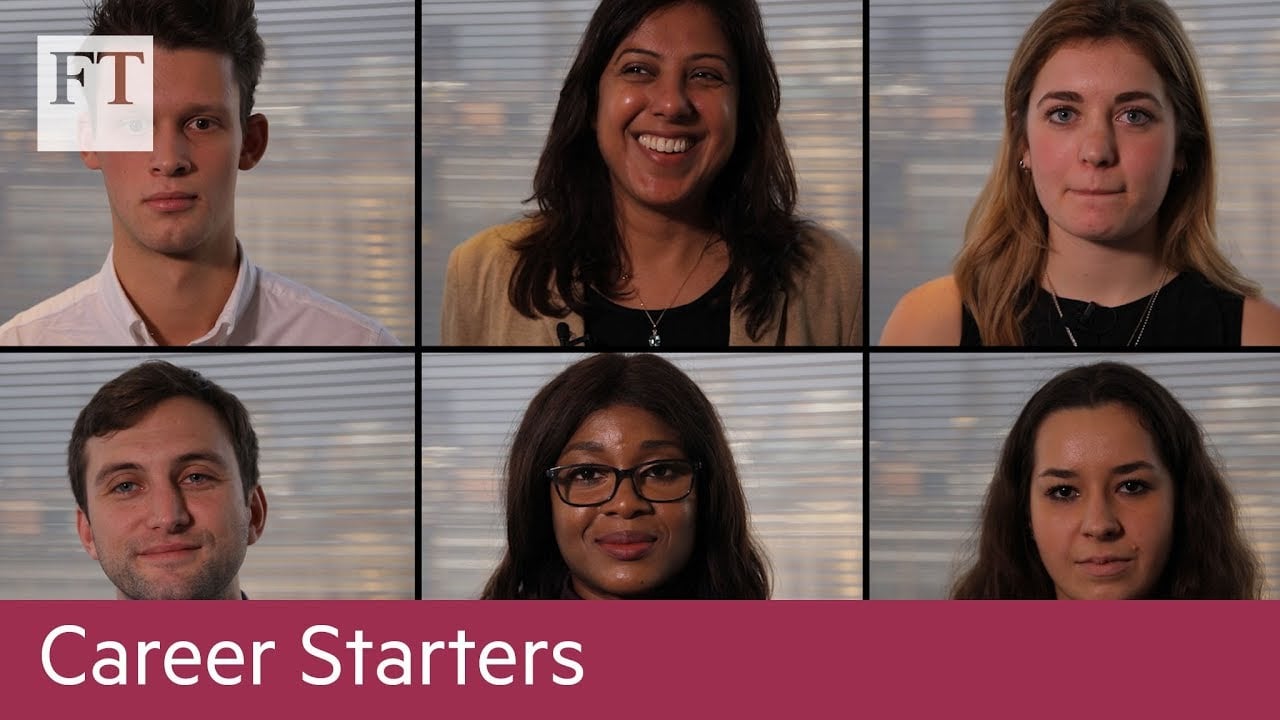
Video
Employers may initially spend a very short time scanning your CV (perhaps as little as a few seconds), so it must be able to convey the most relevant points about you in a clear, accessible way. In this video, with Julia Sadler, Careers Adviser at Careers, University of Oxford, shares tips for creating a winning CV.