
Meeting Minds 2026 recordings
Meeting Minds 2026 took place for the first time in the new Life and Mind Building. Catch up on all our recorded events from this year.
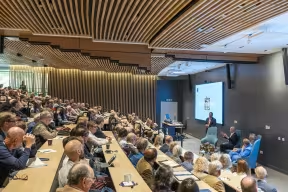

Meeting Minds session recordings - September 2026
..
William Hague, Chancellor, University of Oxford
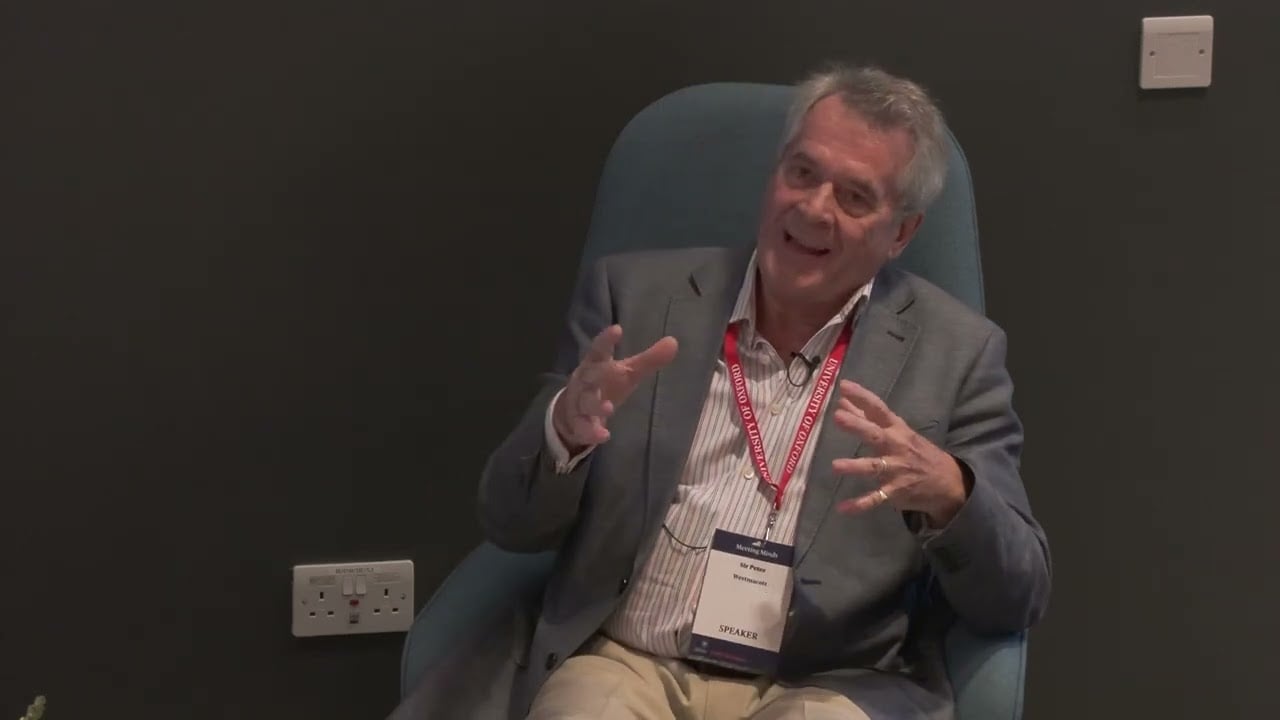
Peter Westmacott, Former UK Ambassador to the United States
Catherine Royle, Principal, Somerville College
Adam Smith, Director, Rothermere American Institute
What does effective foreign policy look like in an increasingly turbulent world? Lord Hague, Chancellor of the University of Oxford, joins an expert panel for a timely conversation exploring the changing landscape of international relations, diplomacy and global security. Drawing on perspectives from diplomacy, government and academia, they consider how nations navigate shifting alliances, geopolitical tensions and an increasingly complex international landscape.
This video is hosted on YouTube. Please enable video cookies to play it.
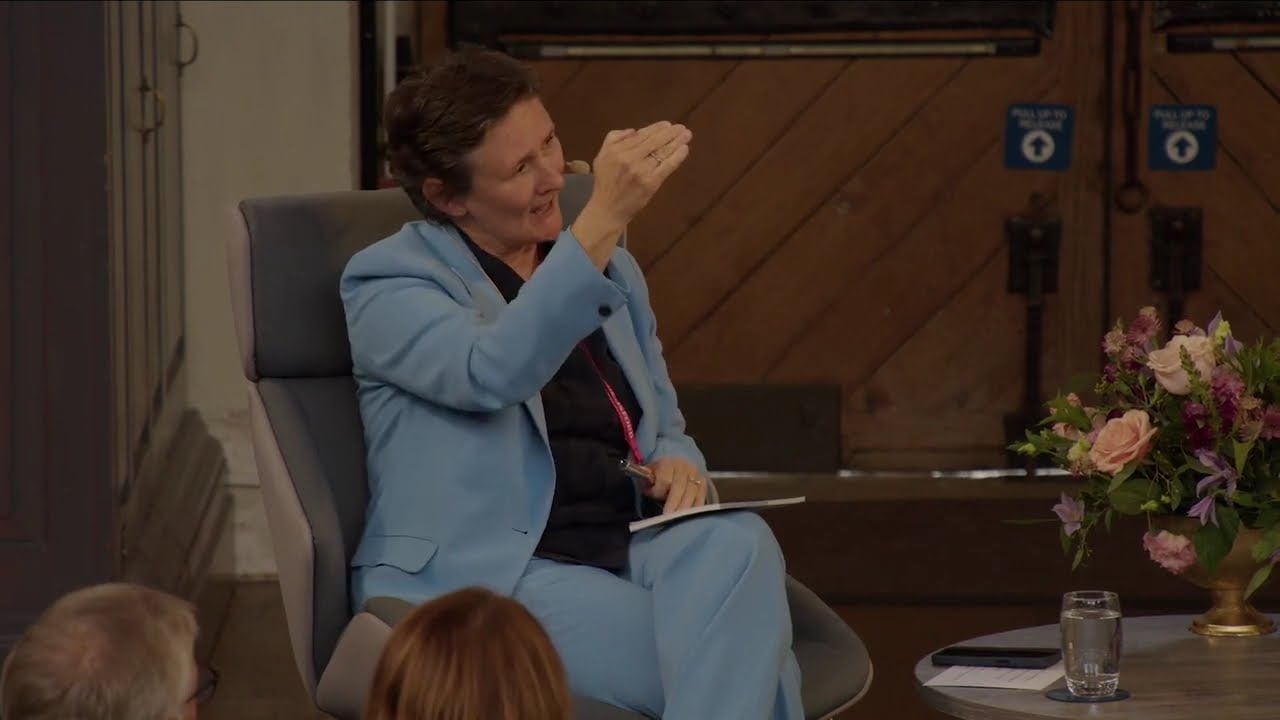
Irene Tracey, Vice-Chancellor, University of Oxford
Steph Cook, Olympic champion and doctor
How does participation in sport shape success beyond the playing field? Watch the Vice-Chancellor, Professor Irene Tracey, in conversation with Olympic champion and doctor Dr Steph Cook MBE. Drawing on Steph’s journey from Oxford student and modern pentathlete to Olympic gold medallist and a successful career in medicine, they explore how the teamwork, resilience, leadership and determination developed through sport can influence careers, personal development and success long after graduation.
This video is hosted on YouTube. Please enable video cookies to play it.
Laurence Hunt, Professor of Cognitive Neuroscience
Functional neuroimaging has transformed our ability to study the living human brain. This talk by Laurence Hunt, Professor of Cognitive Neuroscience, introduces Oxford’s world-leading Centre for Integrative Neuroimaging, showing how brain measurements across species and scales can be linked to cognitive science, artificial intelligence and clinical studies of neurological and psychiatric conditions.
This video is hosted on YouTube. Please enable video cookies to play it.
Laura Tunbridge, Heather Professor of Music
As the 200th anniversary of his death approaches in 2027, Ludwig van Beethoven remains ubiquitous: his music still dominates concerts, films and advertising, while his image continues to serve as shorthand for struggling male genius. Beethoven would not have come to prominence, however, without establishing a network of friends and colleagues with whom he could collaborate, and by writing marketable as well as remarkable music. This lecture, given by Laura Tunbridge, Heather Professor of Music, sets Beethoven in the everyday, exploring the musical relationships that enabled him to solidify his reputation.
This video is hosted on YouTube. Please enable video cookies to play it.
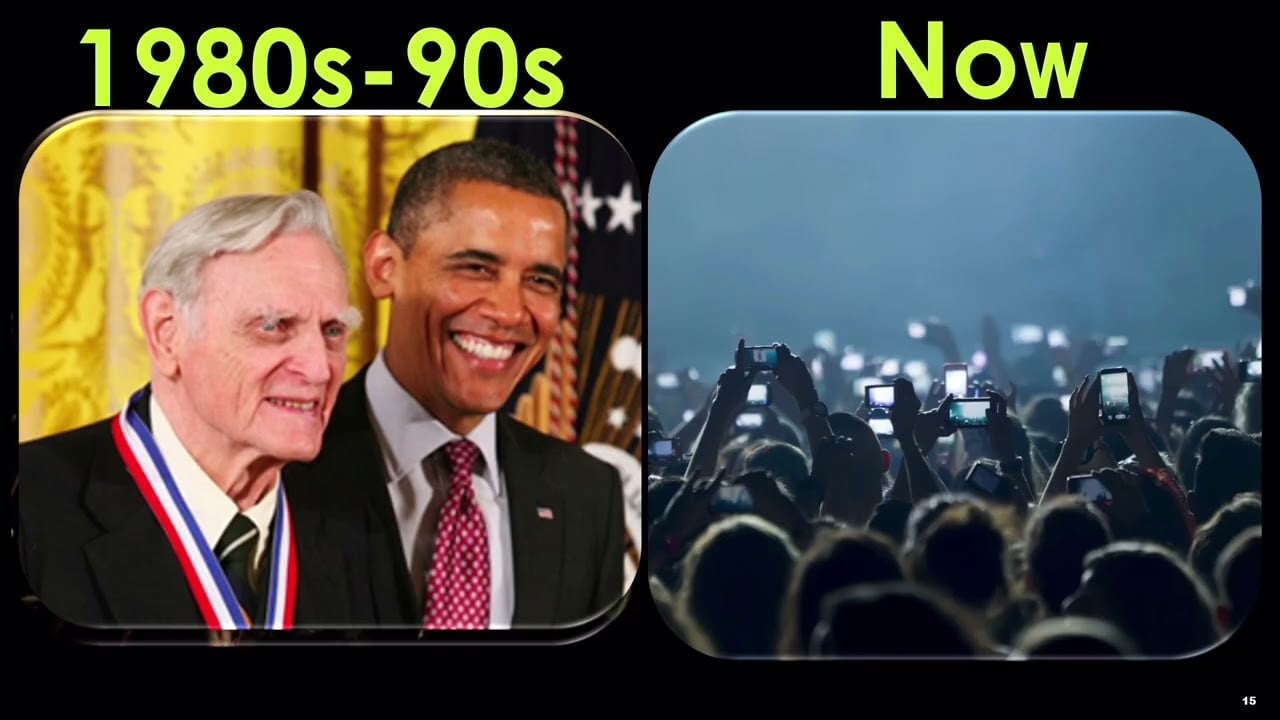
Saiful Islam, Professor of Materials Modelling
The supply of low-carbon energy is one of the greatest challenges of our time. Major breakthroughs in clean energy technologies require advances in new materials and underpinning science. With the aid of 3D glasses, this talk by Saiful Islam, Professor of Materials Modelling, describes the materials science of lithium batteries for electric vehicles and new materials for next-generation solar cells, as well as highlighting the use of computer modelling to gain atomic-scale insights.
This video is hosted on YouTube. Please enable video cookies to play it.
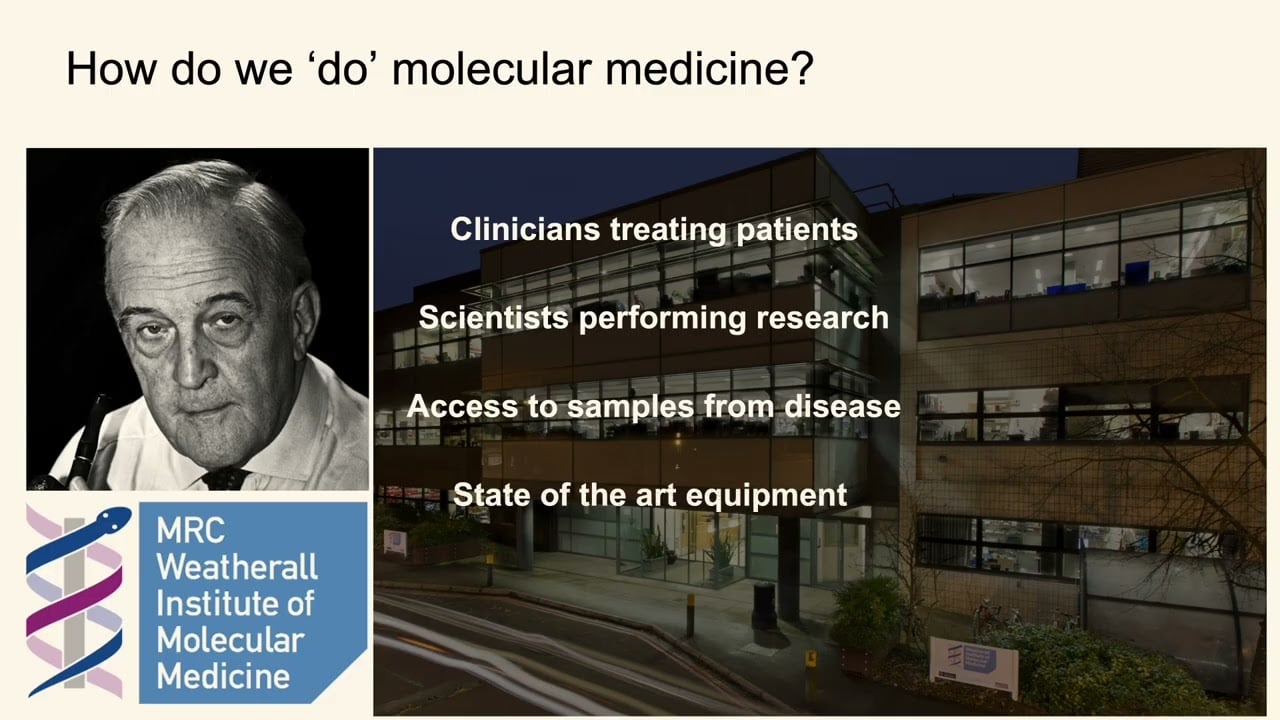
Bethan Psaila, Professor of Haematology
Hal Drakesmith, Professor of Iron Biology
Bethan Psaila, Professor of Haematology, and Hal Drakesmith, Professor of Iron Biology, work at the cutting edge of biomedicine, discovering the molecular and genetic basis of disease to generate transformational treatments. Building on decades of breakthroughs, including a Nobel Prize, they focus on blood disorders and harness immunity to fight infections, prevent inflammation and kill cancer – improving health across our lifespans.
This video is hosted on YouTube. Please enable video cookies to play it.
Nigel Shadbolt, Professorial Research Fellow in Computer Science
Artificial intelligence is reshaping research, education, corporate and public life. In this talk, Professor Sir Nigel Shadbolt discusses Oxford's role in the development of AI, the opportunities it presents and the challenges society must address as these technologies become increasingly embedded in our lives. Sir Nigel has recently been appointed Chair of AI@Oxford Research – the purpose of which is to help coordinate the extraordinary and wide range of AI-related research across the University. He describes the groundbreaking research underway at Oxford and its potential impact on our economies, society and our understanding of ourselves.
This video is hosted on YouTube. Please enable video cookies to play it.
Henry Dimbleby, Honorary Fellow, St John's College
John Ingram, ECI Food Systems Programme Lead
Peter Scarborough, Professor of Population Health
Food security is underpinned by food systems. This discussion explores the many benefits and challenges related to how our food systems operate in the context of how we can feed a growing population while protecting both people and planet.
This video is hosted on YouTube. Please enable video cookies to play it.
Petra Schleiter, Director, Centre for Democratic Resilience and Professor of Comparative Politics
As democracies face polarisation and erosion, businesses are increasingly drawn into political and societal debates. What is the role of business in a democracy? Should businesses defend democratic values and when do they do so? This talk by Petra Schleiter, Director of the Centre for Democratic Resilience and Professor of Comparative Politics, explores the opportunities, risks and responsibilities of corporate citizenship in turbulent democratic times.
This video is hosted on YouTube. Please enable video cookies to play it.
Robin Choudhury, Professor of Cardiovascular Medicine
This talk by Robin Choudhury, Professor of Cardiovascular Medicine, describes, in accessible form, our recent research showing that elevated blood sugar levels can induce lasting changes in bone marrow stem cells, leading to increased inflammation and impaired tissue repair that is relevant to cardiovascular disease and ageing. It will discuss the concept of 'trained immunity', whereby cumulative lifetime exposures – such as diet, infection and disordered glucose metabolism – are biologically ‘imprinted’ within the innate immune system, contributing to persistent dysfunction. The lecture explains how these effects are mediated through epigenetic reprogramming, producing durable alterations in cellular behaviour with implications for long-term health and longevity. It will examine how cross-discipline approaches to stem cell function are helping to uncover these mechanisms, highlighting how metabolic stress and immune memory intersect to influence disease progression and outcomes. Importantly, these insights also open new opportunities to develop innovative strategies for prevention and treatment.
This video is hosted on YouTube. Please enable video cookies to play it.
Emma Smith, Professor of Shakespeare Studies
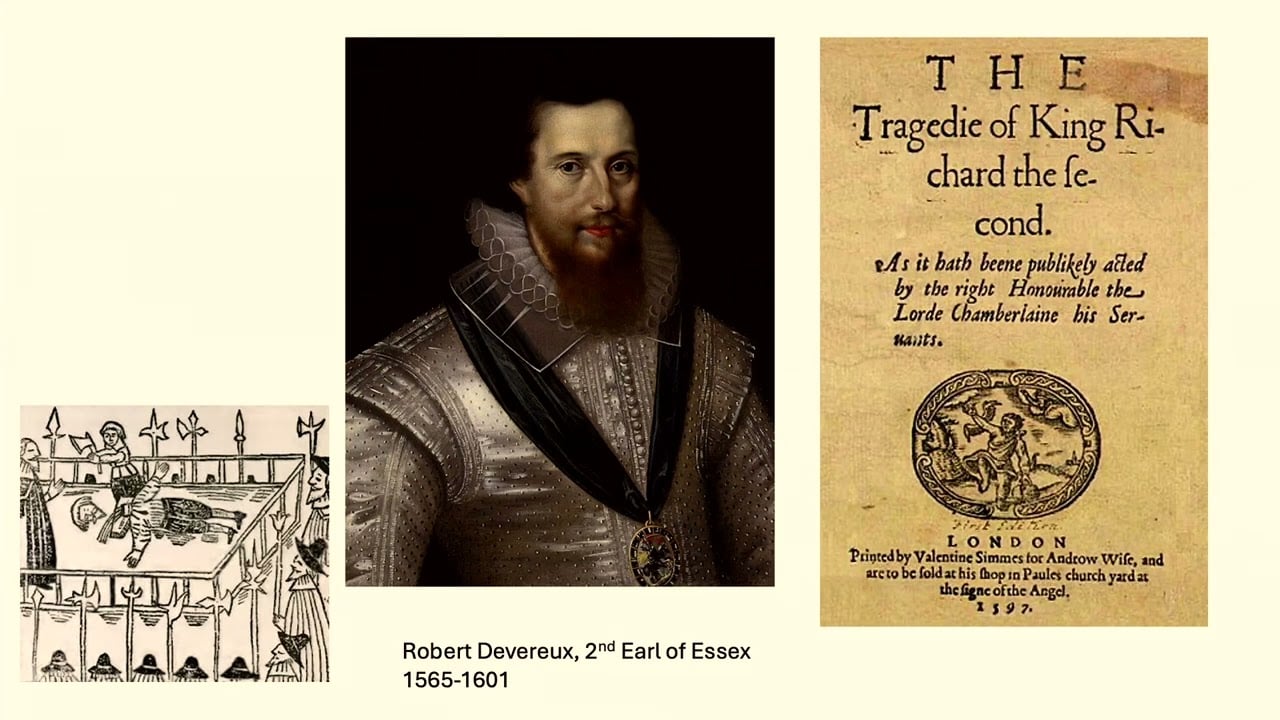
What’s the Shakespeare play for our troubled times? This lecture, given by Emma Smith, Professor of Shakespeare Studies, explores the ways we have always wanted Shakespeare to speak to our present moment, and suggests a newly relevant play for 2026. You’ll have to watch to see if you agree!
This video is hosted on YouTube. Please enable video cookies to play it.
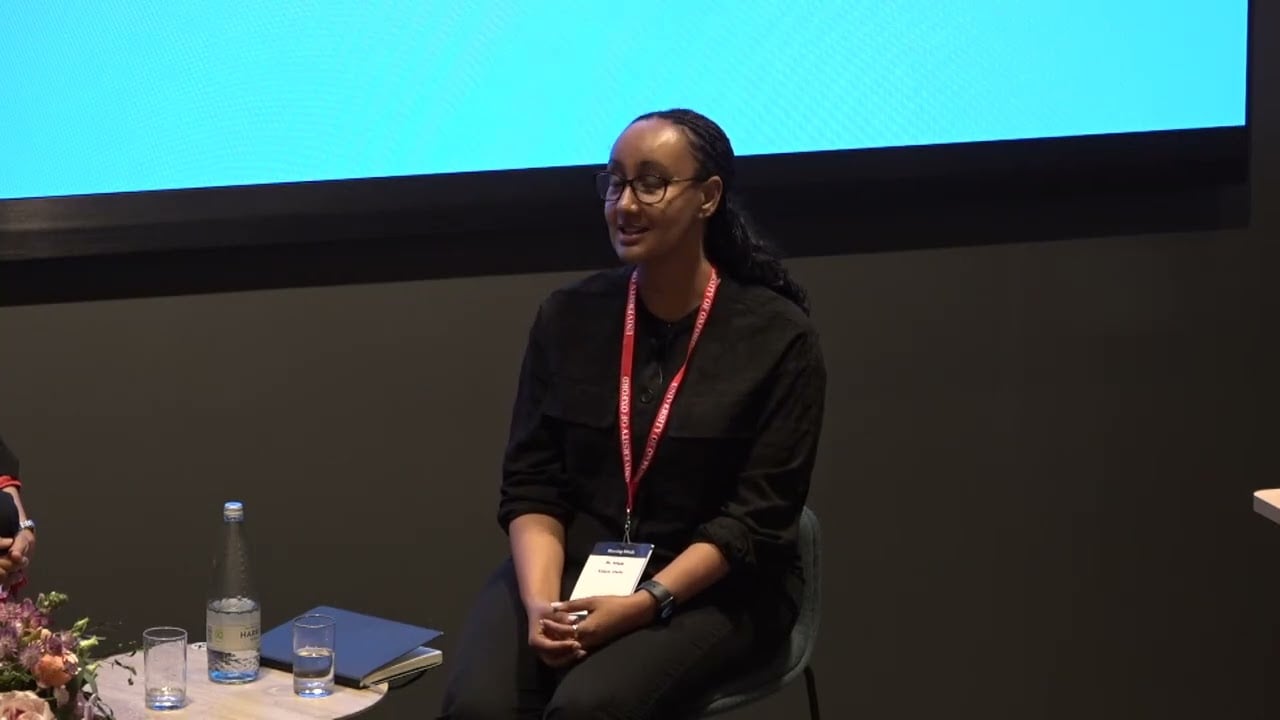
Myles Allen, Professor of Geosystem Science
Selam Kidane Abebe, Senior Research Fellow in Net Zero Law
Sara Khalid, Associate Professor of Health Informatics and Biomedical Data Science
Climate change is one of the defining challenges of our time, but what does the science really tell us and how should it inform policy? Bringing together expertise from across the University, this discussion explores how scientific evidence shapes global climate policy, the challenges of turning knowledge into action and the role Oxford research can play in building a more resilient future.
This video is hosted on YouTube. Please enable video cookies to play it.
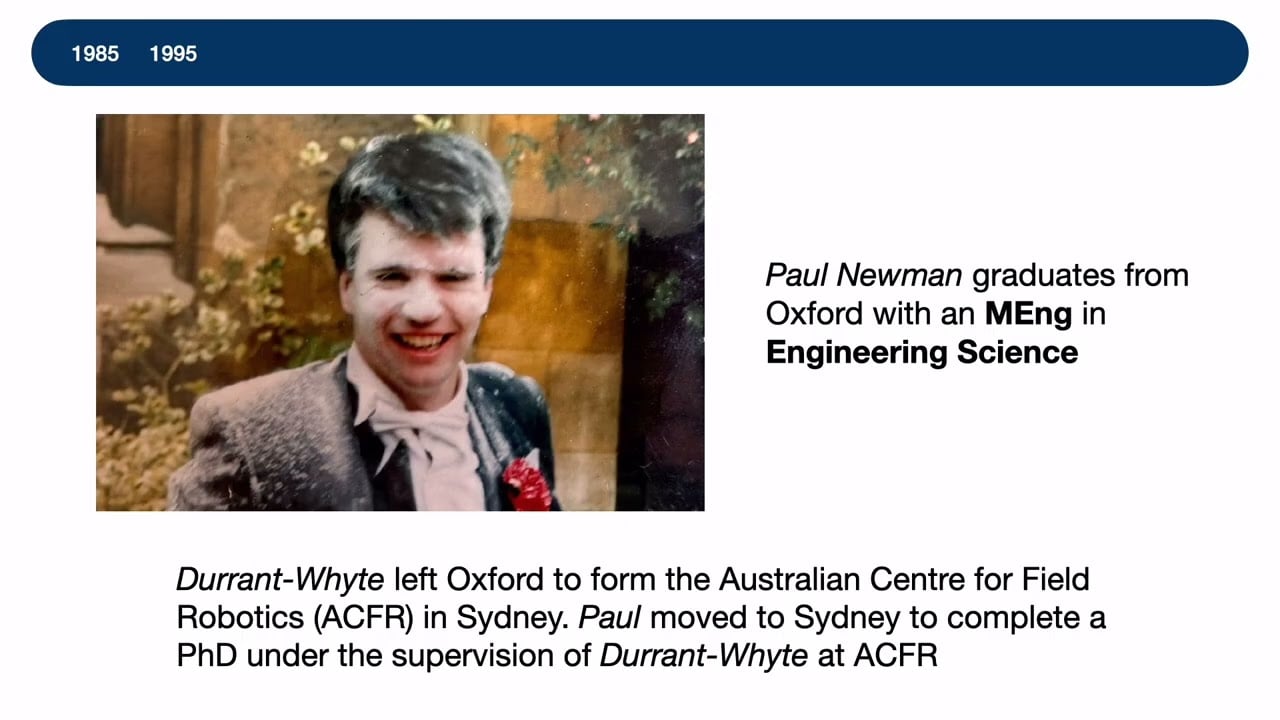
Nick Hawes, Professor of AI and Robotics
2026 sees the tenth anniversary of the founding of the Oxford Robotics Institute. Hear from Nick Hawes, Professor of AI and Robotics, and the researchers behind the work about the institute's journey from its roots pioneering autonomous vehicles to its current position as a world leader in a breadth of robotics activity, from the design of biologically inspired robotic limbs to the application of AI to understand a robot's world and the actions it takes within it. The journey takes in everything from automating a car for the Shell Eco Marathon, through deploying autonomous quadrupeds in active nuclear sites, to using autonomous underwater vehicles to survey Loch Ness.
This video is hosted on YouTube. Please enable video cookies to play it.
This video is hosted on YouTube. Please enable video cookies to play it.
This video is hosted on YouTube. Please enable video cookies to play it.