The Vice-Chancellor’s Colloquium
Oxford’s interdisciplinary programme for curious students interested in tackling the biggest challenges of our time.

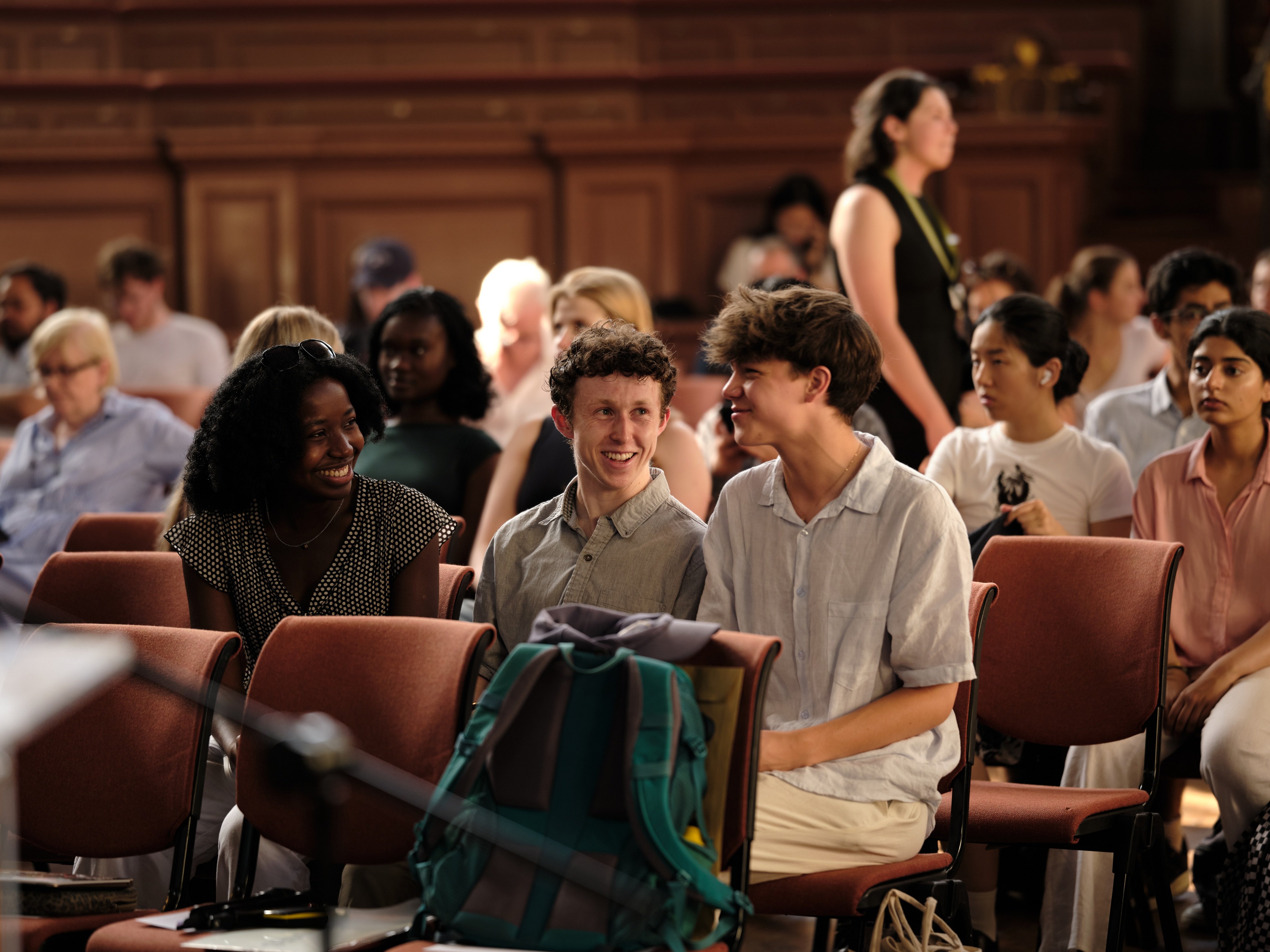
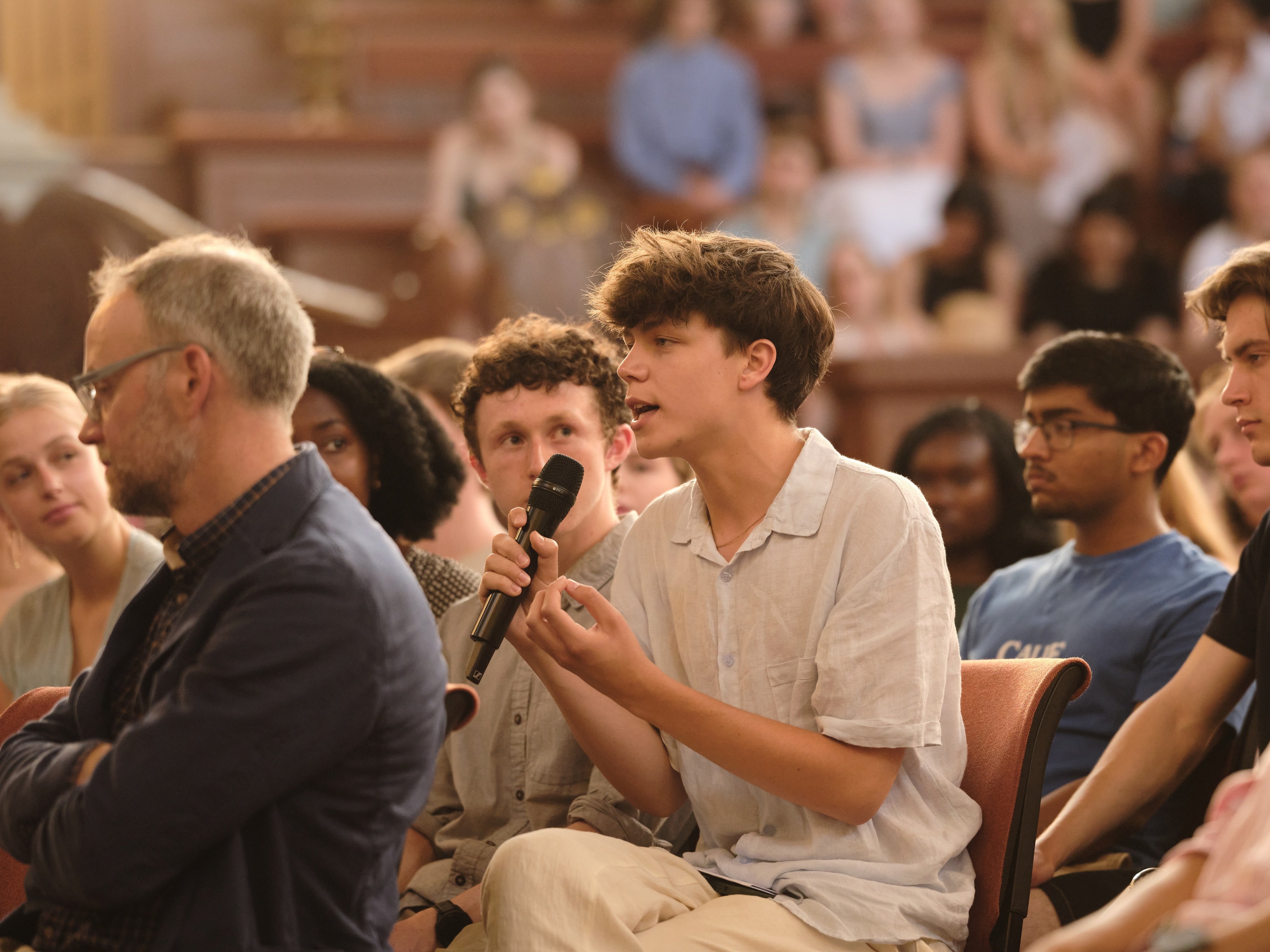
The Vice-Chancellor’s Colloquium is a unique extracurricular programme for Oxford students. Through weekly sessions in Hilary term you will:
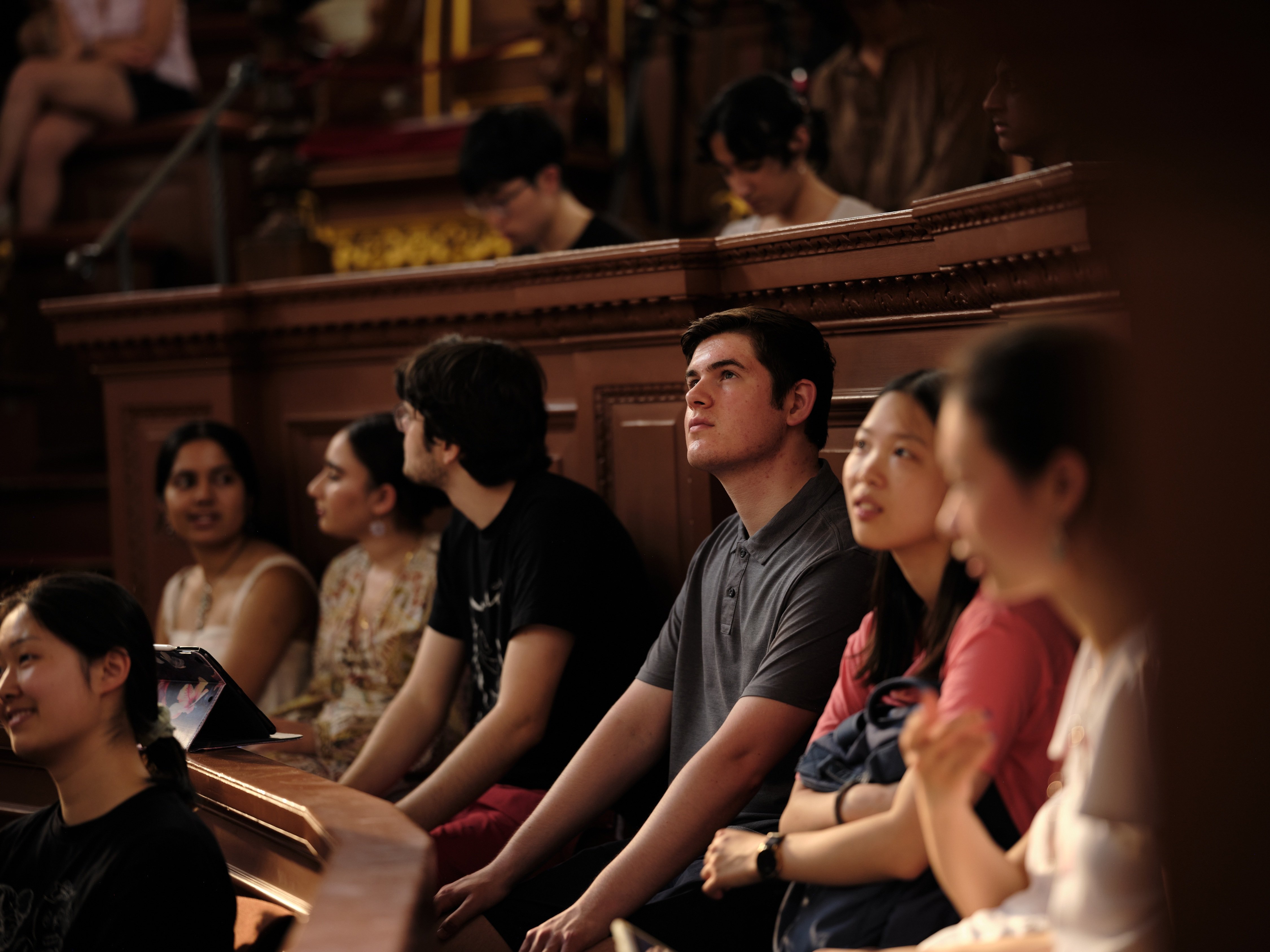
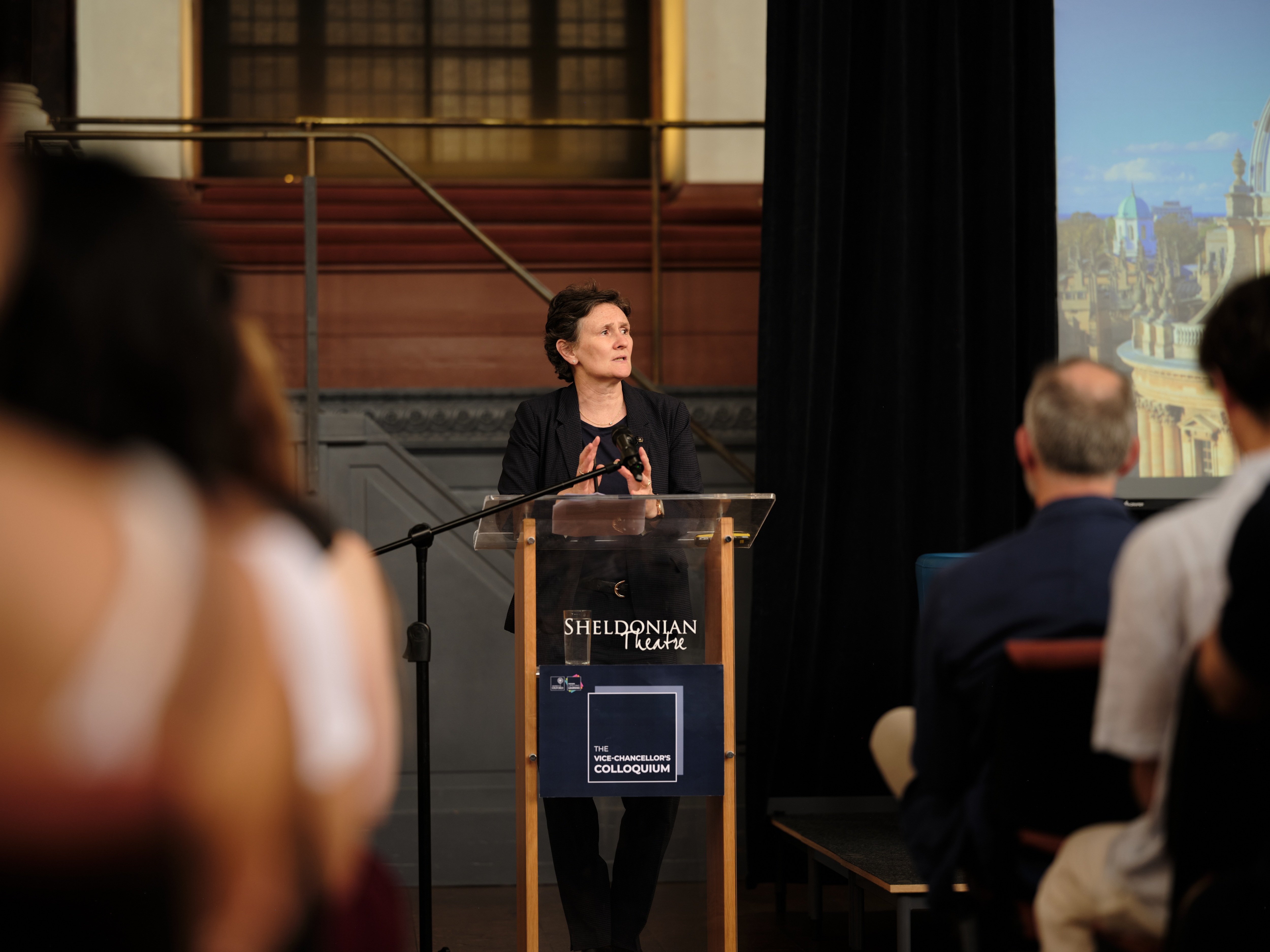
- Learn from Oxford’s leading academics
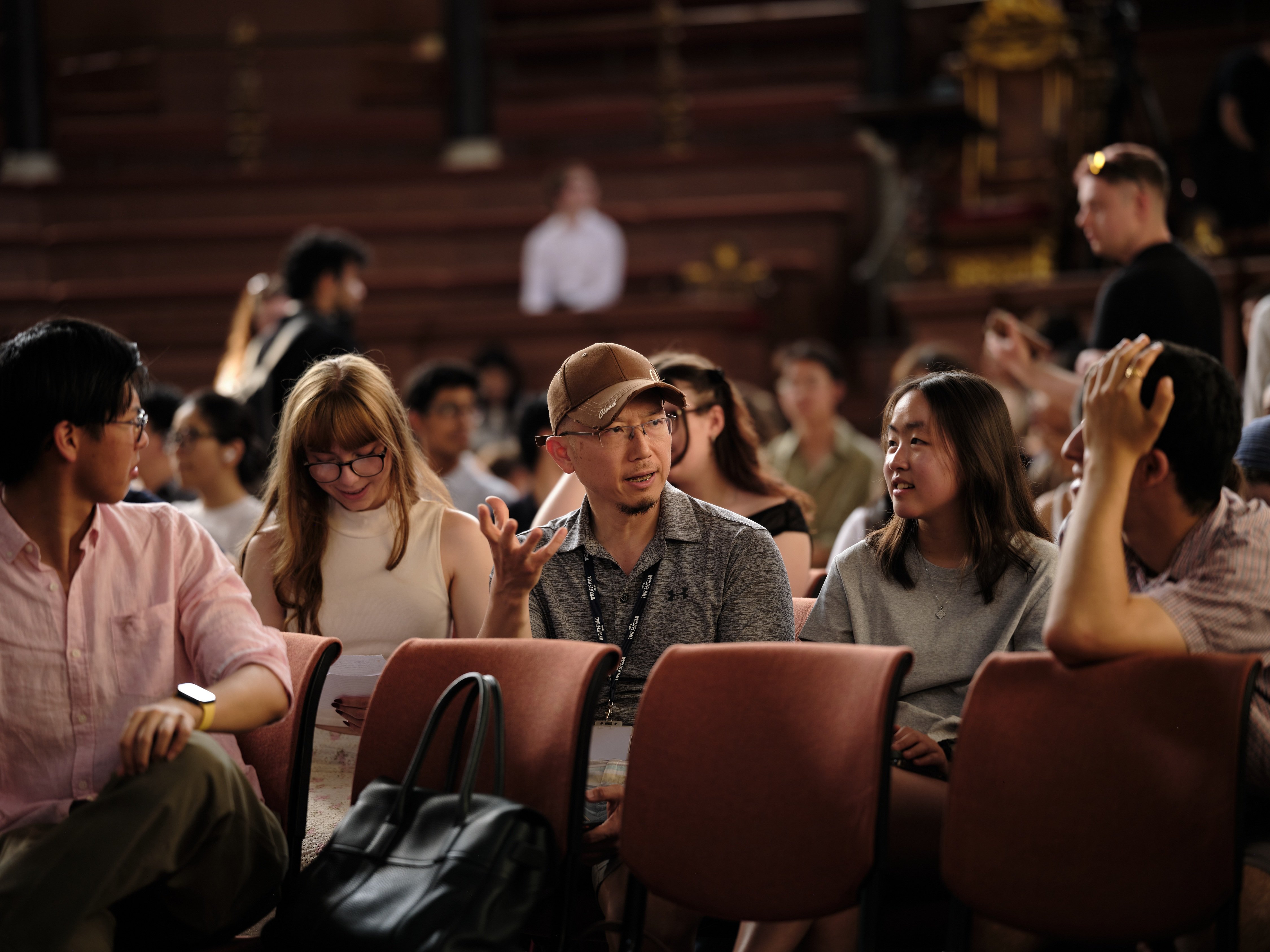
- Participate in discussions and hands-on activities
- Work with other students on a group project
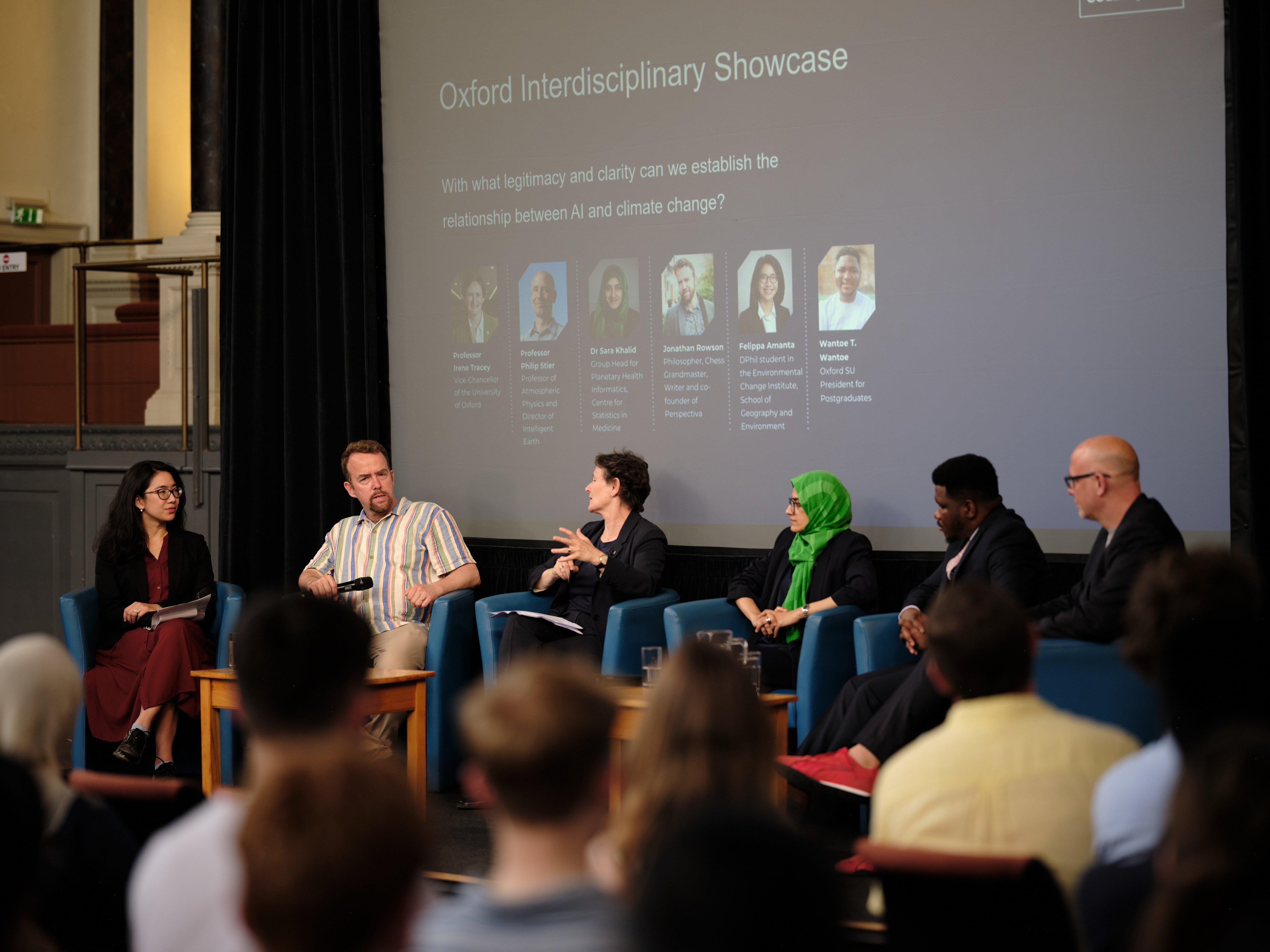
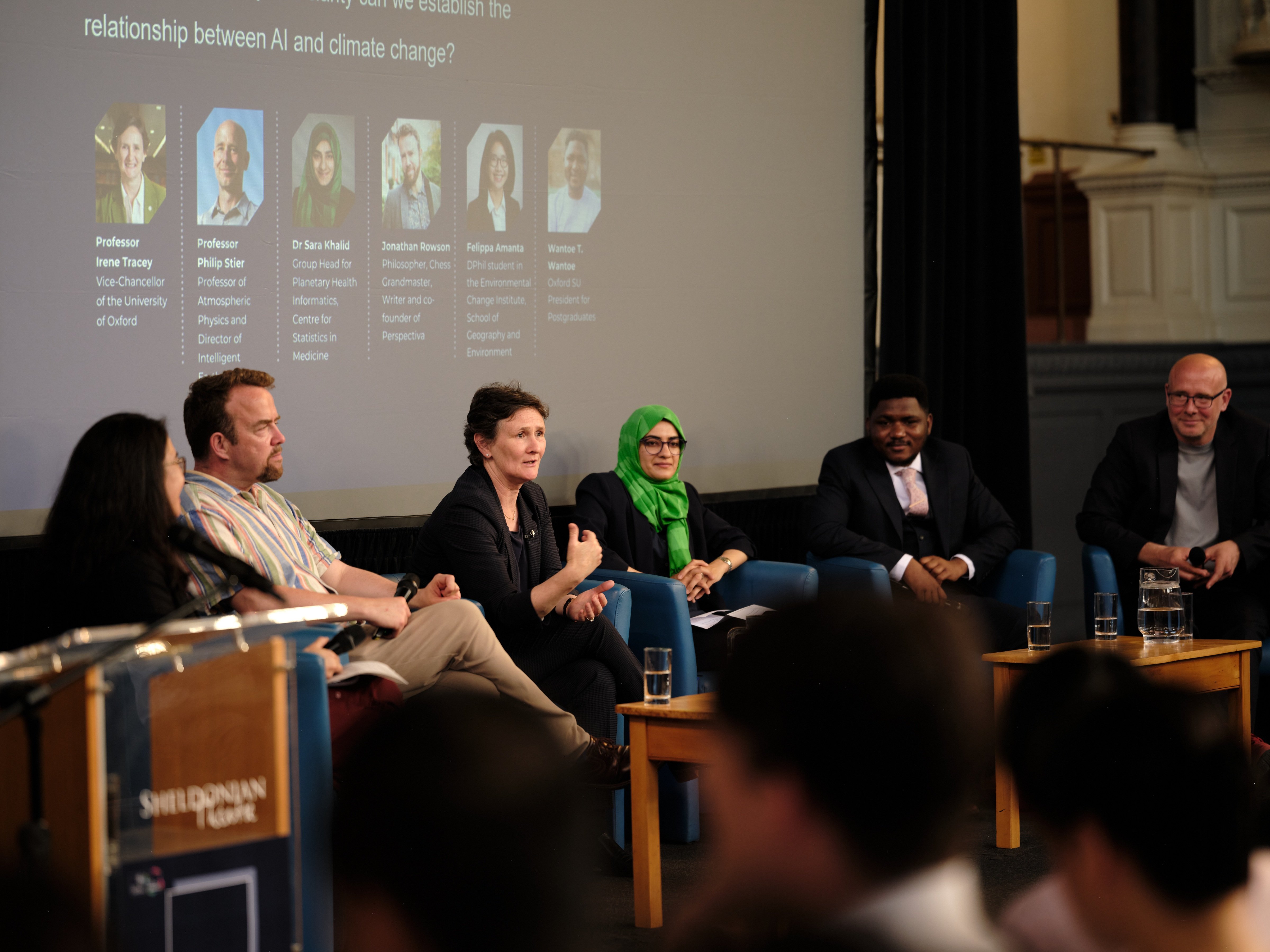
Keynote sessions feature academics from different departments/faculties responding to the same question, revealing how disciplines generate and share knowledge.
Through college-based sessions and group projects, you will develop skills related to critical thinking, data literacy, communication and collaborative problem solving.
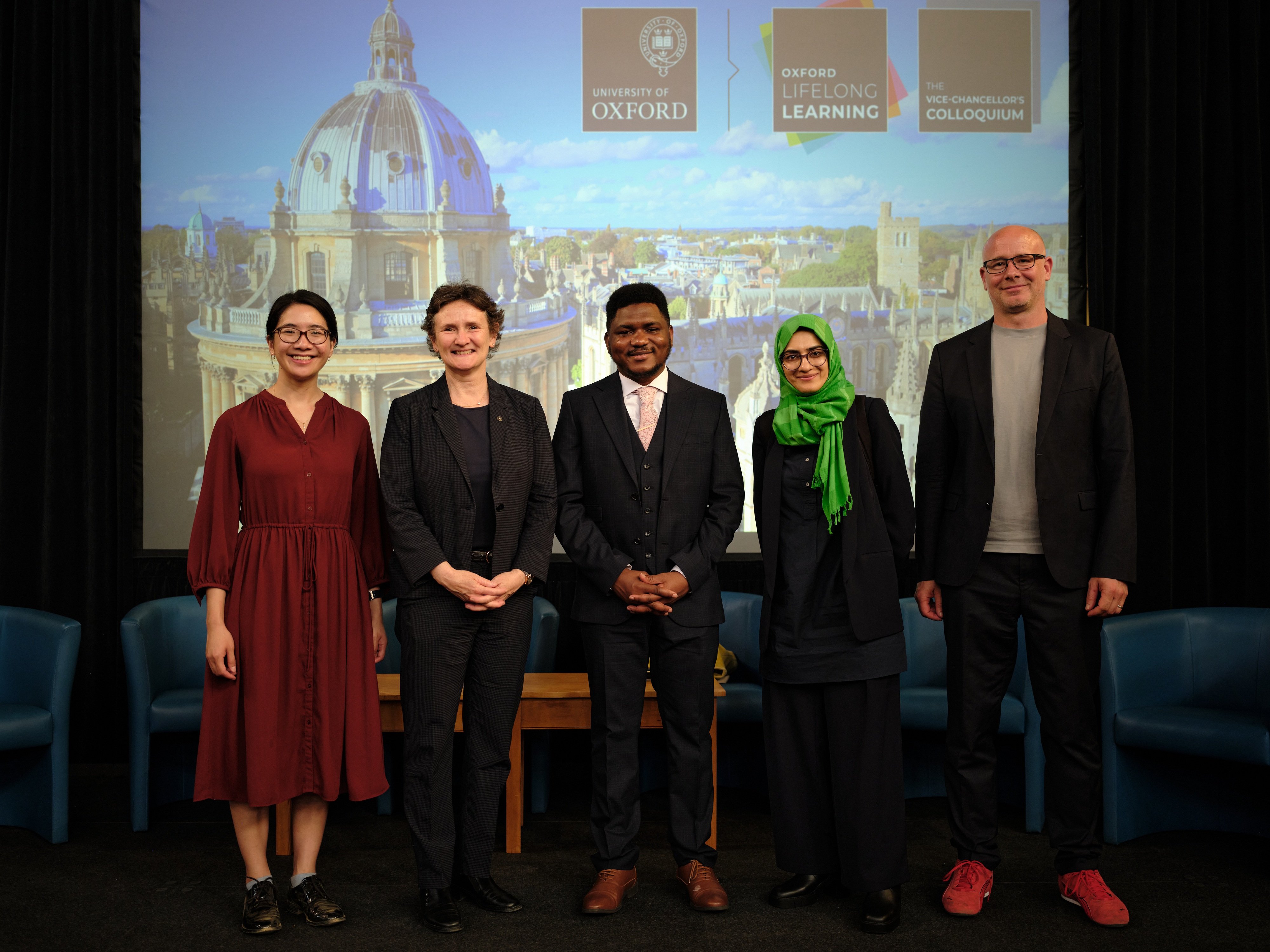
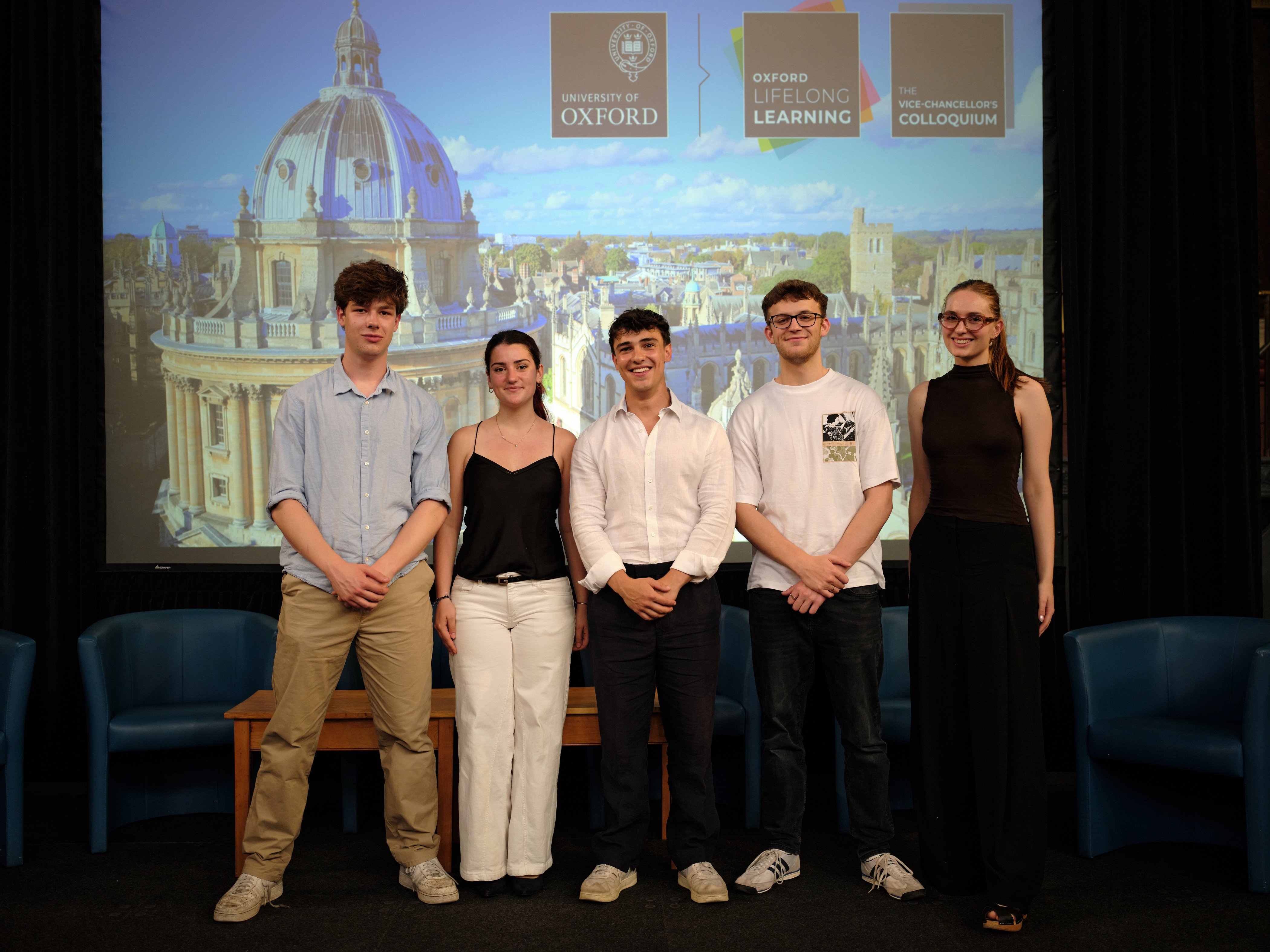
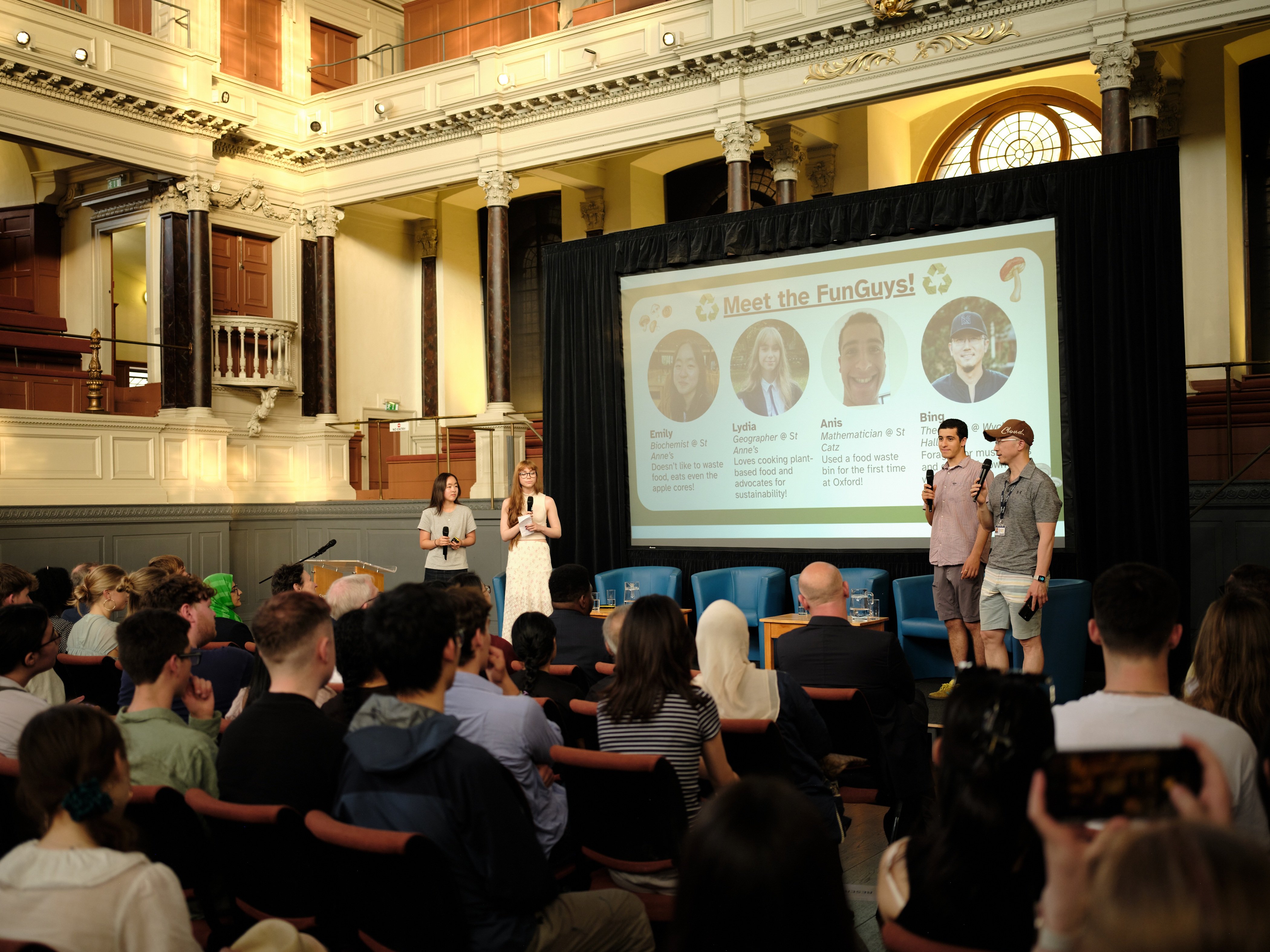
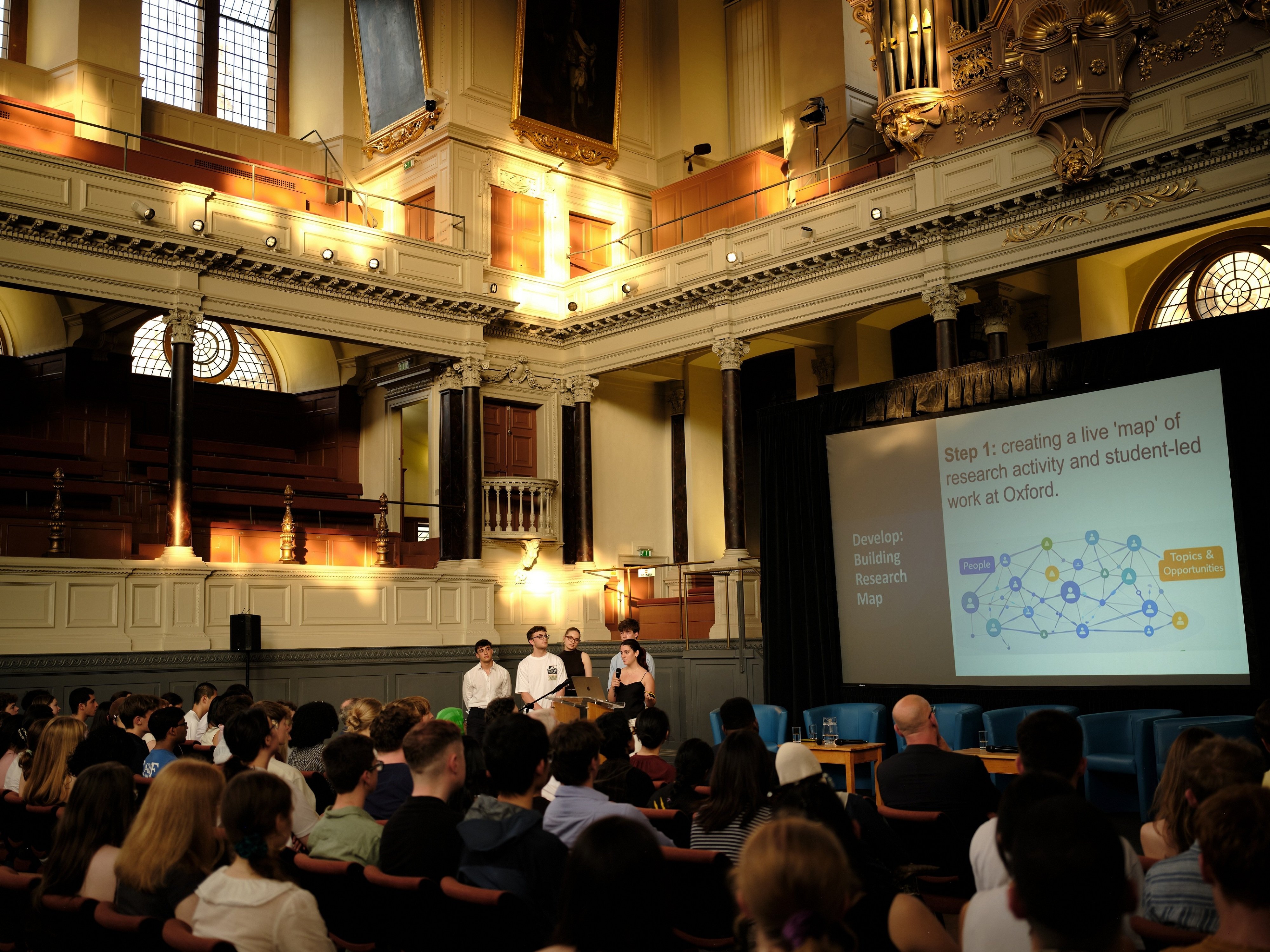
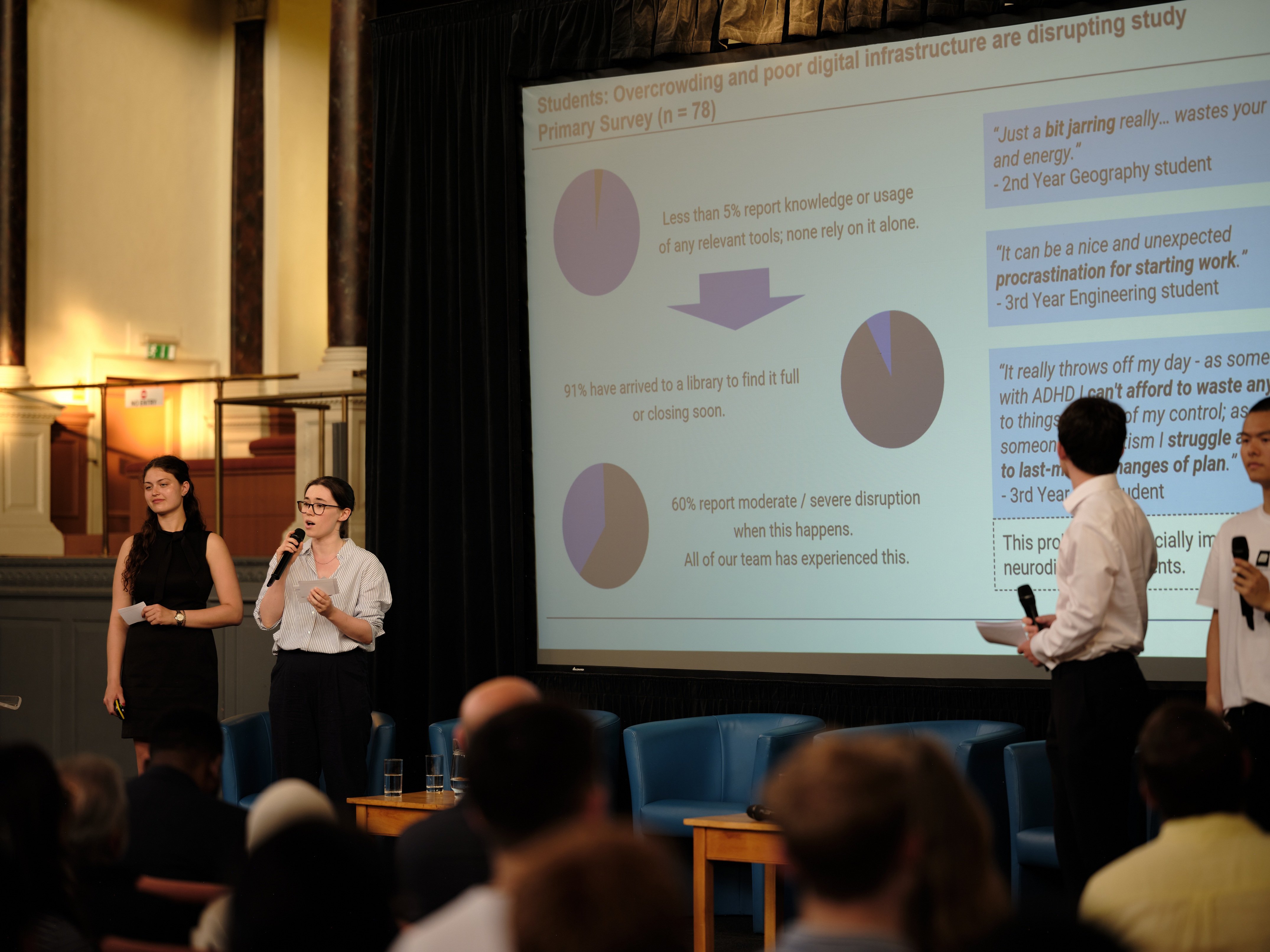
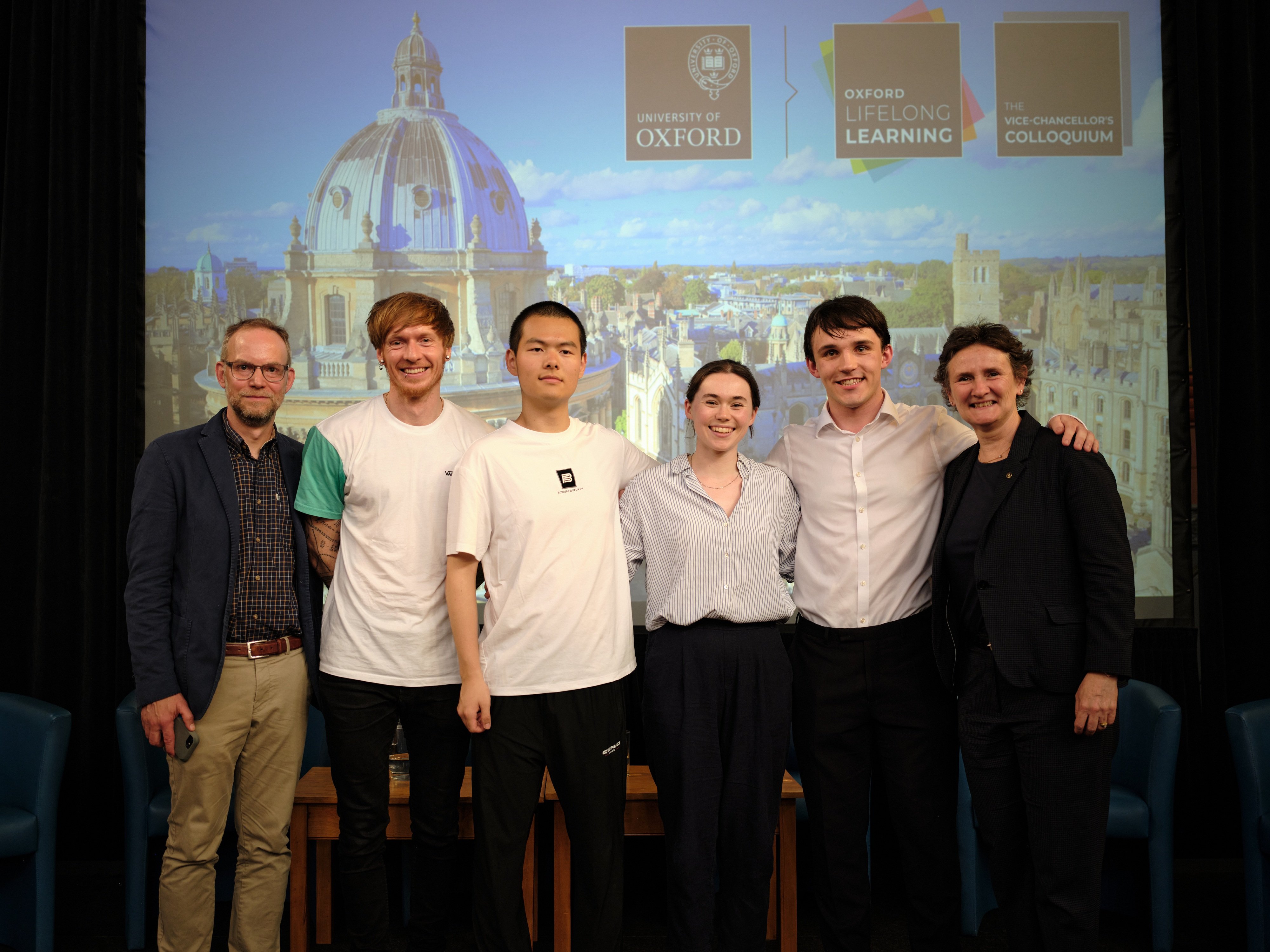
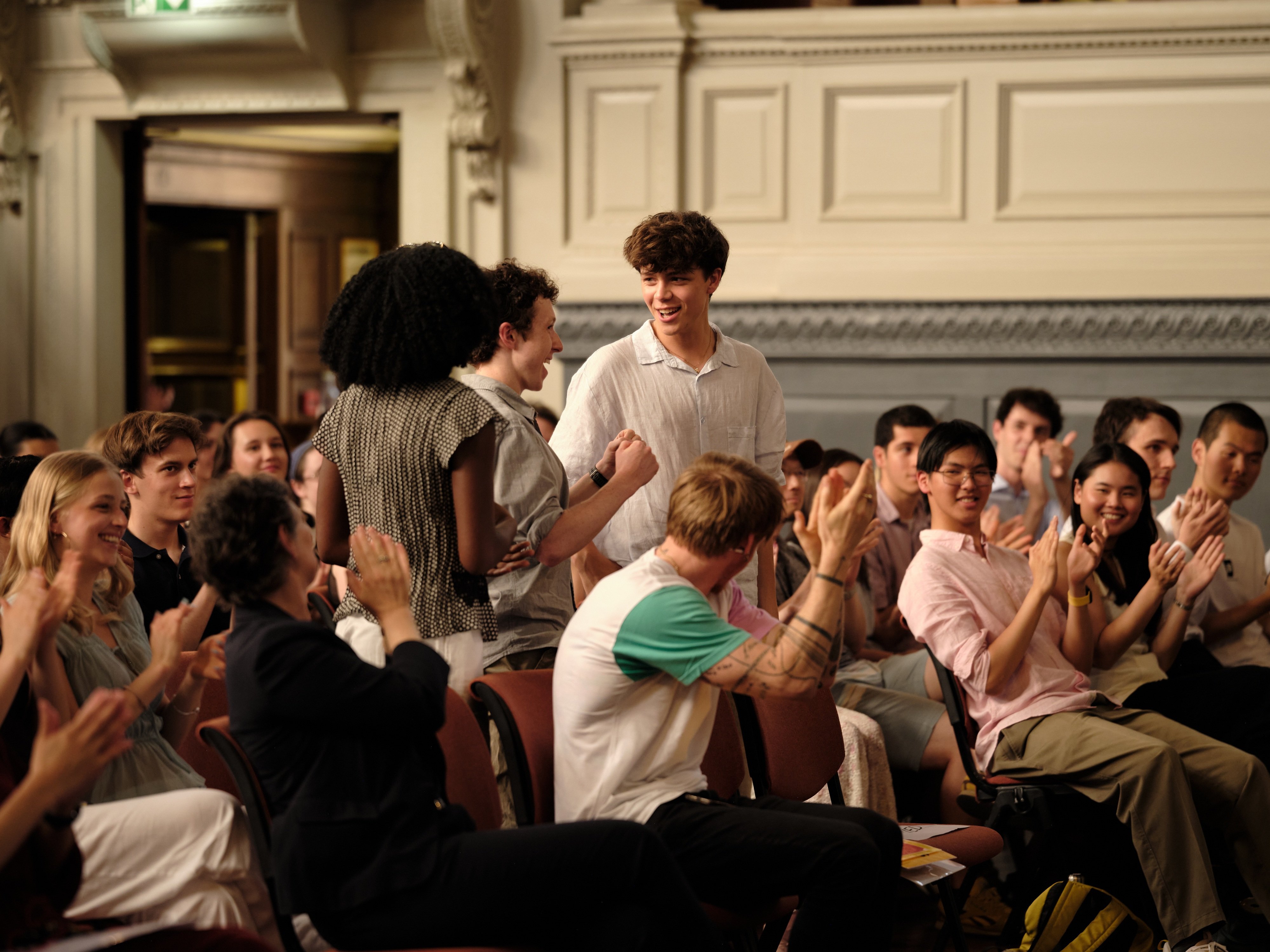
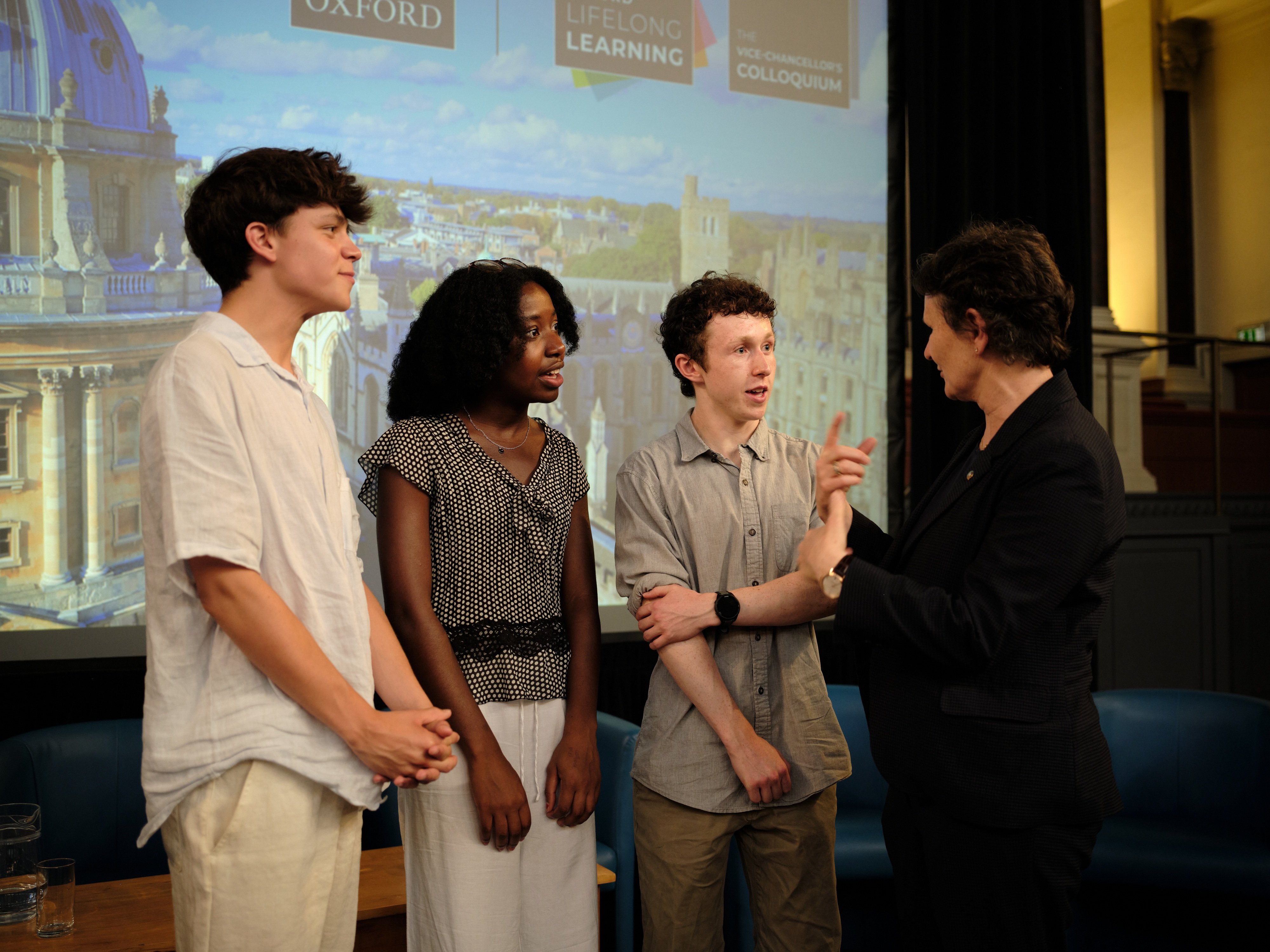
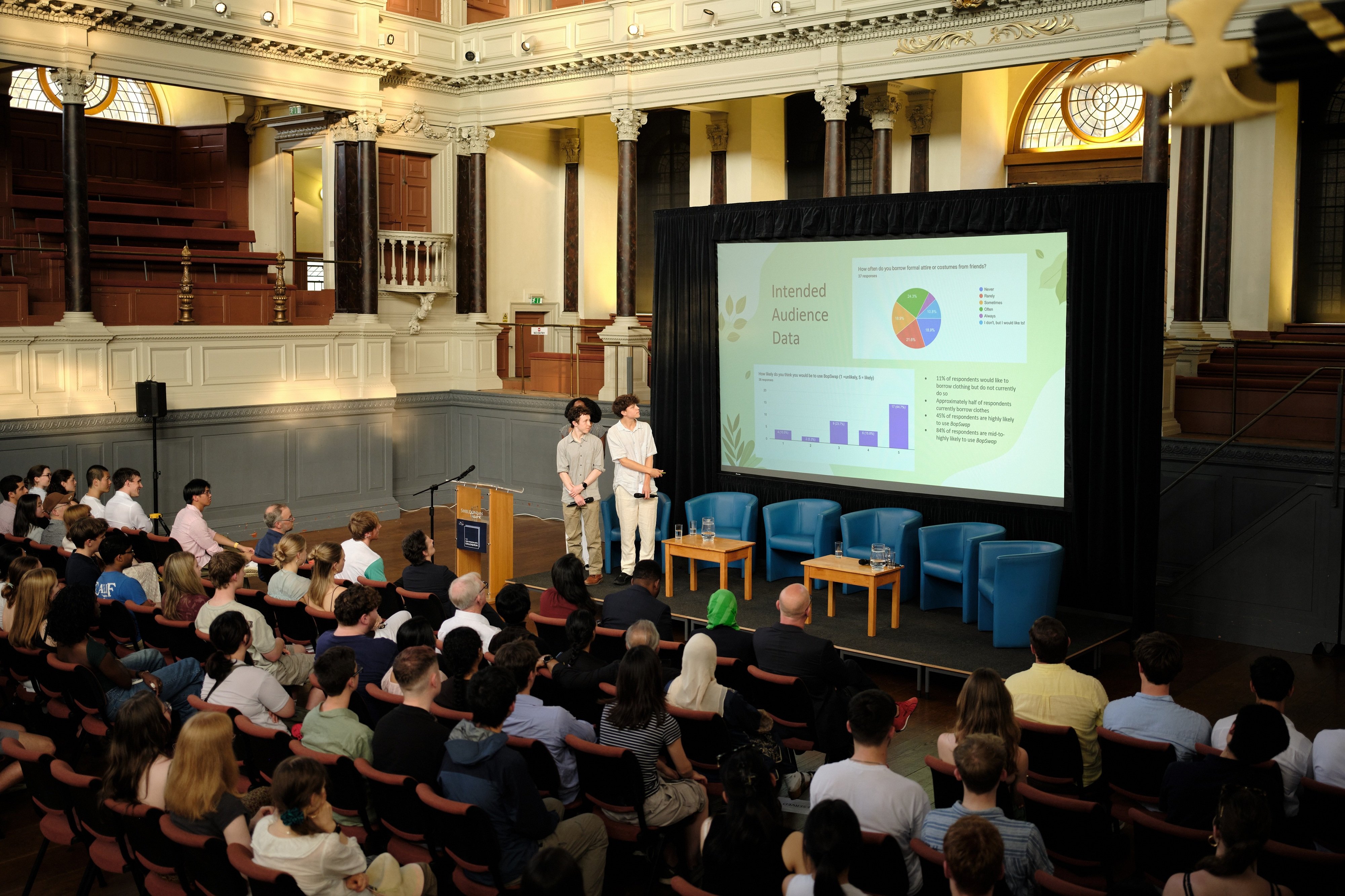
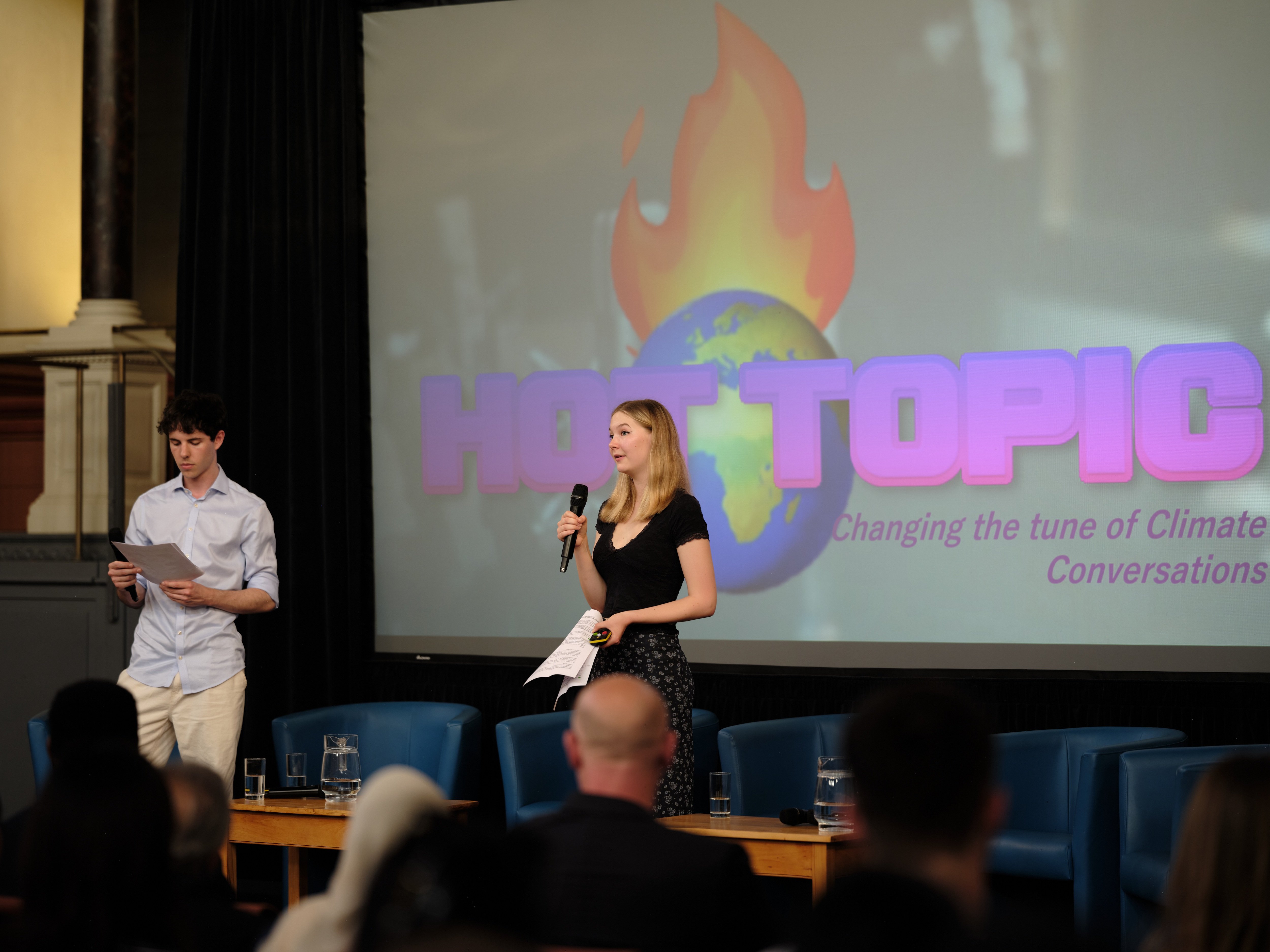
An event in early Trinity term brings together both cohorts for presentations by the group project finalists and a celebration with the Vice-Chancellor.
This programme is for anyone looking build their CV, get to know students from different courses and colleges, and stretch their interdisciplinary comfort zone.
In 2026-27, the Vice-Chancellor’s Colloquium will be offered on two themes: artificial intelligence and climate change. Starting this year, both undergraduate and postgraduate students are invited to participate in the programme.
Registration for Hilary term 2027 opens in week 4 of Michaelmas term.
Sign up to our mailing list to be notified when registration opens.
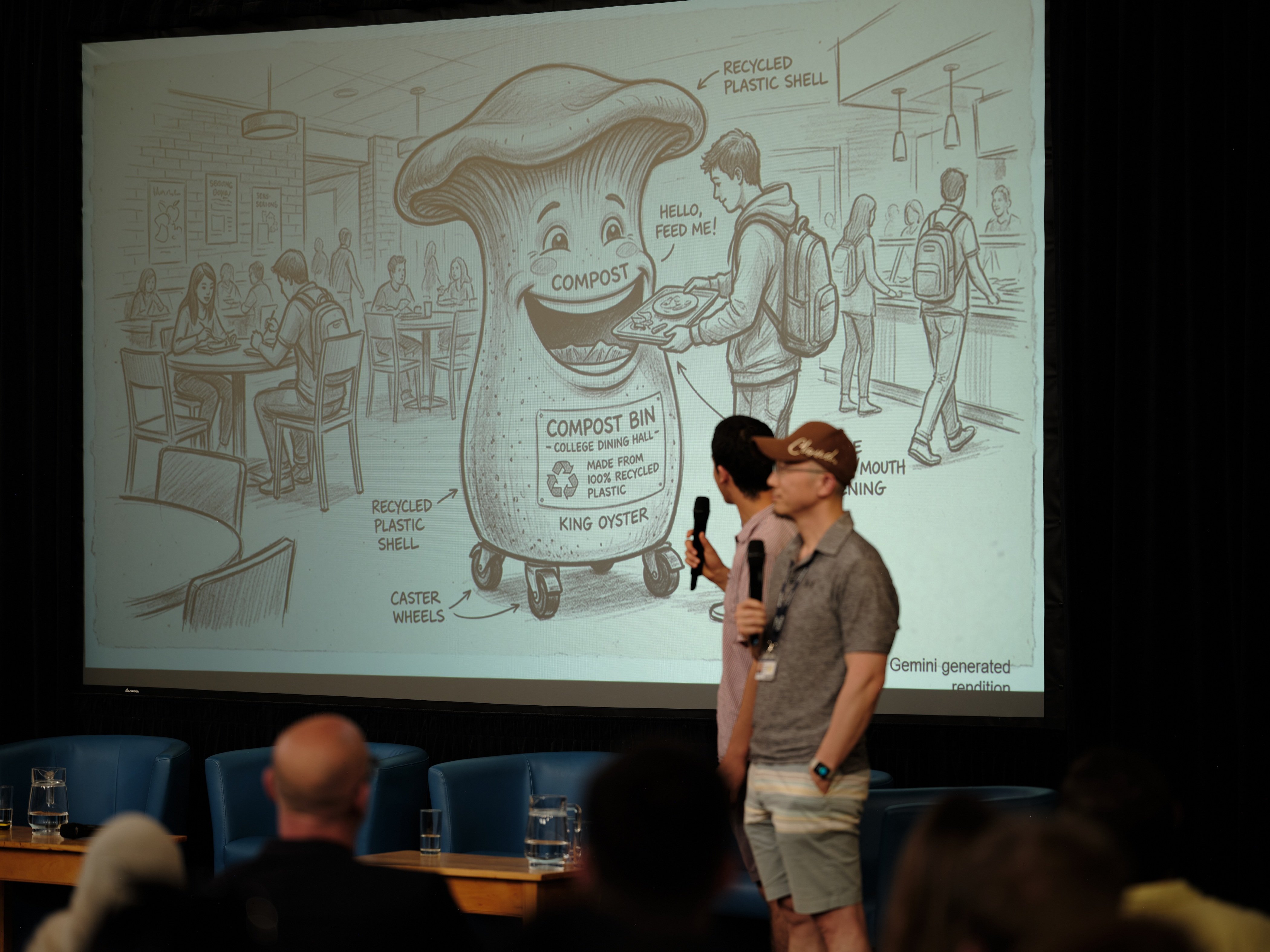
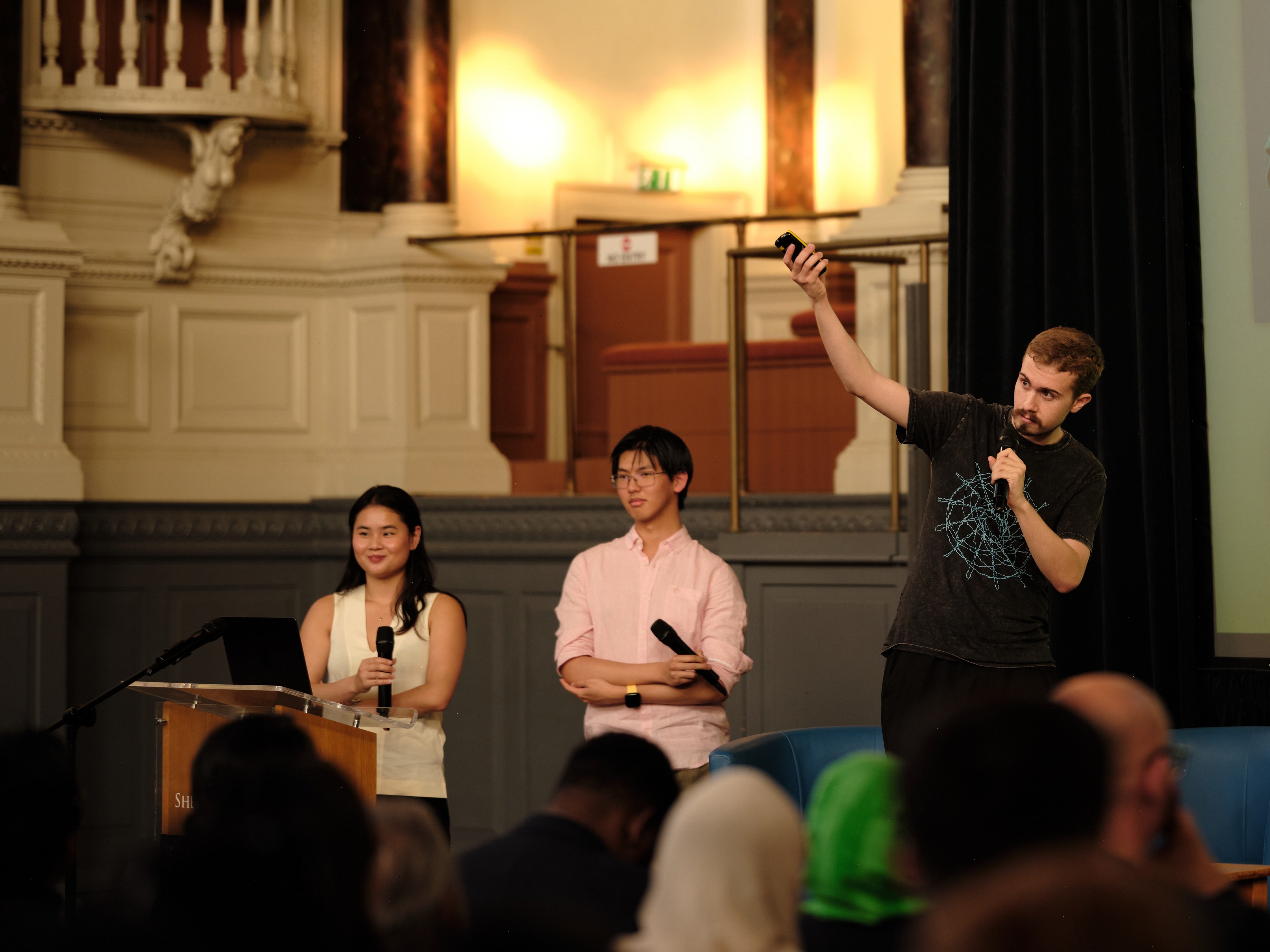
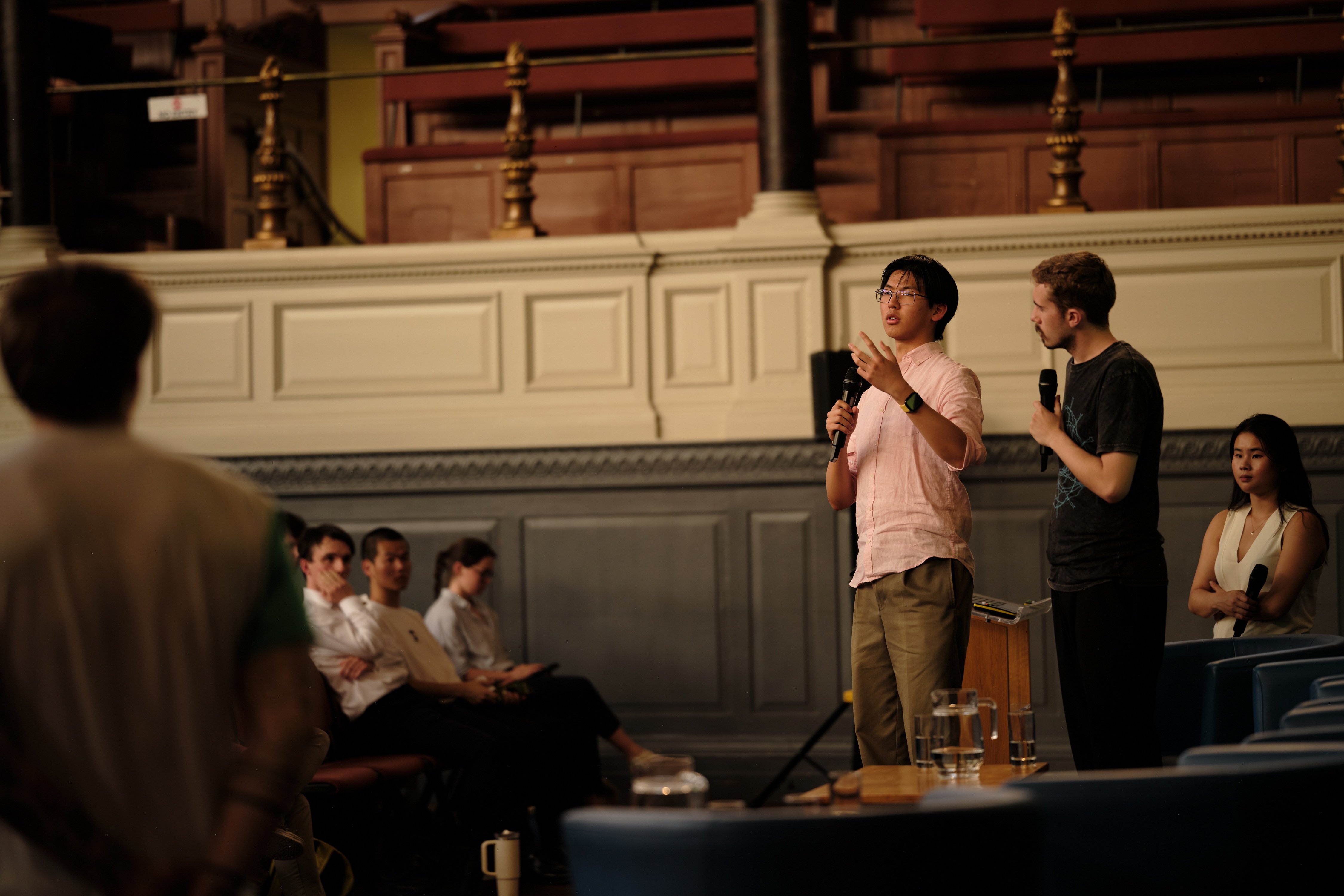
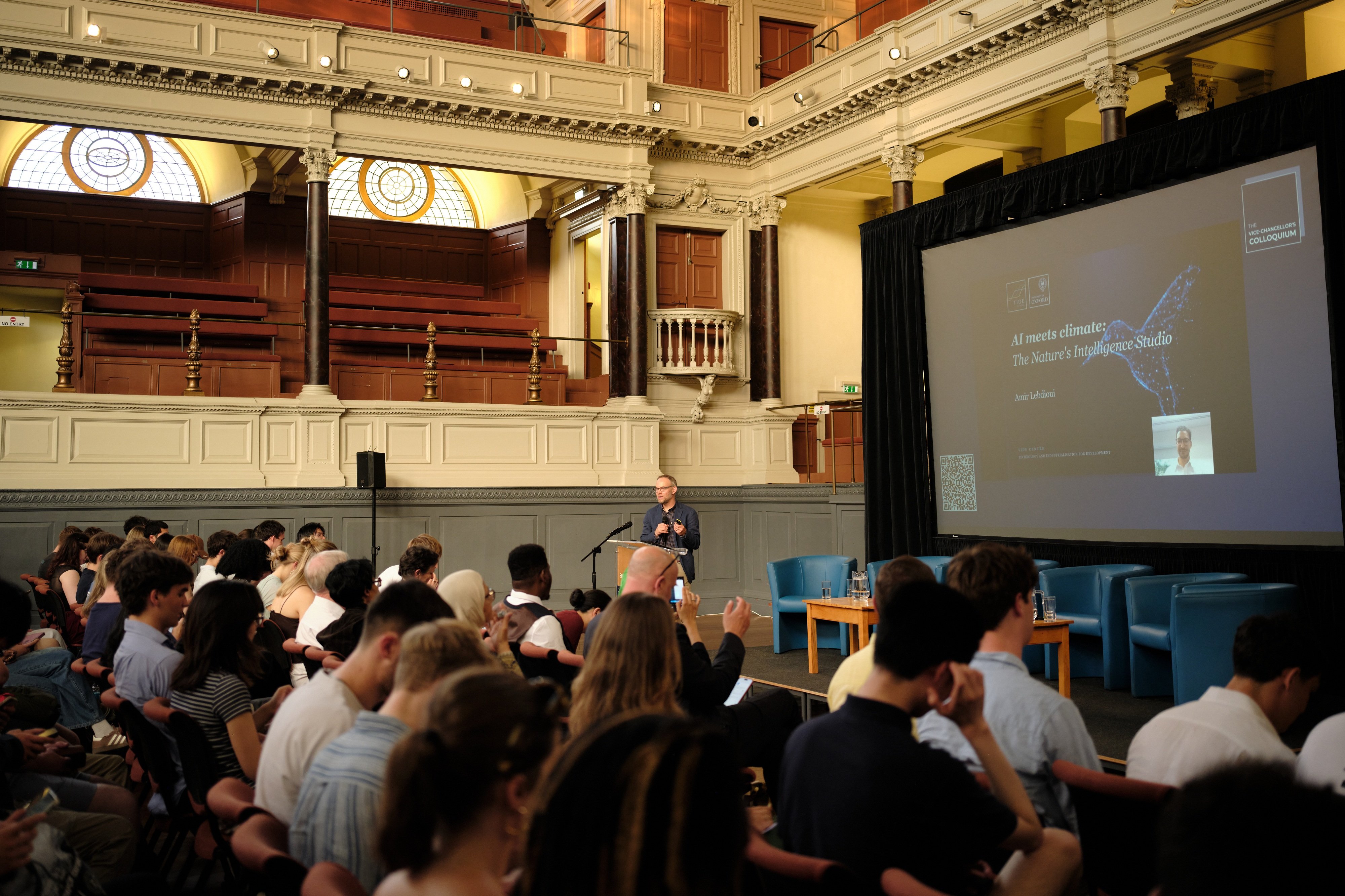
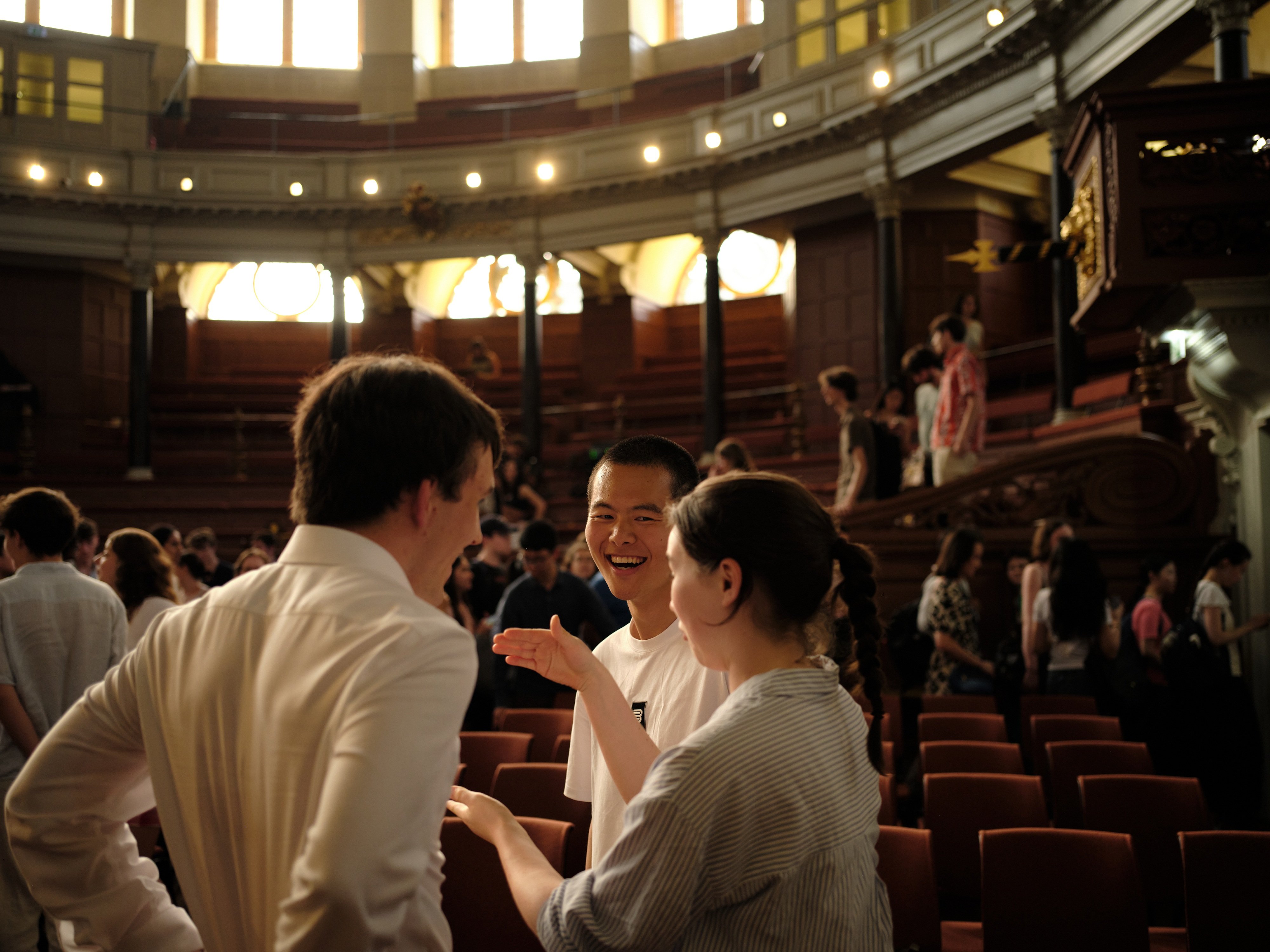
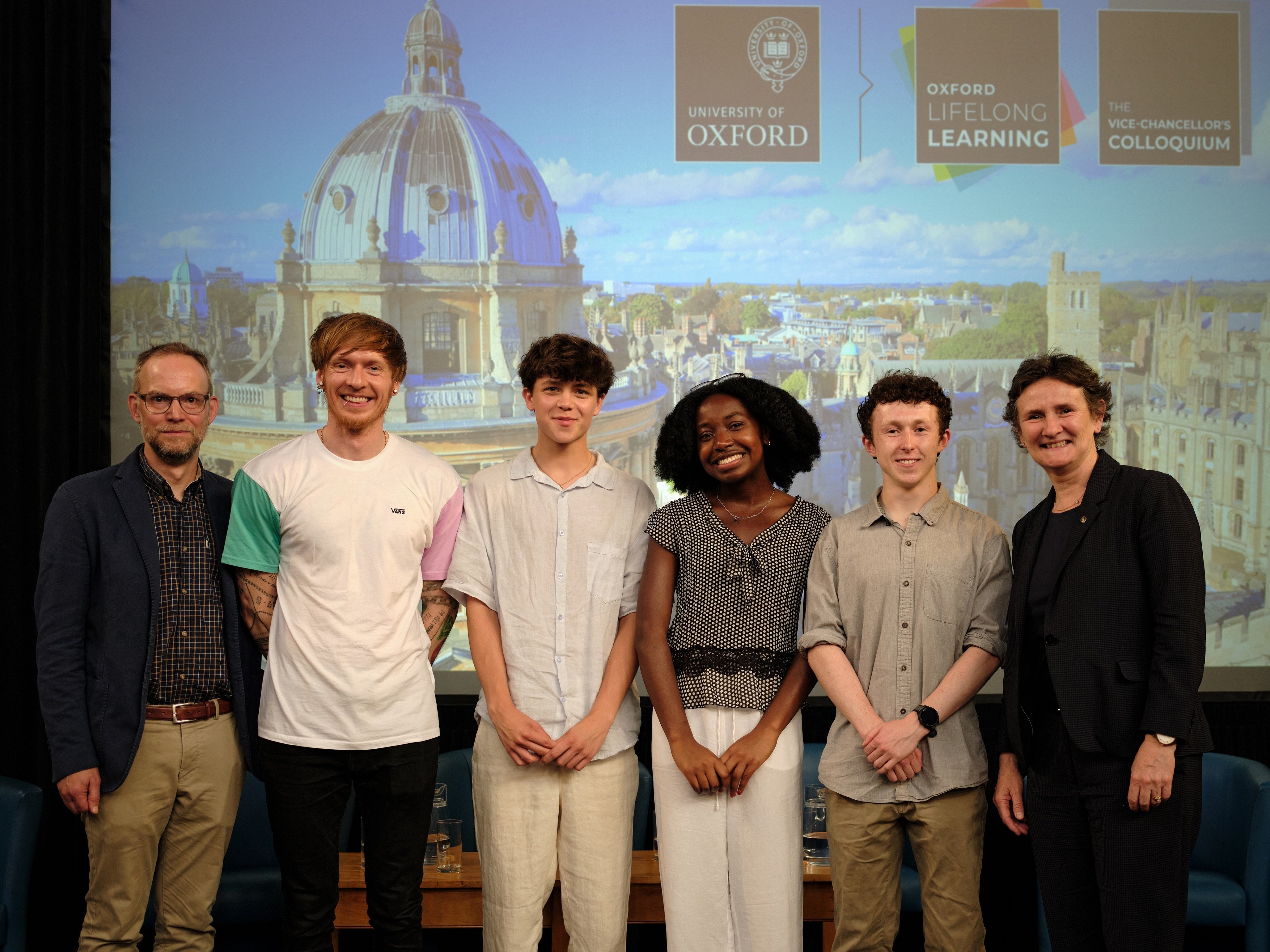
Students and academics share their perspective on the programme.
The Vice-Chancellor’s Colloquium on AI 2027
Thursdays of Hilary term, 5:30-7:30pm
With speakers spanning computer science, engineering, social sciences and humanities, you will explore the following questions:
- What is AI?
- What is the cost of using AI?
- How can AI help us?
- How will AI impact my future?
Student activities include co-designing appropriate uses of AI in higher education and applying vibe-coding to digital humanities.
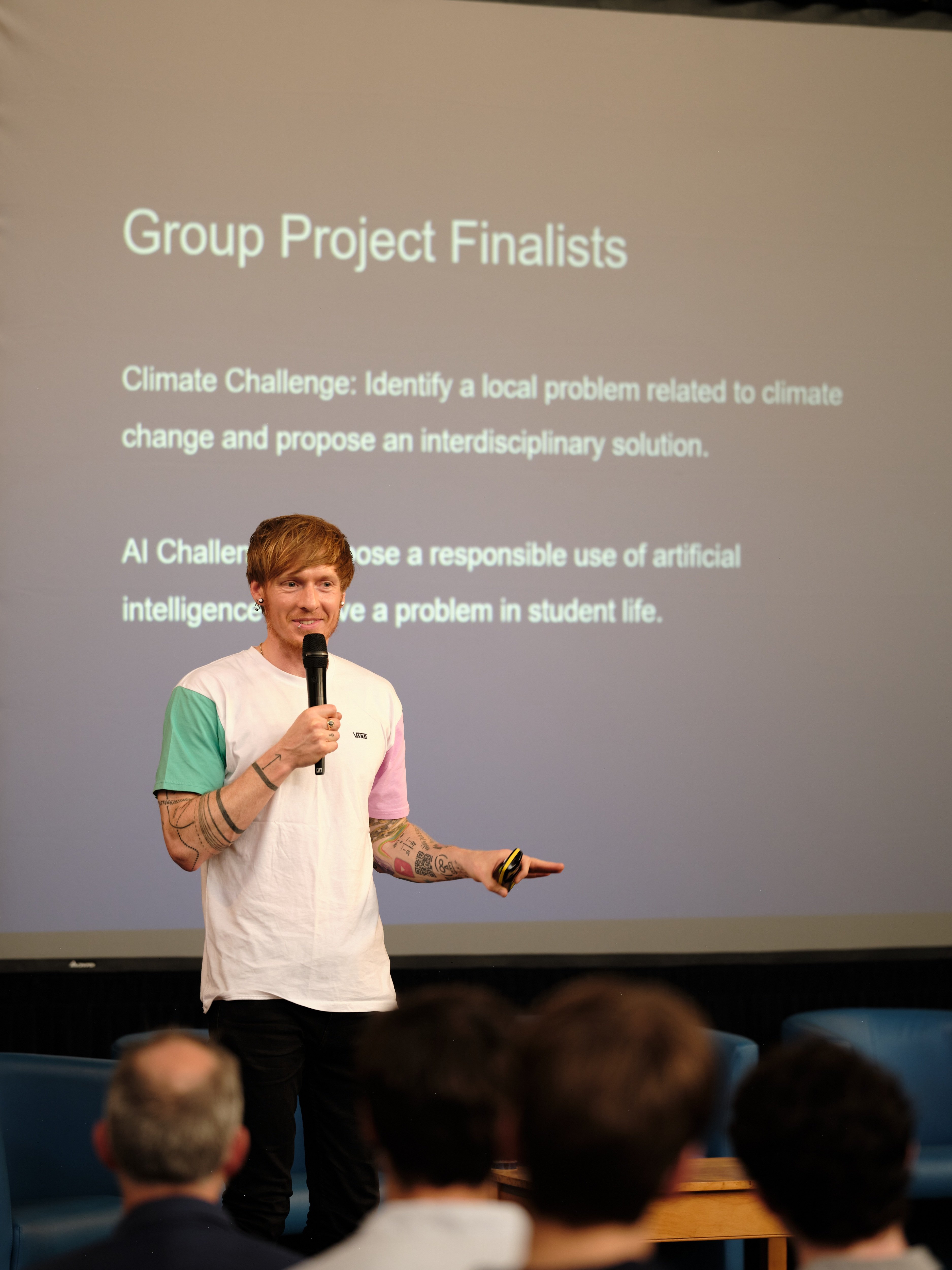
For group projects, you and your group will identify a problem in student life and propose a responsible use of AI to solve it.
2026 students feedback
"I found it very interesting to hear all about the problems that the other groups had identified, and the corresponding solutions that they came up with - seeing AI used in so many different ways, drawing on different disciplines to address real world issues, truly demonstrates how versatile it is, and makes me excited for the future".
"The lectures inspired me to look at AI beyond the surface level that we currently see, especially the idea that AI could have an impact on how we actually see the function of humans and what we expect from ourselves".
The Vice-Chancellor’s Colloquium on Climate 2027
Tuesdays of Hilary term, 5:30-7:30pm
- Drawing on expertise across environmental humanities, social sciences, biology, earth sciences and physics, the Climate Colloquium explores:
- What are the causes of climate change?
- What are the impacts of climate change?
- What are the solutions to climate change?
- What can I do about climate change?
Student activities involve discussions of ethics, the basic maths of models, and a climate litigation mock-trial.
For group projects, you and your group will identify a local problem related to climate change and propose an interdisciplinary solution.
2026 students feedback
"Both lectures and college sessions highlighted that climate action is not only about government policy or individual lifestyle choices, but also about transforming institutions and corporate governance structures. I found the idea of embedding nature into decision-making, such as bringing environmental considerations directly into board-level discussions, particularly powerful".
"I found it interesting dealing with the nature based solutions to climate change, through sustainable management and restoration of ecosystems to tackle climate change and biodiversity loss, which may be overlooked".