
Nuffield Department of Primary Care Health Sciences
The University of Oxford's Nuffield Department of Primary Care Health Sciences has been one of the world's most important primary care centres for over 20 years.

Radcliffe Primary Care Building. Credit: Oxford University Images

Overview
The department is a world-class leader in research and training, aiming to rethink the way healthcare is delivered in general practice and other primary care settings, both across the UK and globally. Integrating evidence and innovation, its main research focus is on the prevention, early diagnosis and management of common illness, health services research and digital health.
Research is led by internationally renowned scientists; many of whom are practising GPs, but Nuffield Department of Primary Care Health Sciences also has academics from a range of non-medical disciplines including the social sciences and humanities.
Research and teaching in the department covers a range of health issues you would typically see your GP for, such as cardiovascular and metabolic diseases, infectious illnesses, childhood conditions, diet and nutrition, smoking cessation, and cancer care. However, its work extends beyond this.
By combining medical expertise with cutting-edge research, the department's key areas of focus include understanding and enhancing patient experiences, leveraging big data for insights, developing innovative digital health solutions, and collaborating on international healthcare initiatives.
The Nuffield Department of Primary Care Health Sciences has methodological expertise in clinical decision making and diagnostics, clinical epidemiology, medical statistics, modelling, qualitative research and the wider application of social science theory and methods to address practical and theoretical challenges in health and care settings. The department also has a dedicated in-house Primary Care Clinical Trials Unit and has an international reputation for developing research methodologies to ensure that research findings have a positive impact on clinical practice.
The department is home to several of the National Institute for Health Research's 200 most prestigious and prominent researchers. These NIHR Senior Investigators contribute significantly to the health sciences as senior leaders, demonstrate research excellence and lead in training of the NIHR's people.
The department teaches elements of the undergraduate programme in medicine including arranging placements for medical students in GP practices. It also provides a highly supportive environment for postgraduates whether they are registered for a DPhil, enrolled on one of its short courses, or the Evidence Based Health Care programme (administered by the Department for Continuing Education). You will also have access to the Medical Sciences Graduate School. The department welcomes domestic and international students to join its experienced and enthusiastic teachers, mentors and supervisors in aspirational study and research.
The department's research is quickly translated into improvements in patient care. In the past five years the department's research has changed clinical guidelines in many areas, including finding an effective treatment for COVID-19 in the community, more effective ways for the NHS to manage patients who wish to lose weight, identified early signs of serious illness in children, enhanced the diagnostic pathways for diabetes, heart failure and for hypertension, improved the recognition and treatment of stroke risk in atrial fibrillation, and altered health policy on smoking cessation. To ensure research is relevant and beneficial, the department works closely with patient and public representatives.
Courses offered
The courses shown below are offered at postgraduate-level.
- MSc in Applied Digital Health (full time)
- Doctor of Medicine (DM) (variable intensity)
- MSc in Evidence-Based Health Care (part time)
- MSc in Evidence-Based Health Care (Medical Statistics) (part time)
- PGDip in Global Health Research (part time)
- MSc in Global Healthcare Leadership (part time)
- PGCert in Health Research (part time)
- PGDip in Health Research (part time)
- DPhil in Primary Health Care (full time and part time)
- MSc in Translational Health Sciences (full time and part time)
- DPhil in Translational Health Sciences (full time and part time)
Medical Sciences Division
The Medical Sciences Division houses some of the strongest biomedical research in the world; Oxford is repeatedly placed first in clinical, pre-clinical and health in the Times Higher Education World University Rankings.
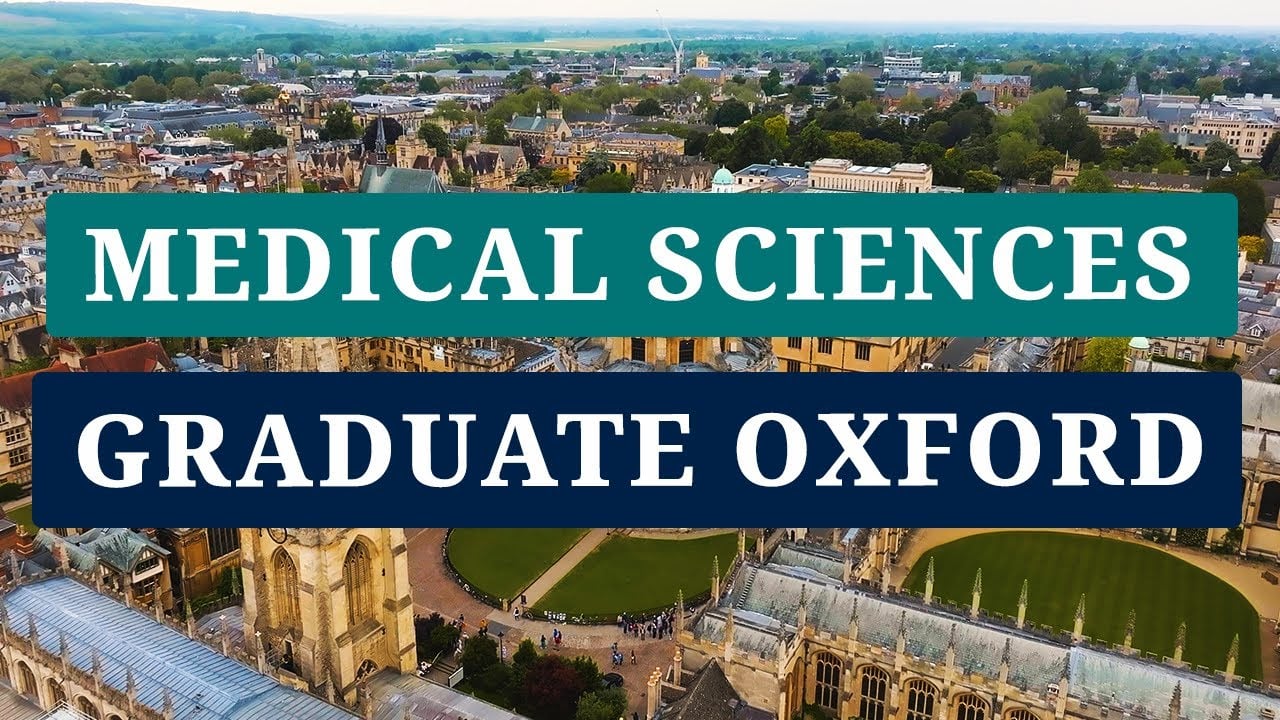
The Medical Sciences Division's departments and institutes in Oxford and overseas are home to some of the strongest biomedical research in the world, regularly appearing at the highest levels in world rankings and rated world-leading and internationally excellent.
The division’s 2,000 researchers cover a wide range of research, from atomic-resolution molecular structural biology to epidemiology as applied to very large populations. This enables students to work on virtually any biomedical problem.
The division provides a stimulating and challenging environment for more than 2,000 talented graduate students with excellent new facilities and close personal supervision by world-class researchers. To complement research supervision and course teaching there is a wide range of facilities aimed at the personal and professional development of students, strengthening their existing skills and developing new skills.
All candidates who apply by the December or January deadline shown on the course page are automatically considered for full funding awards, irrespective of their nationality.