
The Leys Festival 2026 provides unforgettable day celebrating community, creativity and collaboration
The event is co-created through a special collaboration between the local community and a team from the Cultural Programme at the University of Oxford. Held under this year's theme, One People, One Place, the Festival transformed Blackbird Leys Park into a welcoming space where people of all ages enjoyed live music, sport, creative workshops, arts, family activities, food and cross-cultural experiences.
Residents, performers, volunteers, community organisations and visitors gather at Blackbird Leys Park during the Leys Festival 2026, celebrating the creativity, diversity and community spirit of Blackbird Leys and Greater Leys.

Thousands of people gathered at Blackbird Leys Park on Saturday 11 July as residents, performers, volunteers, community organisations and visitors came together for another vibrant celebration of community, creativity and culture.
Held under this year's theme, One People, One Place, people of all ages enjoyed live music, sport, creative workshops, arts, family activities, affordable food and cross-cultural experiences celebrating the diversity, identity and community spirit of Blackbird Leys and Greater Leys.
Now in its third year, the Leys Festival is a special collaboration between a group of dedicated residents and a team from the Cultural Programme, based in the Stephen A. Schwarzman Centre for the Humanities at the University of Oxford, who co-create the event.
Building on a long-established community festival, since 2023 the partnership has supported local residents in shaping the Festival's programme, identity and future direction while ensuring the community remains at the heart of every decision.
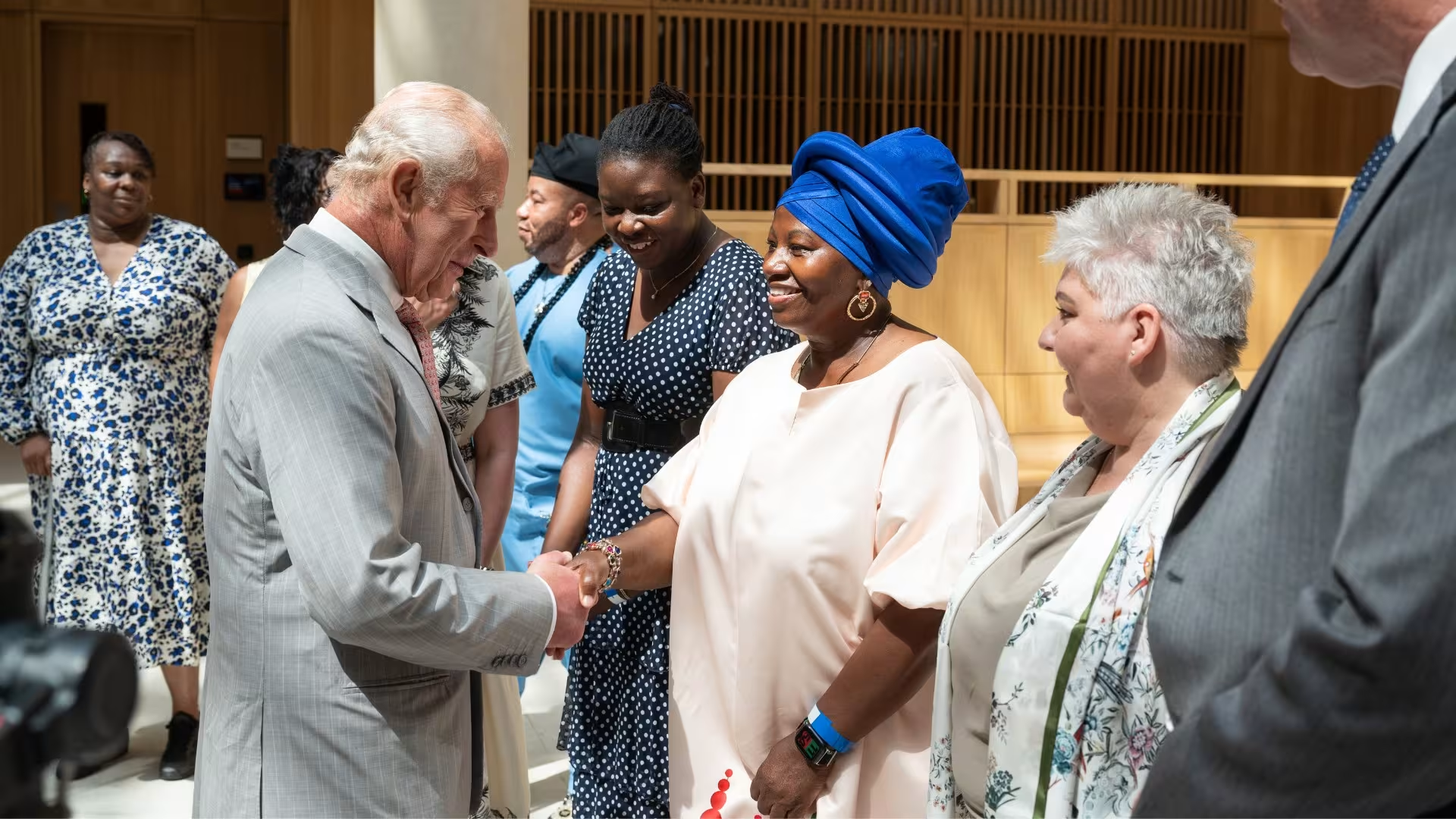
The event followed the official opening of the Stephen A. Schwarzman Centre for the Humanities by His Majesty The King the previous day. During the visit, Festival representatives and members of the local community had the opportunity to meet His Majesty ahead of Saturday's celebrations, recognising the growing relationship between the Festival, local residents and the University through culture, creativity and public engagement.
Josie Bamford, Executive Producer of the Schwarzman Centre Cultural Programme, said: 'We are so proud of our collaboration with the wonderful communities in Blackbird Leys and Greater Leys. The Leys Festival reflects the value of long-term partnership and co-creation. By working with local communities, we are playing a key role in supporting projects that are community-led, collaborative and sustainable.'
“This year is about collaboration and celebration. There are more than 20 different cultures represented through arts, crafts, stalls and food, so it's really drawing everyone together to participate in the Festival. Despite our differences, we are one people, and we can celebrate each other's culture and learn a lot from one another.”
Celebrating each other
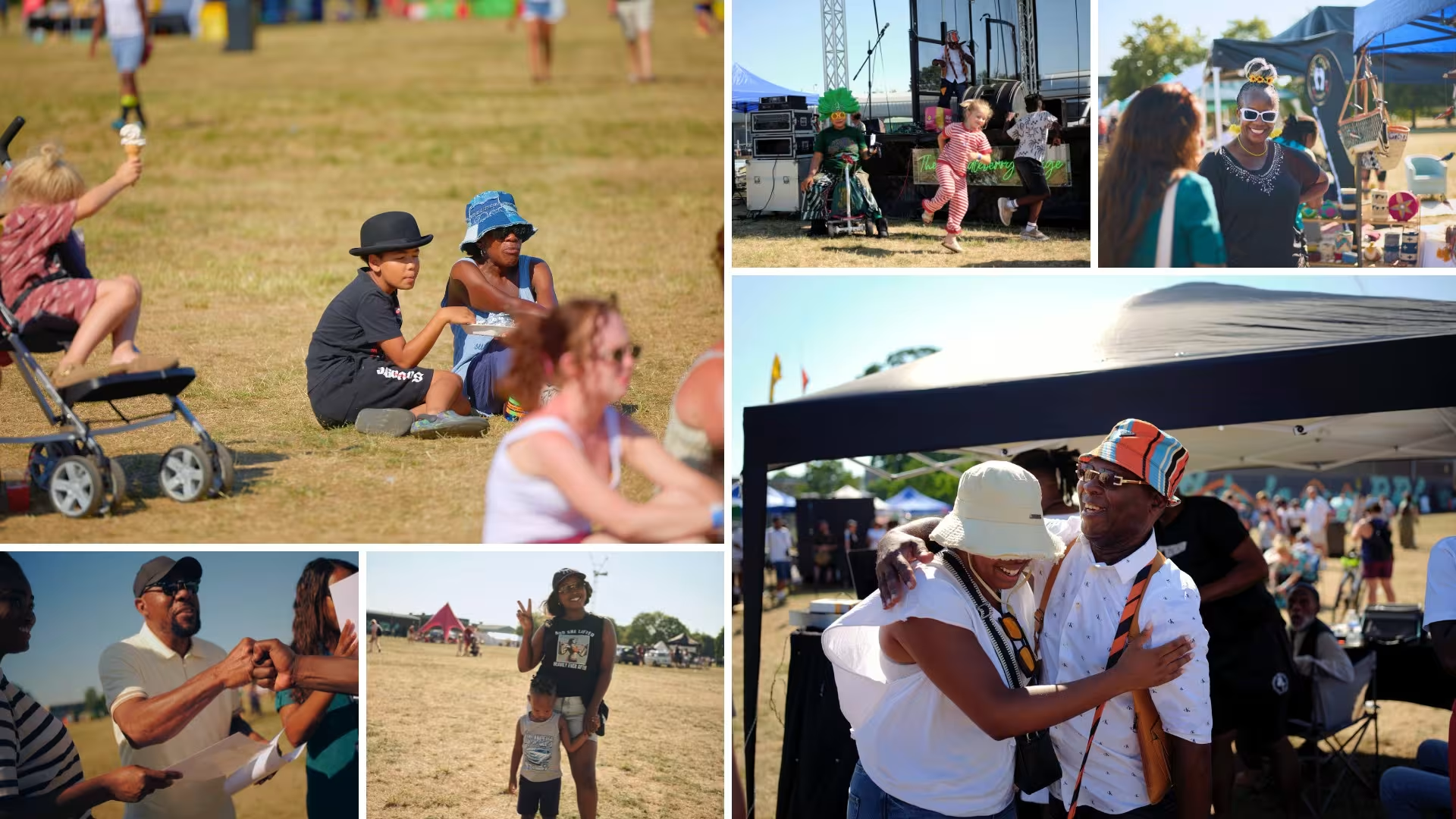
As part of the event, children admired decorated bridge displays created by local schools, while young bakers showcased their talents in the ever-popular Leys Junior Bake Off. Across the site, live performances celebrated a rich mix of musical traditions, from reggae and Afrobeat to folk, contemporary music and spoken word, while creative workshops, climbing activities, arts and crafts and community exhibitions invited visitors of all ages to get involved.
Affordable food from around the world, interactive experiences and welcoming community spaces encouraged conversations between neighbours, visitors and first-time attendees. Artist Natty Mark Samuels spent the day encouraging visitors to connect through storytelling, creativity and shared cultural experiences, and said: 'It's just a way for the community to come together and celebrate each other. Simple as that.'
“I've lived here for 66 years, and this is one of the biggest festivals so far. You get more different races mixing together, more children, more families. It's great, despite the hot weather.”
The Leys Festival also created space for quieter moments of reflection.
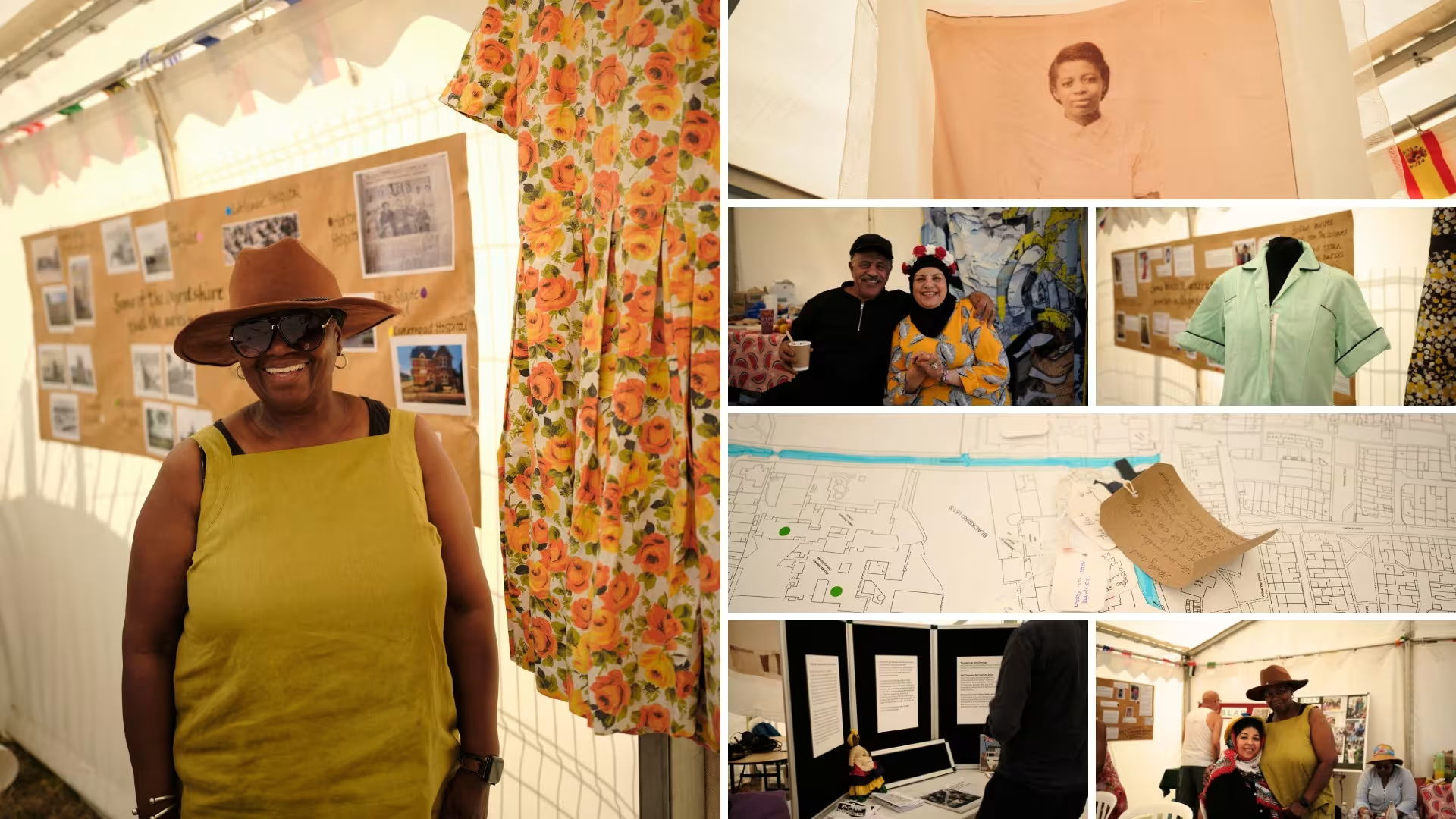
Inside the Windrush Tent, visitors explored an exhibition celebrating the contribution of the Windrush Generation to nursing and healthcare, featuring photographs, personal stories and memories that honoured those whose dedication helped shape both the NHS and local communities.
Supported by Peabody, the exhibition encouraged conversations across generations and invited visitors to celebrate local heritage while reflecting on the lasting impact of generations whose stories continue to inspire and the people whose resilience, service and contribution continue to shape Blackbird Leys, Greater Leys and communities across Oxford.
“The Windrush Tent has been a real labour of love. Through the stories and photographs you can see how people came here, gave their best and helped build Britain. Some of the stories made me laugh, some made me really sad, but they're stories we need to preserve for future generations.”
Shared learning
The Leys Festival also reflects the University of Oxford's long-term commitment to working alongside local communities through partnership, collaboration and shared learning.
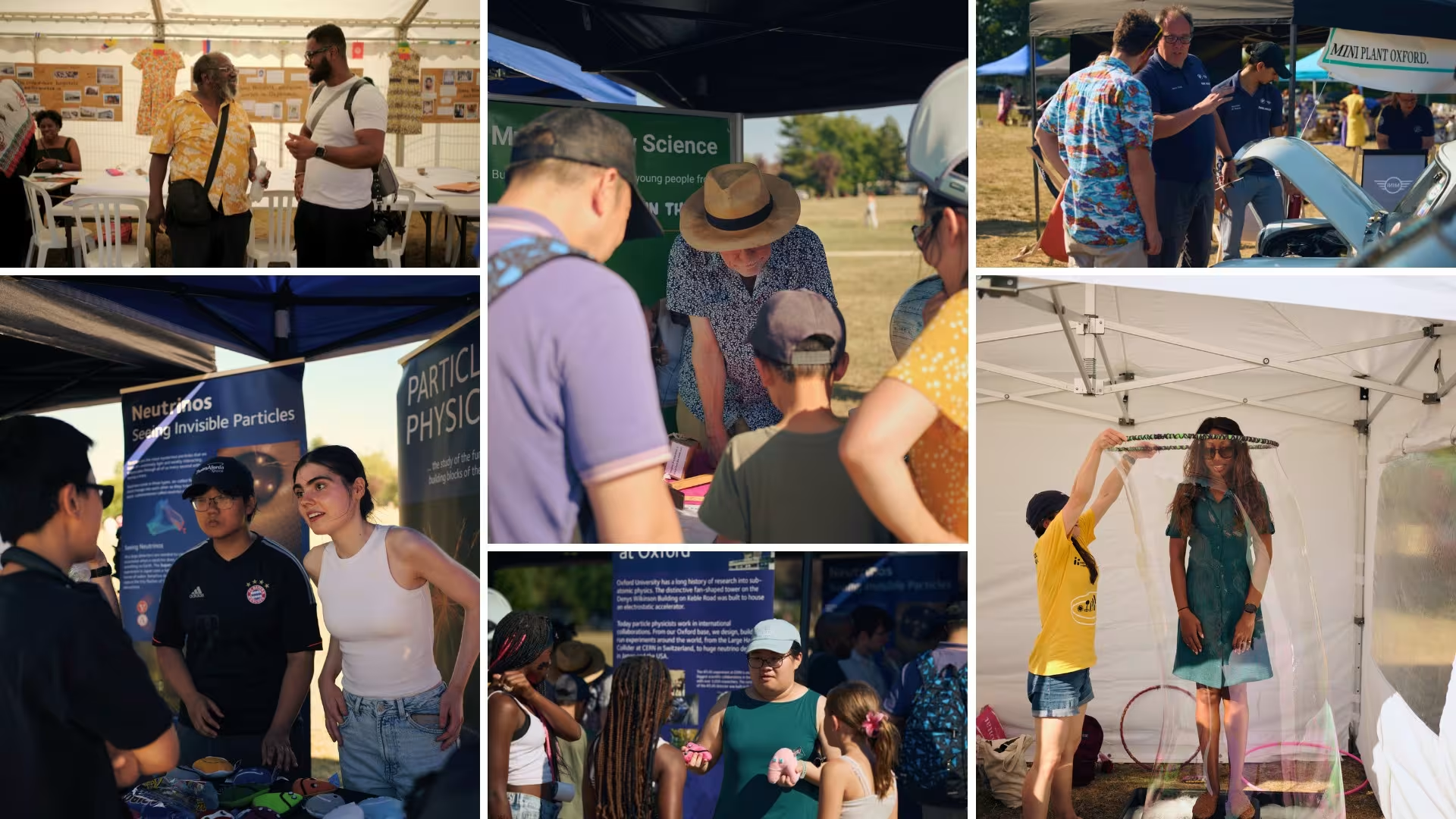
Throughout the day, colleagues from across the University joined residents, volunteers, community organisations and local partners to create welcoming spaces where people could learn, share ideas and discover new experiences together. From hands-on science demonstrations and interactive museum activities to sport, wellbeing and creative workshops, visitors were encouraged to explore, ask questions and take part in conversations that reflected the Festival's collaborative spirit.
Chris Parkin, Learning Producer at the University's History of Science Museum, said: 'We're really pleased to be here today to connect with communities we've been working with through our learning and engagement programme. Bringing the museum into the community helps break down barriers and makes those connections that benefit the University as a whole.'
Students also played an important role throughout the Festival, volunteering alongside community partners and helping deliver activities across the site. Fengrui Liu, DPhil student and Leys Festival volunteer, added: 'I really felt that I am a member of the community. It made me feel that research, local impact and the University all merge at this point. It's also important for people working in research to engage with communities and build strong bonds with them.'
Sport also brought people together on the day, with visitors enjoying taster sessions, team games and interactive activities spanning football, rugby, cricket, basketball and more. Among those leading activities were Football on the Brain and Oxford City Football Club, who used football to engage children, young people and families while opening conversations around brain health, wellbeing and community participation.
Dr Jonathan Attwood, representing Football on the Brain at the University of Oxford, said: 'Football breaks down barriers. People see a goal, a football and a red shirt, and they just come over and start kicking the ball. Football starts the conversation, and then we can begin talking about brain health, brain science and research in a way that's fun and accessible.'
Reflecting on the importance of bringing football into the heart of the community, Aliyah Anthony, representing Oxford City Football Club, added: 'It's massively important. It helps me connect with players, parents and young people, and there's a real family vibe. We're here to show that Oxford City is part of the community as well, and that's something that needs to continue.'
Looking ahead
The Leys Festival will continue to build on the relationships, trust and collaborative approach developed over recent years. As its community-led model evolves, local residents will play an increasingly central role in shaping future Festivals, supported by community organisations, artists, partners and the University of Oxford.
Hassan Sabrie, Director of Oxford Community Action (OCA), says the long-term ambition is for local people to feel confident taking the Festival forward: 'What I want to see is, even if the University leaves one day, the community will take over.'


