
Sport & wellbeing
Through sport and wellbeing programmes, the University is connecting people, strengthening communities, and supporting healthier lives. We are working with our partners to open up sport, physical activity, and wellbeing initiatives that promote participation, confidence, and connection. By sharing our expertise, facilities, and research, the University hopes to improve wellbeing outcomes, reduce barriers to participation, and create lasting social impact supporting individuals and communities to thrive, on and off the field.
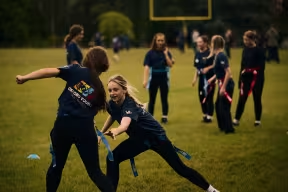

Sport and physical activity can be powerful ways to build confidence, strengthen connection, and enhance wellbeing.
Oxford’s work in this area is bringing together academic insight, student energy, and practical community engagement. Researchers across divisions are exploring the science of physical and mental health, exercise psychology, behaviour change, and the social determinants of wellbeing, helping to shape evidence-based approaches to active living.
Collegiate sports programmes and the University’s Sports Department are also working to support a vibrant culture of participation that benefits students and local residents alike. Working with schools, businesses, local clubs and organisations, the collegiate University is opening up sport facilities to community use and delivering inclusive programmes to support team play and academic enrichment.
Below you can explore examples of research projects, engagement initiatives, and partnerships that promote sport, health, and wellbeing across Oxford and beyond.
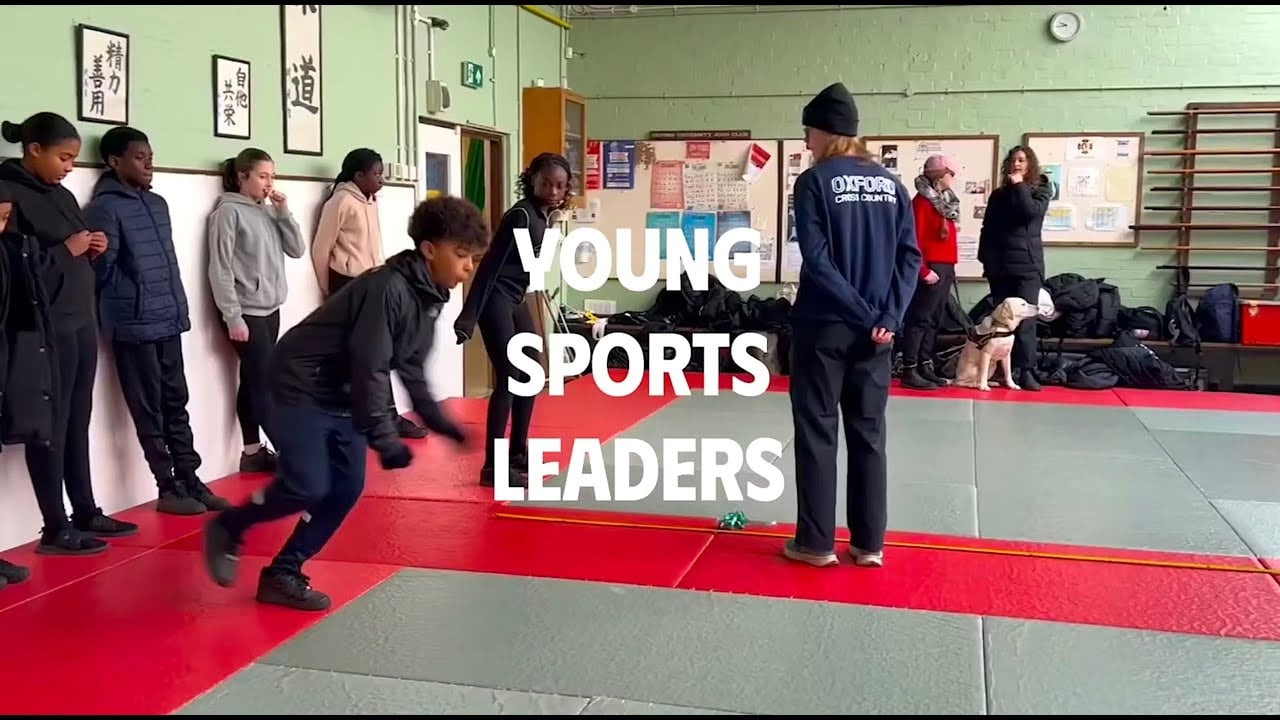
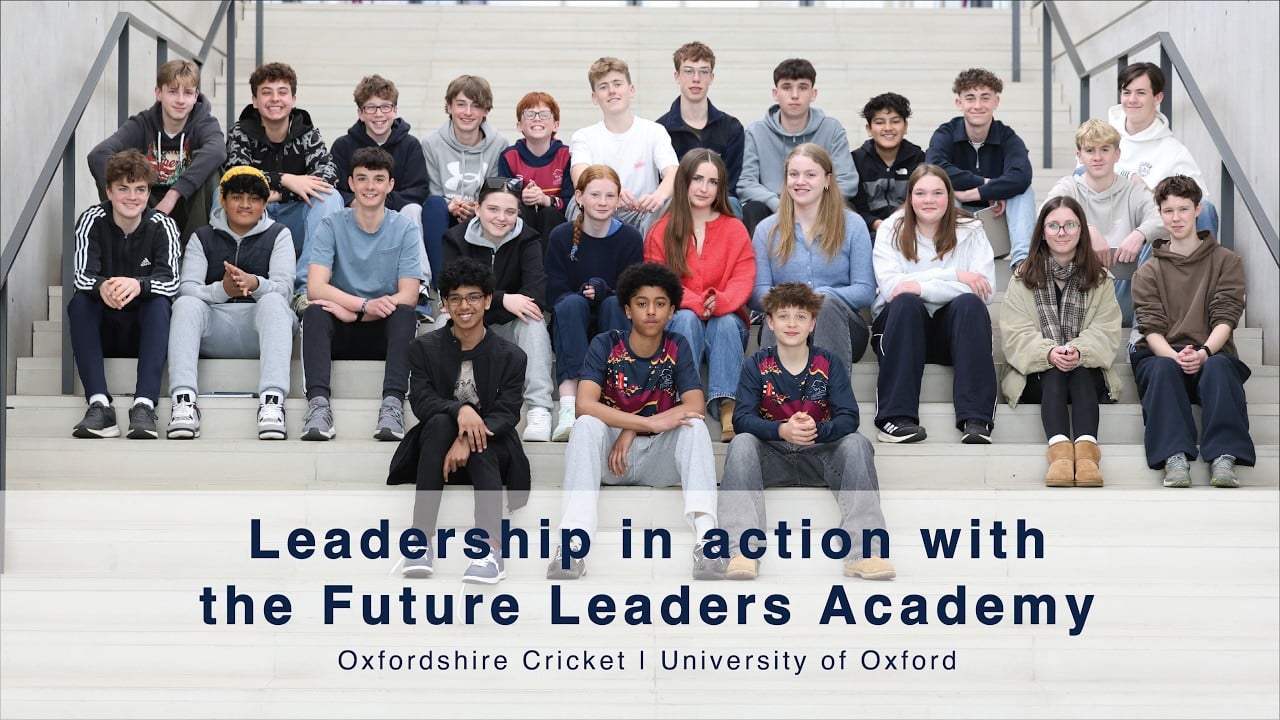
Through programmes such as Oxford Young Sport Leaders and the Future Leaders Academy, the University engages young people in sport-based development across Oxfordshire. These initiatives create structured opportunities for participation, combining physical activity with mentoring, academic input, and access to University spaces to build confidence, wellbeing, and a sense of belonging. A wider network of partnerships strengthens delivery across the city and county. Collaborations with organisations including Oxford City FC, Oxford Hoops Basketball Club, and Oxfordshire County Cricket Club extend access to facilities, coaching, and leadership development. Bannister Miles, an annual community running event inspired by Sir Roger Bannister’s historic achievement, brings together more than 1,500 participants each year, creating a shared moment of participation and connection across Oxford.
The programmes support young people at different stages, from early engagement through to structured leadership pathways with training, qualifications, and volunteering. Oxford Young Sport Leaders works with six state schools and over 70 Year 8 pupils annually, while the Future Leaders Academy supports 13–18 year olds across Oxfordshire, with over 90% of participants reporting increased confidence and leadership skills.
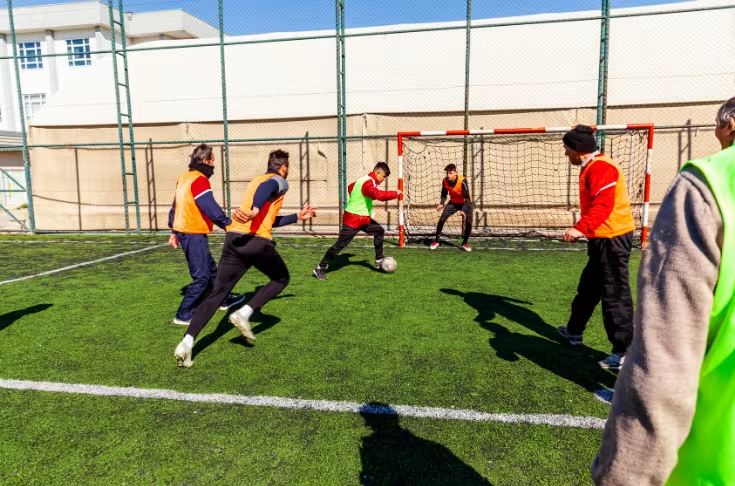
Oxford research also demonstrates the wider role of sport as a tool for social intervention. A major study on the Twinning Project, a football-based programme delivered across more than 45 UK prisons, shows how structured sport and coaching improve behaviour, strengthen social bonds, and support rehabilitation. Participants recorded a 50% reduction in adjudications compared to a matched control group, alongside increased optimism, engagement, and readiness for reintegration. By combining sport with education and accredited qualifications, the programme creates pathways into employment while contributing to reduced reoffending and stronger, more connected communities.
Connecting communities through sport and culture
When Oxford United Football Club and the Ashmolean Museum came together to launch the limited-edition In Bloom shirt in 2026, they created more than a football kit. Inspired by John Ruskin's Study of Wild Rose and the Museum's In Bloom: How Plants Changed Our World exhibition, the collaboration brought together Oxford's sporting and cultural heritage in a celebration of local identity.
The response was remarkable, with the shirt becoming Oxford United's fastest-selling replica kit, selling out within 24 hours of its release. Filmed at Oxford Botanic Garden, the launch campaign brought art and football together, introducing the Ashmolean's collections to new audiences through the Club's supporters and wider community.
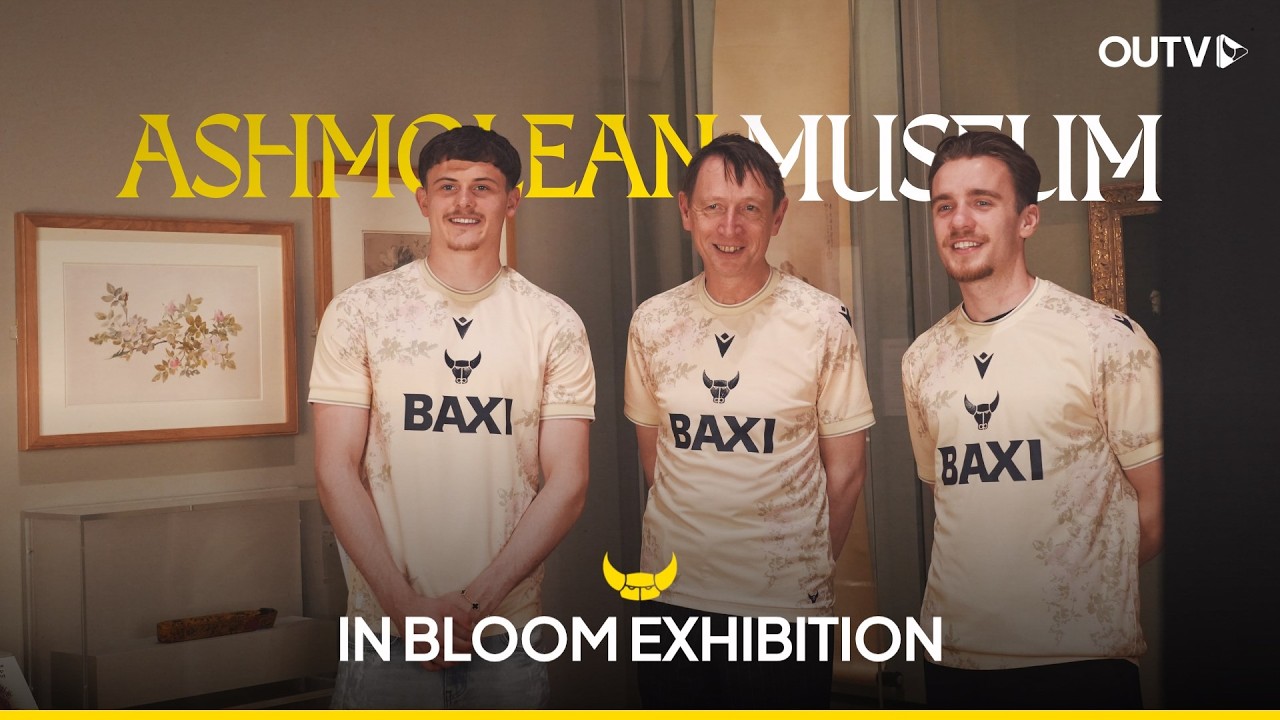
The collaboration also saw Ashmolean Director Dr Xa Sturgis take two Oxford United players on a guided tour of the exhibition, creating another opportunity to connect sport and culture.
By bringing together two of Oxford's best-known institutions, the partnership demonstrated how creative collaboration can celebrate shared heritage, strengthen community connections and encourage people to explore cultural experiences beyond their usual interests.
One million people, reshaping global health
The Global Health Network, led by Oxford, is a worldwide community of over one million health professionals and researchers working together to improve how health research is done and applied. By sharing knowledge, training, and tools across regions and disease areas, the Network is helping teams tackle everyday diseases of poverty while strengthening the ability to detect and respond to emerging global threats.
Crucially, it is shifting where research happens, who leads it, and who benefits, enabling healthcare workers in all settings to generate evidence, improve care, and respond to challenges in real time. From local clinics to global collaborations, this model is building more equitable, resilient health systems and improving lives worldwide.

External engagement
Partnerships, research, collaboration and resources form a connected portfolio, linking activity from local communities to global contexts and creating impact beyond the University.


