
Vice-Chancellor’s Awards
The Vice-Chancellor's Awards celebrate the dedication, courage, ambition and inspirational contributions of our people, and their commitment to excellence in pursuit of Oxford’s core mission.

Held annually, they recognise achievements and celebrate success – from our academics and researchers to professional, technical and support staff, whether they are in colleges, divisions, departments, central services, libraries, museums or elsewhere.
A list of previous winners can be found below.
Staff looking for information about making a nomination should go to OxIntranet.
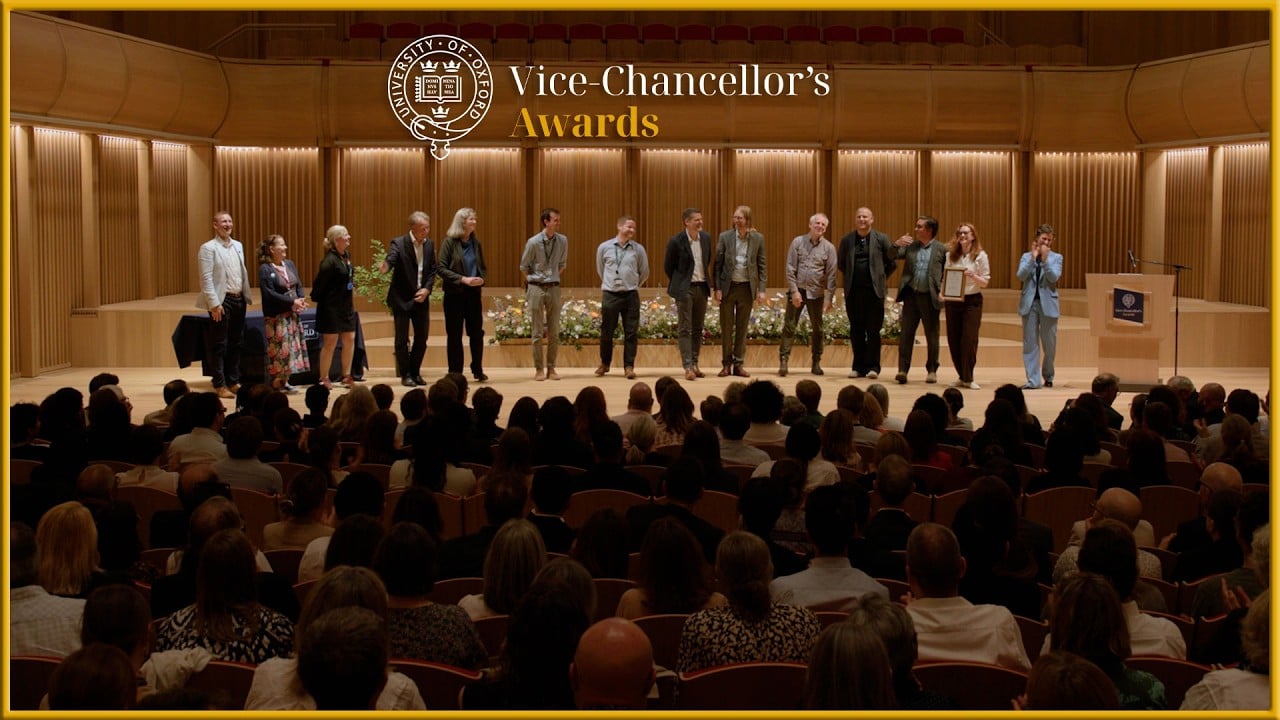
This video is hosted on YouTube. Please enable video cookies to play it.
“This year’s Awards ceremony and showcase celebrated the exceptional people and partnerships that underpin Oxford’s success and impact, highlighting the creativity, dedication and ambition that is evident across our University community. I was delighted to meet colleagues and collaborators from across Oxford and beyond, and to celebrate their outstanding achievements in the new Schwarzman Centre for the Humanities. The Awards not only recognised remarkable accomplishments, but also strengthened connections, inspired new collaborations and reinforced our shared commitment to excellence in teaching and research."
Professor Irene Tracey, Vice-Chancellor CBE FRS FMedSci
2026 awards winners
Congratulations to all the teams and individuals nominated in the 2026 awards. Click on the award categories to find out about the winners, highly commended and finalists.
For colleagues who have worked to enhance Oxford’s high-quality education and student experience across the collegiate University:
1. Teaching, Learning and Assessment Award: recognising colleagues who have demonstrated a commitment to high-quality teaching and learning for Oxford’s students, in support of improved educational outcomes.
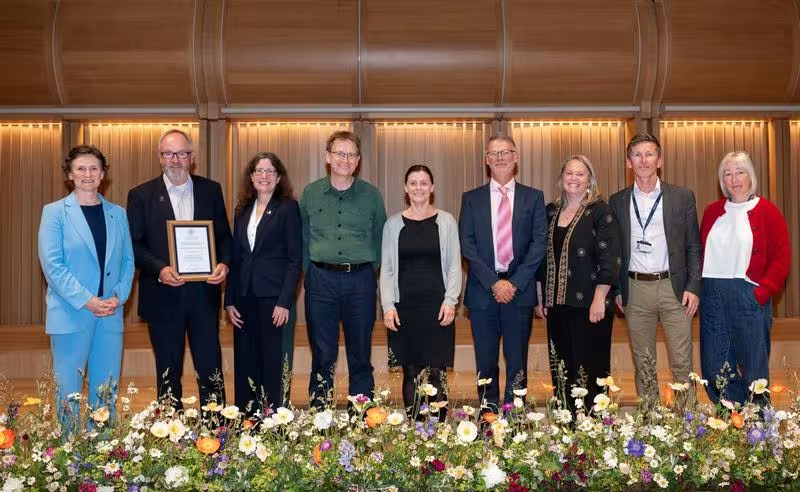
Winner:
Sustaining Lifelong Learning in Evidence-Based Healthcare
Oxford’s global part-time programme sustainably and inclusively supports lifelong learning in evidence-based healthcare for professionals worldwide.
Highly commended:
Graduate Programme in Brain Imaging
Oxford’s volunteer-led programme delivers world-class MRI training, cultivating leaders in cutting-edge brain imaging research.
Nuffield Department of Clinical Neurosciences, MSD
Finalists:
- AI-Simulated Patient for Medical Education
- Encountering evolution at the Museum of Natural History
- PAIPERCAST.
2. Support for Students Award: recognising colleagues who have supported students' development.
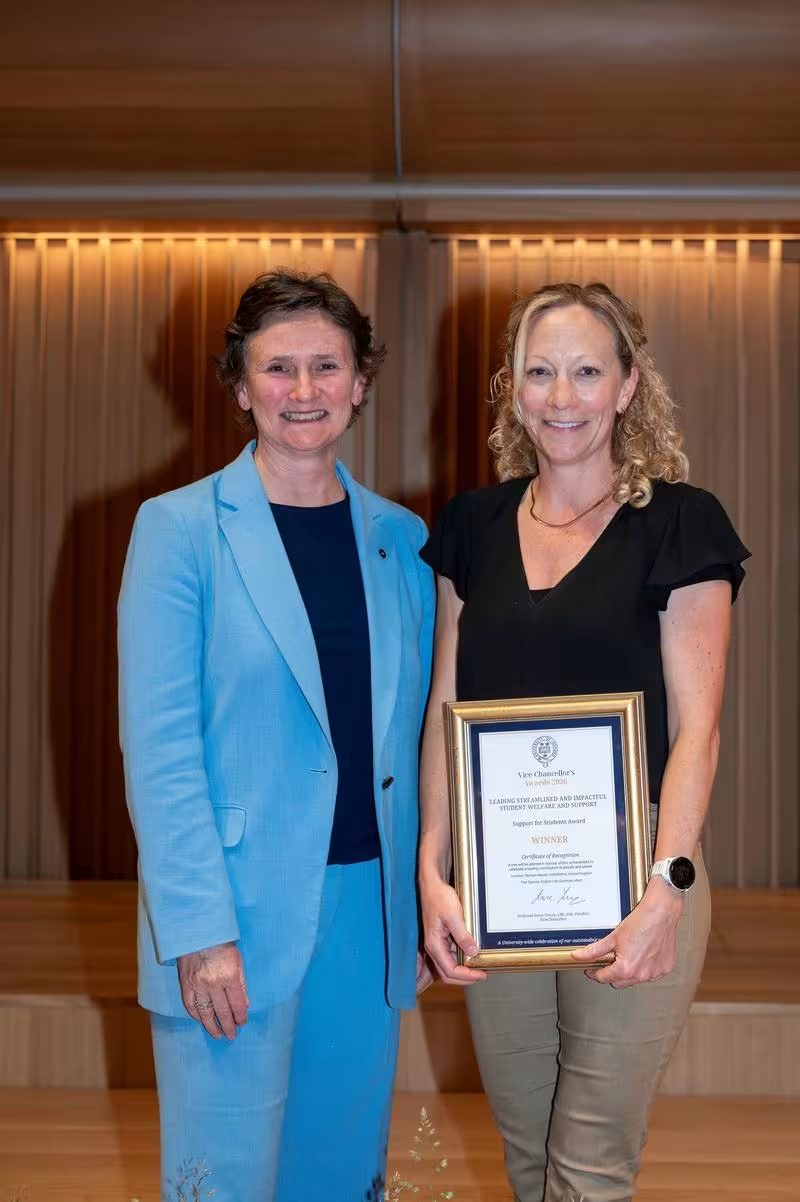
Winner:
Leading streamlined and impactful student welfare and support
Championing inclusive disability advocacy and trauma-informed, survivor-centred responses to harassment and violence.
Katherine Noren, Student Welfare and Support Services, UAS
Highly commended:
Neurodivergent Education for Students, Teaching and Learning (NESTL)
A collaborative, co-created project transforming Oxford’s learning environment through inclusive, evidence-based resources and research.
Connecting students with academically enriching opportunities, alumni and internships, to develop skills and make informed decisions about their careers.
Somerville College
Finalists:
- Building an Integrated Doctoral Support System
- Widening Methods of Medical Teaching
- Radcliffe Science Library wellbeing programme.
Awards for colleagues who have undertaken high-quality research and innovation:
3. Research Engagement Award: recognising those who have enriched their research through engaging with those outside the University, for the benefits of wider society.
Winners:
Borders, Mobility, and Livelihoods
A mixed-method research project exploring refugees' cross-border mobility in East Africa with policy impacts at multiple levels.
Oxford Department of International Development, Social Sciences Division
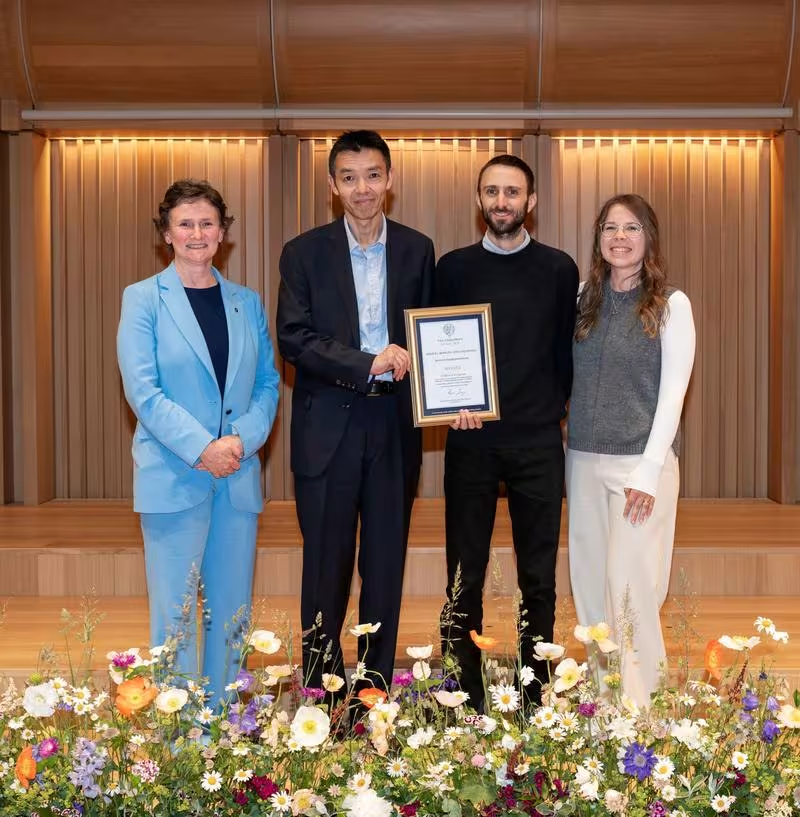
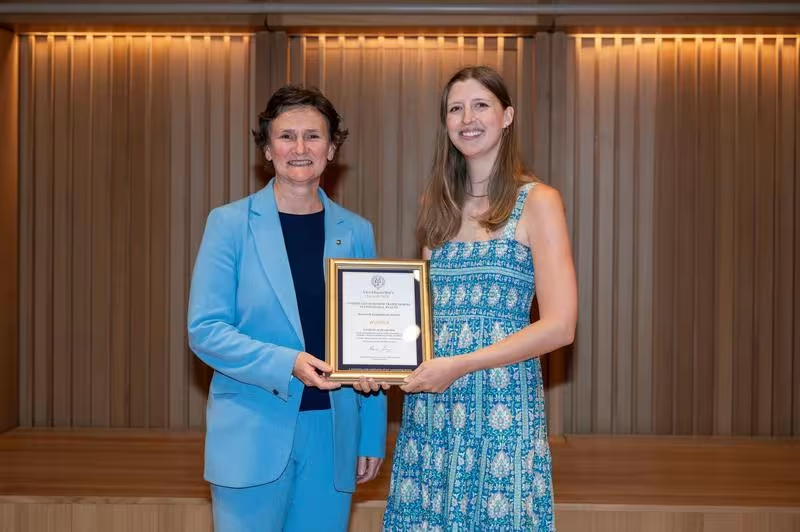
Patient-led research transforming vulvovaginal health
Co-produced patient research on recurrent vulvovaginal pain is shaping NHS care pathways, clinical guidelines, and parliamentary policy.
Tori Ford, Primary Health Care Sciences, Medical Sciences Division
Highly commended:
My Baby's Brain
An animation series for parents of premature newborns, co-created as a collaboration between by researchers, parents and a local charity.
Department of Paediatrics, Medical Sciences Division
Quantum Theory in Pictures
A new way to learn quantum theory using pictorial mathematics, enabling global audiences to understand advanced concepts without advanced maths.
Department of Computer Sciences, MPLS Division
Finalists:
- Seismic Senses at the Royal Society Summer Science Exhibition
- The AntiMicrobial Resistance Circus, Cambodia.
4. Research Culture Award: recognising those who have contributed to a positive, inclusive, and equitable research culture.
Winners:
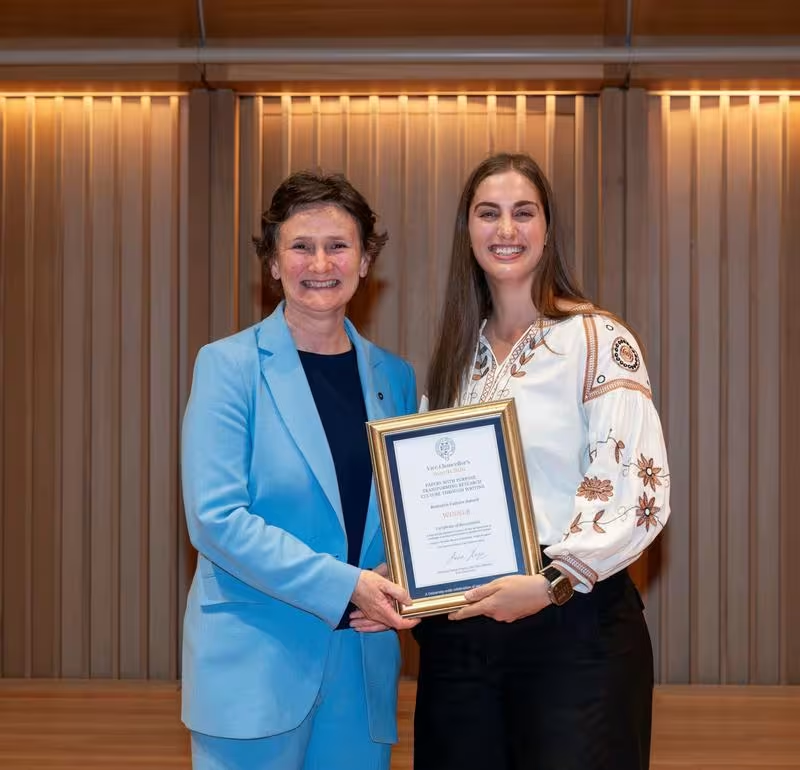
Papers with Purpose: Transforming Research Culture through Writing
An inclusive writing programme transforming research culture through capacity development and community building among scholars from underrepresented contexts.
Oxford and University of Cape Town collaboration
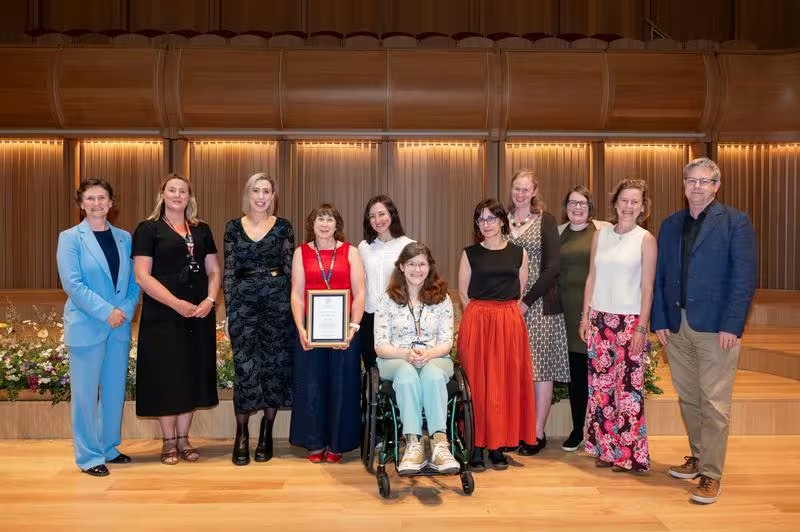
Research Culture Toolkit
A collaborative University-wide project to provide a consistent approach to surfacing, sharing and supporting good practice in research culture.
Highly commended:
Researcher-led action to strengthen Oxford’s research environments
Innovation, diplomacy and peer leadership as a researcher representative, enabling advancements in researcher inclusion and career development across the University.
Dr Courtney Nimura, Ashmolean Museum, GLAM
Embedding sustainability in research practices
Rolling out an environmental sustainability certification to more than 400 labs over 10 months, to avoid losing significant research funding.
Finalists:
- Tech Shadow and Share
- Spotlight on LGBTQ+ Research.
5. Breakthrough Researcher Award
Recognises researchers at the early stages of their careers who have made a significant impact at the University.
Winner:
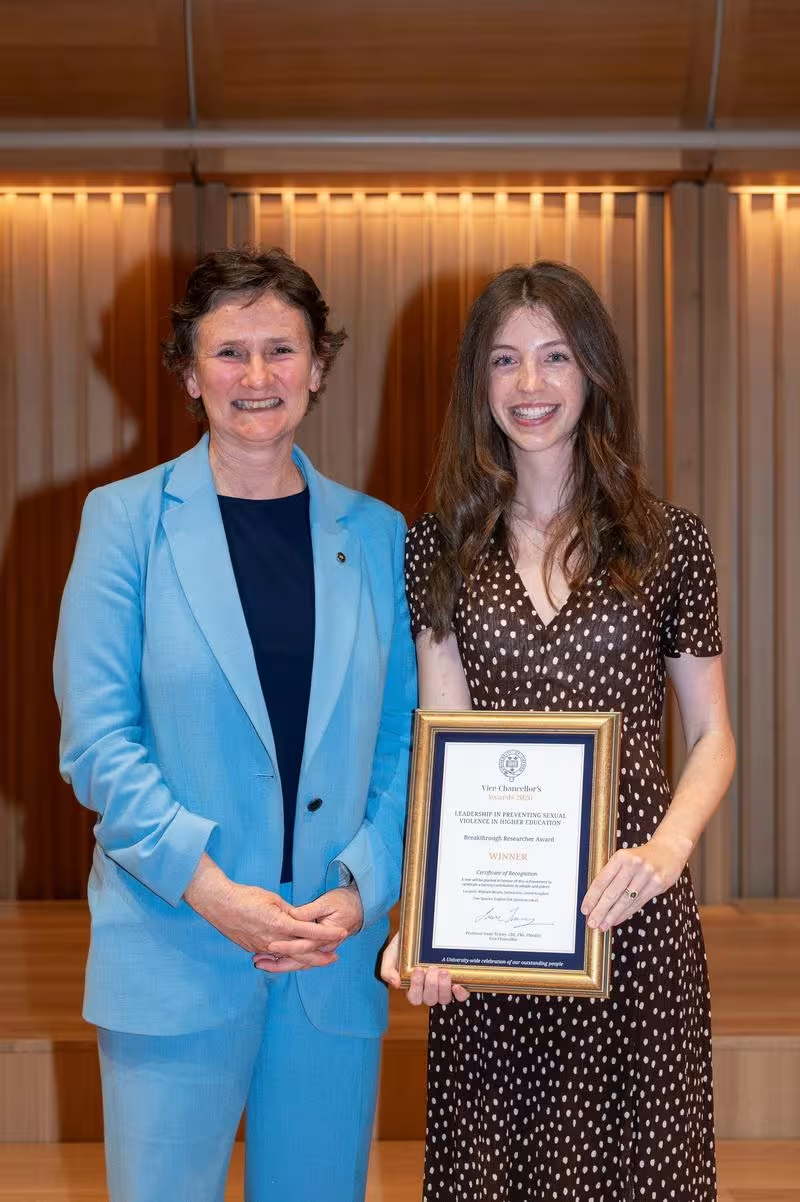
Leadership in Preventing Sexual Violence in Higher Education
Research shaping national approaches to preventing sexual violence in higher education, while positioning Oxford as a leader in evidence-informed policy and practice.
Bridget Steele, Department of Social Policy and Intervention
Highly commended:
Leading the Oxford Community History hub
A wide-ranging and interdisciplinary programme that stimulates and supports Oxford community-led historical projects.
Priya Atwal, Department of History, Humanities Division
Finalists:
- Strategic partnership focused on muon research - George Green, School of Archaeology, Social Sciences Division
- Breakthrough Research in Agentic AI Safety and Security - Adel Bibi, Department of Engineering, MPLS Division
- Opening Research Pathways Through Summer Internships - James Matthews, Department of Physics, MPLS Division.
Recognising individuals and teams who harness innovative thinking, technology, and collaboration to deliver measurable impact and sustainable change.
6. Commercialisation and Entrepreneurship Award: recognising ventures that have translated research-based ideas into market-ready products or services.
Winner
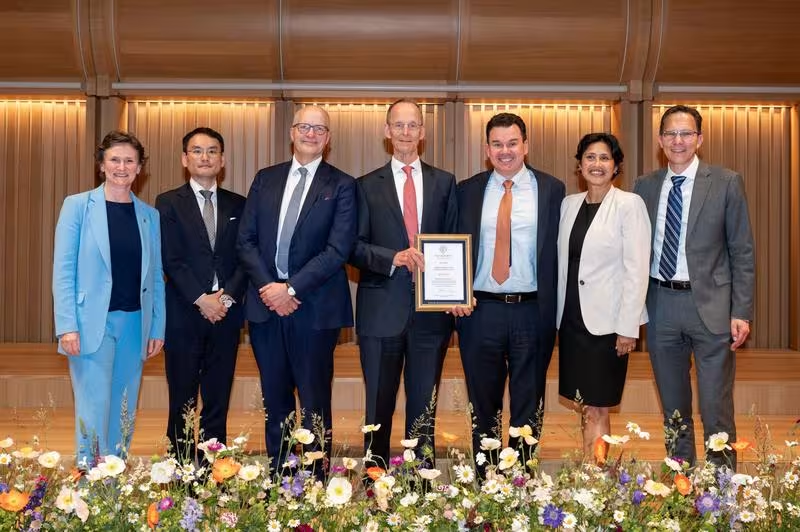
OrganOx
Commercialising research into life-saving organ preservation technology, saving over 8,000 lives and achieving a landmark $1.5bn commercial exit.
Highly commended:
Oxailis
AI-enabled software revolutionising ultrasound imaging to provide a novel diagnostic tool, enabling accurate, low- cost detection of medical disorders worldwide.
OxTrack
OxTrack assesses teacher competences across 48 knowledge domains enabling teachers to compare results with national averages and receive personalised feedback.
David Johnson, Department of Education, Social Sciences Division
7. Collaboration for Innovation Award: recognising research-led innovation with external partners.
Winner:
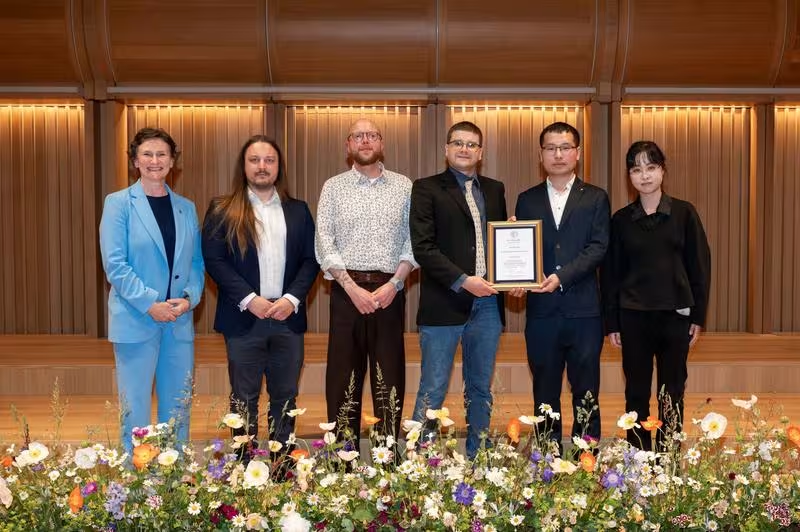
AutoInspect
AutoInspect is a complete autonomous system developed collaboratively to enable robots to safely inspect industrial facilities, including nuclear power plants.
Department of Engineering Science, MPLS Division
Highly commended:
SCGC-FIRST
An early-stage, research-led innovation through equitable industry collaboration, addressing the world’s most pressing sustainability challenges.
Dermot O’Hare, Department of Chemistry, MPLS Division
Awards for colleagues who have made an impact through collaboration:
8. Local Community Engagement Award: recognising those who have worked to make a positive different to the lives of individuals and communities in Oxfordshire.
Winners:
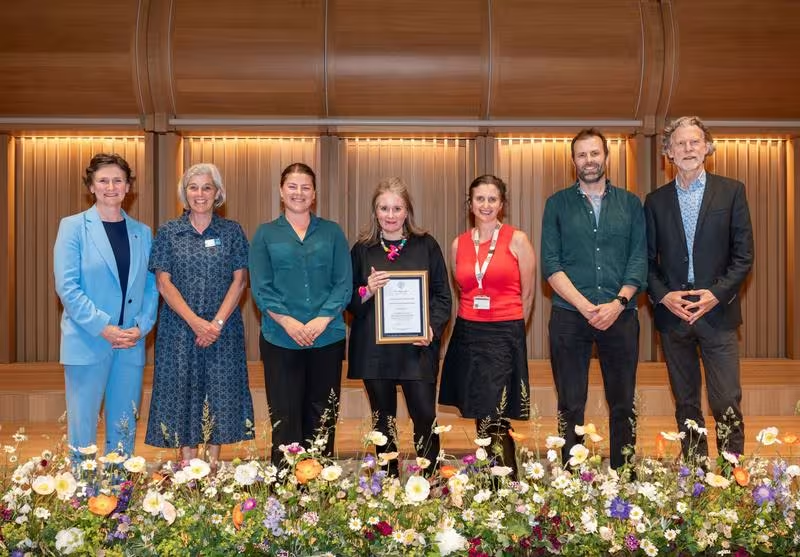
Iffley Academy Partnership
A programme of high-quality cultural education opportunities for young people with complex special needs at the Iffley Academy school.
Gardens, Libraries and Museums
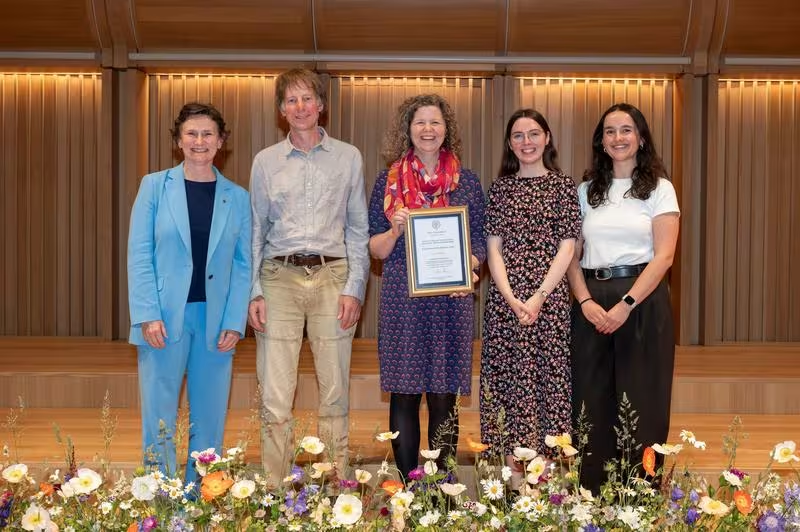
Queen’s College Translation Exchange schools programme
Partnering with schools to raise the profile of language learning and develop inclusive, creative, cultural connections to the University.
Queen’s College
Highly commended:
Comprehensive Oxford Maths and Physics Online School (COMPOS)
A free, long-term access/outreach programme providing mentoring and problem-solving tuition in advanced mathematics and physics.
Department of Physics, MPLS Division
Natural Science and Heritage Scheme
A structured museum-based work experience programme that supports young people to develop and share their passion for the science of the natural world.
Museum of Natural History, GLAM
Finalists:
- Oxford Education Deanery
- Shedding Light.
9. Making a Difference Globally Award: recognising colleagues who have made a difference to the lives of those outside the UK through University resources, expertise or insights.
Winners:
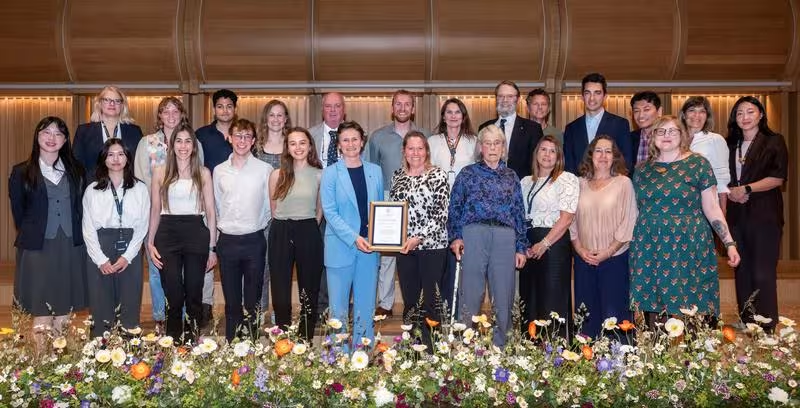
Oxford Crisis Education (OxCRED)
Delivering Oxford-designed online education to university students in crisis-affected areas of the world.
Oxford Lifelong Learning
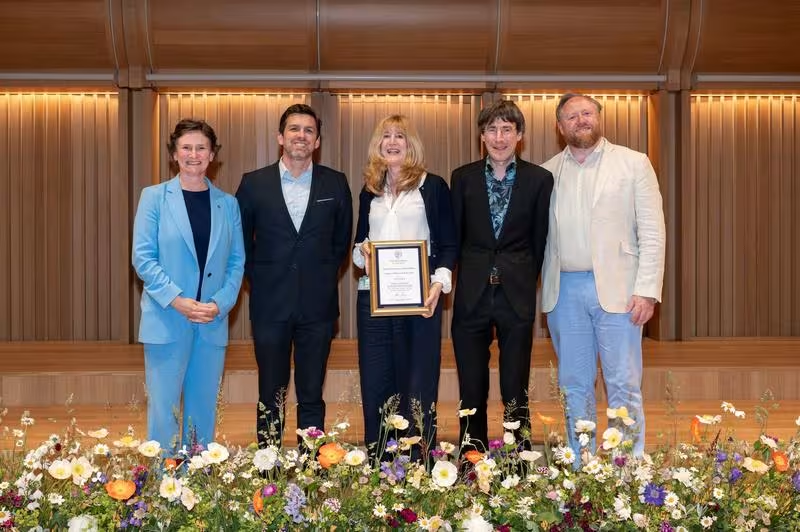
The Wildlife Conservation Research Unit (WildCRU)
Sharing Oxford expertise globally to build local capacity, support equitable livelihoods, strengthen policy, and improve coexistence between people and wildlife.
Department of Biology, MPLS Division
Highly commended:
Equity in Global Cancer Care for Children
A collaborative global health initiative that seeks to ensure children with cancer received equal, high-quality care, regardless of where they lived.
Medical Sciences Division
Finalists:
- The Centre for Global Epilepsy
- The Global Primary Care Team
- After the End.
Colleagues who have demonstrated excellence in supporting and furthering our academic mission.
10. Supporting our Mission Award: recognising colleagues who have made a difference to how we deliver our core mission – with a particular focus on underpinning services.
Winner:
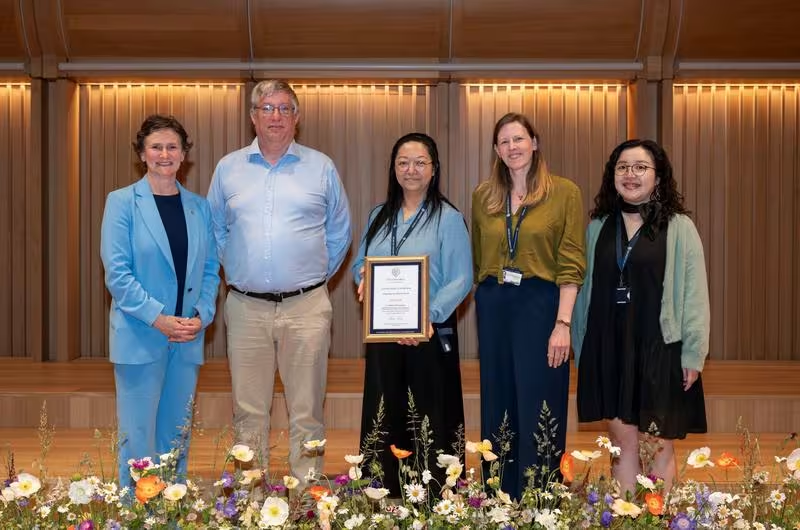
College Right to Work Hub
Implementing a new service that allows students working as casuals to provide 'right to work' documents that can be shared by all Colleges.
People Department, UAS
Highly Commended:
Transforming Audience Engagement Across GLAM
Introducing a shared CRM system to streamline operations, grow audiences and support better engagement across Oxford’s gardens, libraries and museums.
Gardens, Libraries and Museums
Finalists:
- Fire Safety Response Team
- The Stephen A. Schwarzman Centre for the Humanities
- Research Degrees Examinations Management project.
11. Commitment to Equality, Diversity and Inclusion Award: recognising colleagues who role model equality, diversity and inclusion (EDI) through their work, and have made a difference to EDI at Oxford.
Recognising colleagues who role model equality, diversity and inclusion (EDI) through their work, and have made a difference to EDI at Oxford.
Winner:
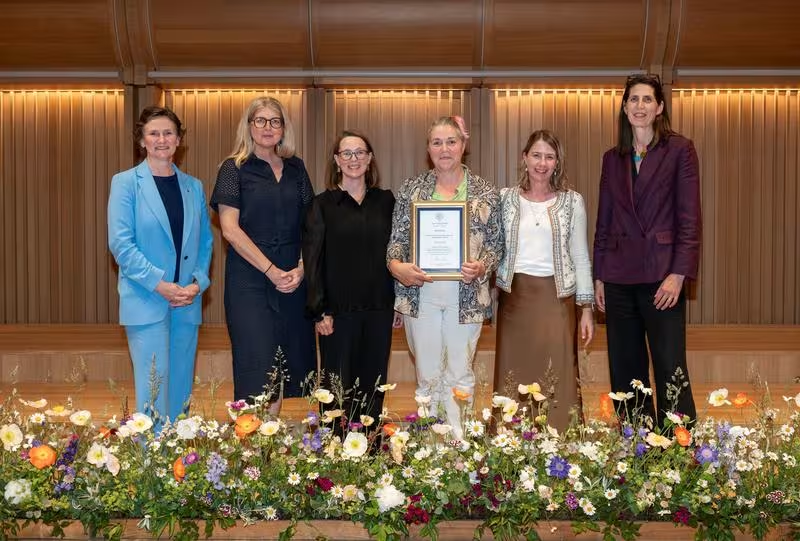
RisingWISE
Broadening mindsets, reframing skills, expanding networks and exploring new career options for women STEMM early career researchers to realise their full potential.
MPLS Division
Highly Commended:
OxAbility
Providing meaningful, accessible work placements that foster career development and confidence for students with health conditions, disabilities, or neurodivergence.
Careers Service, UAS
Finalists:
- Target Oxbridge: Widening Access to Oxford
- Iridescent: Empowering LGBTQ+ Inclusion
- Inclusive Classrooms: Workshop on Identity and Collaborative Learning
- Advancing Trans+ Inclusion Across Oxford.
12. Empowering People Award: recognising those who have made an outstanding contribution to developing colleagues, either an individual or a team.
Winner:
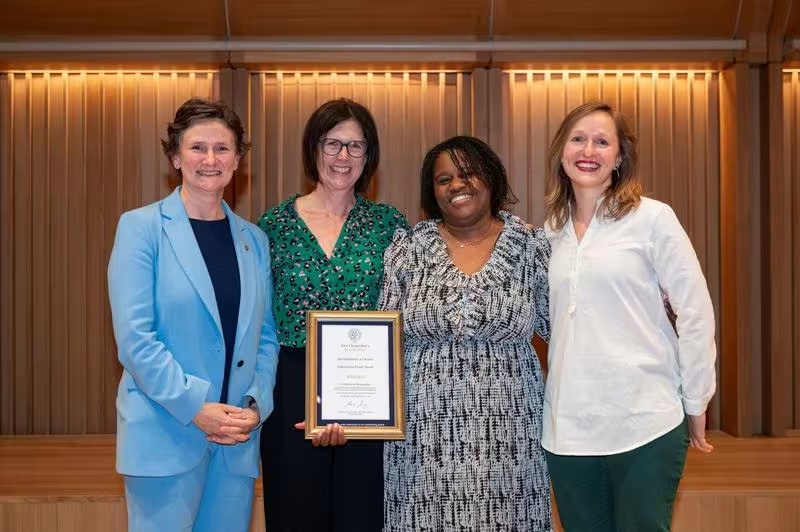
Motherhood at Work
Peer learning circles empowering mothers at work to develop leadership capability, share lived experience, and influence more inclusive workplace cultures.
Highly Commended:
Developing a culture of learning and growth
Celebrating how Oriel College empowers people to grow, gain confidence, and progress through inclusive learning and development opportunities.
The Confident Manager Series
A flexible, modular management development programme designed to build the confidence and capability of managers across the University.
Learning & Organisational Development, UAS
Management In Medicine Programme.
Empowering medical students and healthcare professionals to develop their management and leadership potential.
Green Templeton College
Finalists:
- Leading in Academic Research Environments
Offered to a colleague or team that has demonstrated an exemplary commitment to supporting the University’s mission. The Vice-Chancellor will announce the Award for Outstanding Contribution at the Awards Ceremony.
Winner:
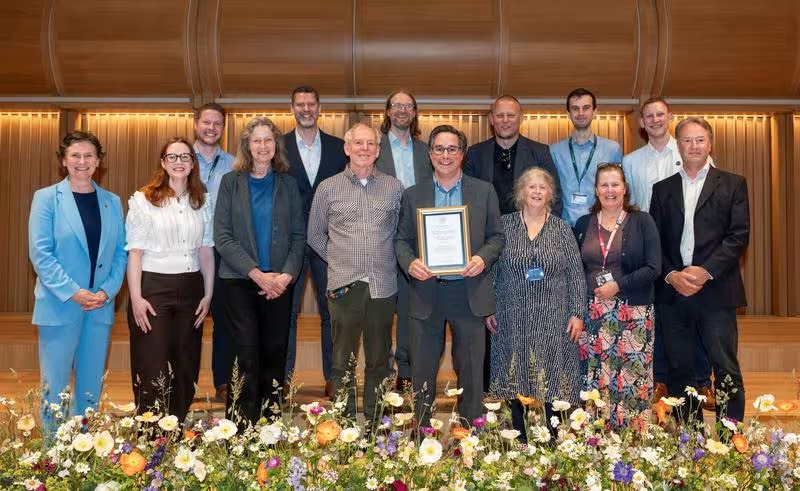
The Stephen A. Schwarzman Centre for the Humanities
Celebrating the cross-University collaboration behind building and opening the Schwarzman Centre on time and on budget.
Previous winners
Congratulations to all the teams and individuals nominated in the 2025 and 2024 awards. Click on the award categories below to find out about the winners and highly commended nominations.
2025 winners
For colleagues who have worked to enhance Oxford’s high-quality education and student experience across the collegiate University:
1. Teaching and Learning Award
Recognising colleagues who have demonstrated a commitment to high-quality teaching and learning for Oxford’s students, in support of improved educational outcomes.
Winner:
Diversity in Death and Dying: Medical Student Museum Experience
A collaboration between the Nuffield Department of Clinical Neurosciences, Faculty of History, Ashmolean Museum and Faculty of Theology & Religion, medical students are immersed in the Ashmolean Museum to use objects and images to interrogate aspects of end-of-life care and are asked to reflect on the challenges presented by this unavoidable part of professional practice.
Highly commended:
Teaching negotiation skills for future public policy leaders
Professor Emily Jones, from the Blavatnik School of Government’s Master of Public Policy programme equips students with negotiation concepts and practical tactics through innovative teaching approaches including case studies and simulations. Through Emily’s teaching, students experience working in public policy and the constant negotiation required: with colleagues, government agencies, partner organisations, and the private sector. Listen to the flash talk.
Finalists:
- Centre for Tropical Medicine and Global Health: Preparing the next generation for outbreak preparedness and response
- Equipping the next generation of Oxford leaders.
2. Innovative Teaching and Assessment Award
Recognising colleagues who have implemented new approaches to education at Oxford.
Winner:
Astrophoria Foundation Year
The Astrophoria Foundation Year offers a year-long, fully-funded programme for UK state school students with severe personal disadvantage and/or a disrupted education. The design of the programme and working across the collegiate University cultivates students’ subject knowledge, supports academic skills development and enhance students’ sense of belonging and self-confidence.
Highly commended:
Empowering decision-making for first year undergraduates
Traditional laboratory work often stifles student engagement with its rigid 'recipe' format. The Chemistry Teaching Laboratory’s innovative curriculum fosters deeper learning by empowering students to make choices from their first term, enabling them to make informed decisions. Enhanced engagement and deeper understanding of the science leads to better preparation for employment.
Finalists:
- Building AI confidence across MSc programmes
- Speaking up in the classroom and beyond
3. Support for Students Award
Recognising colleagues who have supported students' development.
Winner:
Micro-Internship Programme
The Career Service’s micro-internships are short voluntary learning and development opportunities exclusive to our students. Each internship gives them the opportunity to work on a specific project. The aim is to develop employability skills and build networks. Placements can be research-based or professional, with host organisations ranging from research labs to libraries.
Highly commended:
Shaping a new generation of value-driven leaders in global health
A cross-department multidisciplinary team of staff deliver the MSc in International Health and Tropical Medicine. The teaching team developed a Leadership, Management and Communication Training component, blending instructed, self-directed, and peer learning to create value-driven leaders with lifelong-learning competencies and the adaptability to navigate an increasingly challenging global health landscape.
Oxford Graduate Entry Medicine Mentoring Programme
The Graduate Entry Medicine (GEM) Near-Peer Mentoring Scheme provides academic, career and pastoral support for first-year students. Near-peer junior doctor mentors, recruited from the Thames Valley region and Oxford GEM alumni, are trained to offer 1:1, confidential mentoring throughout the academic year, fostering both professional and personal development.
Finalist:
Inclusive, adaptive and transformative support for all students
For colleagues who have undertaken high-quality research and innovation:
4. Research Engagement Award
Recognising those who have enriched their research through engaging with those outside the University, for the benefits of wider society.
Winner:
Engaging stakeholders to build a Kenyan learning health system
An Oxford-Kenya, multi-disciplinary team shared a vision to create a learning health system. They worked with national and local governments, professional associations and regulators, practitioners and patient groups to conduct research and simultaneously improve care reaching 24 hospitals and over 650,000 inpatients. Their unique efforts have been recognised by the World Bank and others. Listen to the flash talk.
Highly commended:
Improving the lives of disadvantaged children in Peru
Young Lives is a longitudinal study of poverty in the Global South. Partnering locally and internationally, it delivers innovative research engagement to enable policy impact. Recent engagement with non-academic stakeholders in Peru has informed congressional debates on children’s right to a basic education and legislative change to prohibit child marriage.
Finalists:
- Advancing fairness in the digital economy
- BReal: Building stress resilience in early adolescents’ lives
- Uncovering Oxfordshire’s ‘dinosaur highway’
5. Innovation and Commercialisation Award
Recognising individuals or teams undertaking research-led innovation or commercialisation.
Winner:
Oxford Semantic Technologies
Oxford Semantic Technologies is an Oxford spin-out company specialising in knowledge graph technologies. It was established in 2017 by three professors from the Department of Computer Science. Building on research prototypes, the company has developed cutting-edge artificial intelligence (AI) technologies. The company was recently acquired by Samsung, who are using its technologies on their smartphones and other devices.
Highly commended:
OxValue: affordable technology valuation
OxValue.AI provides an artificial intelligence (AI)-based, accessible, affordable, objective and accurate technology valuation tool and allows investors, businesses and the governments to better value, assess and acquire technologies. It has market potential, economic benefits and social impacts by supporting small businesses, innovators and small investors and facilitating technology transfer.
Finalist:
The discovery and development of neurodegeneration drug Aqneursa. Listen to the flash talk.
6. Research Culture Award
Recognising those who have contributed to a positive, inclusive and equitable research culture.
Winners:
Embedding positive research culture through Ambassador Programmes
Designed to embed positive research culture in its centre and beyond, the Wellcome Centre for Integrative Neuroimaging’s annual Ambassador Programmes have provided training, support, and recognition for students and staff since 2017. Initially focused on public engagement, the programme has expanded to include open science and EDI and is now running across several other departments.
TORCH Medical Humanities Research Hub
The Oxford Centre for the Humanities (TORCH)’s Medical Humanities Research Hub (MedHum) supports the Humanities Division and social science based research on health and medicine. It highlights the contribution of the humanities to a proper understanding of health, disease, and medicine. MedHum challenges the assumption that cutting-edge medical research and innovation in healthcare are solely the domain of physicians and laboratories.
Highly commended:
Pioneering a new approach to mentoring future researchers
Dr Emma Soneson and Dr Galit Geulayov at the Department of Psychiatry have shown exceptional commitment to supporting students through their leadership in the inaugural NIHR Undergraduate Internship Programme. From crafting three impactful projects, to giving personalised feedback to 429 applicants and providing mentorship that ‘surpassed any expectation completely’, these two have thoughtfully nurtured the next generation of researchers. Listen to the flash talk.
Finalists:
- Careers Advisers for Research Staff. Listen to the flash talk.
- Cross-university Narrative CV support team: recognising diverse contributions. Listen to the flash talk.
7. Breakthrough Researcher Award
Recognises researchers at the early stages of their careers who have made a significant impact at the University.
Winner:
Dr Joshua Bull, Mathematical Institute
Dr Joshua Bull’s research has pioneered innovative mathematical and statistical approaches to tackle some of the most pressing challenges in biology and medicine: analysing large spatially resolved data. His work has led to significant contributions to research across multiple departments in the Mathematical, Physical and Life Sciences and Medical Sciences Divisions.
Highly commended:
Dr Becky Im, Nuffield Department of Population Health
Dr Becky Im has developed a major programme of research into the health effects of alcohol consumption, and is committed to engaging the public and policy makers to improve public health. She has led initiatives to promote an inclusive research environment, and to support professional development, among students and researchers.
Catherine Jenkinson, Faculty of History
As the postdoctoral researcher on ‘(Hi)stories of Violence: Myth-making, Imprisonment and the Cultural Identity of the Tower of London’ between the Humanities Division, Historic Royal Palaces and the Royal Armouries, Dr Catherine Jenkinson has provided an outstanding model of cross-sector, collaborative working to achieve significant impact at the University and beyond. Listen to the flash talk.
Dr Sara Ratner, Department of Education
Dr Sara Ratner is a Research Officer in the Department of Education who has made a significant impact across the University (and globally). At Sara’s initiative, the AI in Education at Oxford University (AIEOU) Interdisciplinary Research Hub was established attracting more than 700 collaborators from around the world in its first month.
Dr Maxime Taquet, Department of Psychiatry
Dr Maxime Taquet has led research leveraging electronic health records to answer important questions in brain health, from demonstrating the dementia-reducing effects of the shingles vaccine to uncovering the potential of GLP-1 drugs (such as Ozempic) in addressing memory issues and addiction. He has also mentored others in advancing this innovative work. Listen to the flash talk.
For colleagues who have demonstrated excellence in supporting and furthering our academic mission:
8. Local Community Engagement Award
Recognising those who have worked to make a positive different to the lives of individuals and communities in Oxfordshire.
Winners:
Oxford Young Sport Leaders Programme
The Oxford Young Sport Leaders Programme (OYSLP), run by the Oxford SDG Impact Lab, connects local schools with the University through sport and education. Featuring inclusive sports, workshops led by academics, access to University facilities, and mentoring by University students, OYSLP fosters belonging, develops skills, and builds bridges between the University and local communities.
Trinity College: Outreach and access in Oxfordshire
Trinity College has special responsibility for outreach in Oxfordshire under the University’s regional outreach strategy. Since 2018, the Access Team at Trinity has developed a comprehensive outreach programme involving teachers, students and parents, which engages children from primary school age upwards.
Highly commended:
Cultural Democracy: The Leys Festival 2024
Oxford University Cultural Programme collaborated with over 60 members of the Leys community to co-create The Leys Festival. The festival took place in Blackbird Leys Park in July 2024 with over 4,000 people in attendance. The theme of the festival was ‘One people, One place: Building Bridges’. A short summary film is available to watch: Leys Festival, Oxford | 2024.
Finalist:
Discover & Create: mental health support for young people.
9. Making a Difference Globally Award
Recognising colleagues who have made a difference to the lives of those outside the UK through University resources, expertise or insights.
Winners:
The Maasai Living Cultures Project
A collaborative project between the Maasai community and Pitt Rivers Museum, aimed at building trust and addressing concerns about the portrayal of Maasai culture in museums. It aims to foster knowledge exchange and collaboration between both parties and build relationships based on respect, trust and deeper understanding. Listen to the flash talk.
Building sustainable paediatric surgical capacity
Professor Kokila Lakhoo at the Nuffield Department of Surgical Sciences has led a two-decade collaboration to develop sustainable paediatric surgical services in Tanzania. This work in capacity building, infrastructure development, training, and research has ensured thousands of children now receive life-saving surgical care locally, creating a replicable model for healthcare capacity building globally. Listen to the flash talk.
Highly commended:
Advancing global poverty eradication using a multidimensional approach
The Oxford Poverty and Human Development Initiative (OPHI)’s pioneering work using a Multidimensional Poverty Index significantly contributed to tracking and advancing global goals on poverty eradication, particularly in developing nations. By strategically expanding its transnational network of partners, OPHI increased capacity and empowered local and global leaders to step up poverty reduction efforts for marginalised communities.
Finalists:
Helping to end the death penalty in Africa. Listen to the flash talk.
10. Supporting our Mission Award
Recognising colleagues who have made a difference to how we deliver our core mission – with a particular focus on underpinning services.
Winner:
MyOxford student app
MyOxford is an app transforming the student experience. The team worked to consolidate over 500 systems and resources across the collegiate University into a single portal, offering seamless access to the services that students need. It simplifies the navigation of a fragmented institutional landscape, enhancing student equality and accessibility.
Highly commended:
Supporting a ‘One Team’ culture at the Nuffield Department of Medicine
Working as a cohesive group, the NDM One Team Champions have implemented activities to build a culture that recognises the importance of inclusive collaboration, instils a sense of community and is supportive to improve efficiency of processes and the wellbeing of its professional services staff. Listen to the flash talk.
Operationalising GLAM's carbon footprint data
GLAM (Gardens, Libraries, and Museums) has developed a comprehensive data model to capture and automatically calculate its carbon footprint across all three carbon scopes (including utilities, purchasing, travel, waste). By automating the process of collecting and calculating its carbon emission, the model allows the team to track its progress and ensure it remains on target. Listen to the flash talk.
Finalists:
- Digitalising the Chancellor's election. Listen to the flash talk.
- Finance Community: collaborating, learning, and sharing best practice
- Working across traditional boundaries - the Oxford Cancer team.
11. Commitment to Equality, Diversity and Inclusion Award
Recognising colleagues who role model equality, diversity and inclusion (EDI) through their work, and have made a difference to EDI at Oxford.
Winner:
Department of Psychiatry Race Equality Working Group
Within the Department of Psychiatry, the Race Equality Working Group have led multiple initiatives to improve equity and inclusion for racialised staff and students, and a Race and Psychiatry Journal Club to promote academic discussion on issues of race and ethnicity in psychiatric research. Listen to the flash talk.
Highly commended:
Developing a culture of equality, diversity and inclusion
Professor Siân Grønlie of St Anne’s College and the Faculty of English’s outstanding EDI work has a clear purpose and rationale: to enable all students to do well and feel that they belong, and to encourage staff in the college and University to do the same. Siân doesn’t just talk about EDI; she takes action and leads by example.
Finalists:
- Economics of Diversity Series. Listen to the flash talk.
- Inclusive leadership and inspiring EDI commitment. Listen to Professor Matt Jarvis' flash talk.
- Inclusive recruitment and training for Ashmolean Visitor Experience Assistants. Listen to the flash talk.
- Mansfield College: Widening student access and outreach. Listen to Professor Siân Grønlie's flash talk.
Offered to a colleague or team that has demonstrated an exemplary commitment to supporting the University’s mission.
Winner:
Uncovering Oxfordshire’s ‘dinosaur highway’
After an Oxfordshire quarry worker stumbled upon dinosaur footprints, Oxford University Museum of Natural History sprang into action, spearheading an intense seven-day excavation. This uncovered the world’s fifth longest dinosaur trackway, with 200 footprints meticulously documented for research. Through global media outreach, events, and exhibitions, public excitement was sparked worldwide. Listen to the flash talk.
2024 winners
Recognising groups of colleagues who have supported students' development.
Winner:
Heritage Pathways: supporting student development through training and sector engagement – Humanities Division
Since 2015, The Humanities Division’s Heritage Partnerships Team has been developing an extensive training and development programme for students and early career researchers to provide the skills, knowledge and confidence to engage effectively with external heritage partners in what is a notoriously competitive sector. Through a range of training opportunities internships, doctoral placements the programme encourages participants to understand their research in a wider context and gain valuable professional experience.
Highly commended:
Promoting a 'value added' culture in an undergraduate programme – Regent's Park College
The Regent’s College History cohort is consistently over 90% state school, and with over half of its students coming from backgrounds flagged with widening participation characteristics. Over the last five years 47% of its historians have gained Firsts in their finals. The college has achieved this through a holistic approach to education, centring welfare, academic enrichment classes which go beyond the standard curriculum, and a culture which emphasises inclusivity and collective support as well as individual ambition and independent thinking.
Finalists:
- Hertford Library: the heart of student support – Hertford College
- Oxford SDG Impact Lab – Oxford Department of International Development
- Somerville Skills Hub: delivering academic, wellbeing and careers support – Somerville College
- Supporting disabled student inclusion through creation of accessible resources – Accessible Resources Unit, Bodleian Libraries
- Tailored Sold Support Pathway and Student Support Plans – Student Welfare and Support Services, and Centre for Teaching and Learning
Recognising groups of colleagues who have implemented new approaches to education at Oxford.
Winner:
North Korea Crisis Simulation, Master of Public Policy (MPP) – Blavatnik School of Government
The Blavatnik School’s students must be prepared to make high-stakes decisions in difficult circumstances, and the North Korea Crisis Simulation is a course that prepares them for this. In June 2023, 48 Master of Public Policy students worked intensively to navigate a complex economic, political, and military scenario in the North Korea Crisis Simulation. By combining structural features of a ‘war-game’, which is then conducted under time-pressure, students have not just an immersive learning experience, but experience a level of agency which is otherwise unachievable in a conventional teaching context.
Highly Commended:
A comprehensive self-directed online course in statistics for everyone – Nuffield Department of Population Health
Developed by a team of staff and students across the Medical Sciences Division, this fully online and self-directed statistics course increases capacity for statistical training. Fundamentals of Statistical Software and Analysis provides self-directed learning materials, including over 65 videos that span over 40 different statistical techniques, all available in R, SPSS or Stata. Within a week of opening there were over 60 students registered, with over 350 registrations a year later. Alumni leaving Oxford have since asked to translate the course into other languages to use on other continents.
Finalists:
- Blocking Biochemistry: an innovative immersive approach to teaching and learning – Department of Biochemistry
- First augmented reality experience in MBA course worldwide – IT Services, Saïd Business School and Department of Computer Science
Recognising groups of colleagues who have adopted approaches that make teaching more inclusive for different groups of students.
Winner:
Digital Synergy: Unleashing dynamic and inclusive anatomy education – Department of Physiology, Anatomy and Genetics (DPAG)
The Department of Physiology, Anatomy and Genetics team created a diverse range of teaching initiatives using immersive technologies to support their students. This included virtual reality and digital resources such as 3D software tools, touch screen devices, and H5P-based Canvas materials - all aiming to enhance students’ learning by reducing barriers that could hinder their engagement in anatomy learning. Student feedback has been incredibly positive, and the nomination outlined the collaborative team working practices across various skills and knowledge from different departments and alignment with the university's Digitally Supported Inclusive Teaching Toolkit.
Highly commended:
Training conservation scientists and practitioners from around the world – Department of Biology
The Post Graduate Diploma in International Wildlife Conservation Practice run by the Wildlife Conservation Research Unit aims to train conservation biologists and practitioners from the Global South and furbish them with useful skills and cutting-edge techniques. The team brings colleagues from these regions to train and learn in Oxford, enabling them to make an impact in their home regions. They focus on the most talented and least privileged applicants, who would not normally have the opportunity to attend a world-class university.
Diversifying the curriculum in Biblical Studies at Oxford – Faculty of Theology and Religion
A new paper in New Testament studies, first offered in 2021 and provocatively entitled ‘Why Women, the Environment, Colonisation, and Black Lives Matter to New Testament Interpretation’ invites students to think critically and carefully about how perspectives and approaches can determine our interpretation of a biblical text. The teaching team at the Faculty of Theology and Religion diversified the curriculum, by intentionally including scholars and teaching approaches in the classes. The class format also enables students with diverse learning needs, especially students with Student Support Plans.
Finalist:
Diversification of assessments in Sleep Medicine – Nuffield Department of Clinical Neurosciences
Recognising those who have enriched their research through engaging with those outside the University, for the benefits of wider society.
Winner:
REACH: improving water security for vulnerable people in Africa and Asia – School of Geography and the Environment
Since 2015, Oxford has led a global programme of research with partners in governments, universities, civil society organisations and UNICEF to improve water security for 10 million poor people by 2024. Through respectful and inclusive partnerships, major advances have been achieved in delivering safe and reliable drinking water for communities, health clinics and schools, understanding and responding to floods and droughts in East Africa and Bangladesh, and addressing river water pollution in Ethiopia.
Highly commended:
Influencing the design and implementation of biodiversity net gain in England – Department of Biology
Producing guidance for local authorities and engaging with them extensively; presenting to private committees in Parliament; and working with businesses, people experiencing new housing developments and farmers to put research in to practice - the team from the Department of Biology have informed the public and influenced the policy development at both national and local levels for one of the world’s most innovative new ecological policies, Biodiversity Net Gain in England.
‘Your Amazing Brain’: A university and regional museum partnership – Wellcome Centre for Integrative Neuroimaging and Banbury Museum
‘Your Amazing Brain: A User’s Guide’ is a multi-year collaboration between the Wellcome Centre for Integrative Neuroimaging and Banbury Museum, culminating in a family friendly neuroscience exhibition and accompanying events programme that travelled to Discover Bucks Museum in Aylesbury and is on long-term loan to the Rumble Museum at Cheney School.
Finalists:
- Building sustainable relationships with local Bangladeshi and Pakistani communities – Department of Psychiatry
- Collecting COVID Project: Public and community engagement with research – History of Science Museum and Bodleian Libraries
- Funder co-ordination for clinical trial pandemic preparedness policies – Global Research Collaboration for Infectious Disease Preparedness Research & Policy Team, Pandemic Sciences Institute
- Sensing volcanoes: public and community engagement with volcanic risk – Department of Earth Sciences, University of Oxford; University of East Anglia; University of the West Indies Seismic Research Centre and the Montserrat Volcano Observatory
Recognising individuals or teams undertaking research-led innovation or commercialisation.
Winner:
The R21/Matrix-M Malaria vaccine clinical development programme – Nuffield Department of Medicine
The R21/Matrix-M Malaria vaccine is the first example, that we are aware of, where a vaccine has been directly licensed by a university to a large-scale manufacturer (rather than a spinout, a biotech or pharma company). The Nuffield Department of Medicine’s R21/Matrix-M Malaria Vaccine Clinical Development Programme’s success provides a superb example of innovation and strategic commercial partnering for large scale manufacture and impact with the University leading the clinical development, providing a new high efficacy low-cost product for saving the lives of millions of African children and supporting eventual malaria eradication.
Highly commended:
Refeyn – Development and commercialisation of mass photometry: single molecule mass measurement
Refeyn is a spinout from the Department of Chemistry based on a completely novel approach for weighing molecules using light scattering which emerged from more than a decade of fundamental research in ultrasensitive light microscopy and mass measurement workflows for biomolecules. It has raised close to $100M, employs 180 worldwide, and has sold 250 instruments with more than 100 papers published annually that leverage the technology.
The global dissemination of effective psychological treatments – Department of Psychiatry
Disseminating psychological treatments is not straightforward as they require well-trained therapists to deliver them. The team from the Department of Psychiatry have developed digital training, freely available to eligible therapists worldwide, and digital treatment through app-based cognitive behavioural therapy which is being piloted in the NHS.
Finalists:
- Brill Power – Making batteries better
- Improving global epilepsy diagnosis through interdisciplinary research and technologies – Epilepsy Pathway Innovation in Africa, and the Oxford Martin Programme on Global Epilepsy
Recognising those who have contributed to a positive, inclusive, and equitable research culture.
Winner:
Improving research culture in the Nuffield Department of Orthopaedics, Rheumatology and Musculoskeletal Sciences (NDORMS), Oxford, and in the UK – Anjali Shah
Anjali Shah has advocated for and represented Research Staff and helped to introduce policies to support researchers locally in the Nuffield Department of Orthopaedics, Rheumatology and Musculoskeletal Sciences, and the wider University, as well as at the national level with the UK Research Staff Association and the Wellcome Trust. She has been involved with the Researcher Development Concordat, the Reimagining Research Culture project and chaired the Oxford Research Staff Society.
Highly commended:
‘The Hitchhiker’s guide to a Happier Lab’ – Wellcome Centre for Integrative Neuroimaging
A Lab Handbook is a document outlining a team’s ethos: its culture, expectations, and opportunities to provide all members with a consistent message on how the team operates. Building on their own experience the team at the Wellcome Centre for Integrative Neuroimaging created open writing resources and material to communicate the concept to a global research audience.
Developing an Ethical Fieldwork Code of Conduct for Oxford University – School of Geography and the Environment
Driven by anti-racist activism by a collective of graduate students in the School of Geography and the Environment the Ethical Fieldwork Code of Conduct provides a framework for helping fieldworkers across disciplines, methods, country context, and career stages improve equity in their fieldwork processes.
Finalists:
- Growing an inclusive research team at the Pitt Rivers Museum
- Hope into Action: Social Sciences Impact Conference 2023 – Research Impact and Engagement Team, Social Sciences Division
- X-NET: Removing barriers for collaborative & inclusive interdisciplinary research – Oxford University (Weatherall Institute of Molecular Medicine and the Kavli Institute); University of Edinburgh; University of Aberdeen; University of Dundee
Recognising colleagues who have partnered with others to make a positive difference locally, nationally or globally.
Winners:
Inclusive programming for adults with learning disabilities in the University of Oxford’s Gardens, Libraries, and Museums (GLAM)
Adults with Learning Disabilities are some of the most vulnerable, isolated and under-represented people in society, Engagement staff at the University of Oxford’s Gardens, Libraries, and Museums (GLAM) division address this gap with a free, regular and comprehensive programme in a holistic and friendly environment. The initiative was developed collaboratively with the community itself, empowering individuals to access GLAM’s seven venues and collections with confidence.
Supporting young people from African families in accessing science capital – History of Science Museum and Mathematical, Physical and Life Sciences (MPLS) scientists
This collaboration saw colleagues from a number of University departments working with community group African Families in the UK to support young people of African and black Caribbean heritage to enjoy science and build cultural connections. Based in Blackbird Leys, one of the 20% most deprived wards in the country, the project included a programme of events and workshops at the History of Science Museum, the University’s science facilities, and other sites – helping those from migrant families to develop and build confidence and self-esteem, and bring them closer to the scientific community.
Highly commended:
Tackling childhood malnutrition in Oxfordshire: From grassroots to policy actions
This community partnership brought together 65 stakeholders from community groups with policymakers and academics at a series of roundtable meetings to discuss poverty and food insecurity in Oxfordshire. They started a multidisciplinary dialogue about tackling income and food inequalities, and ensuring that every child in Oxfordshire has access to nutritious, affordable food every day. The meetings catalysed actions at local and national level, with the team feeding into the key local projects and policies in Oxfordshire, and engaging in national policy and advocacy dialogues as a result of this work.
Finalists:
- Africa Oxford Initiative: Transformational impact via pan-university partnerships with African institutions (Winner of the Vice-Chancellor's Award for Outstanding Contribution)
- Global Leadership Challenge: Empowering the next generation of responsible leaders – Department of Politics and International Relations
- Ten-Minute Book Club – English Faculty
Recognising professional and administrative staff who support the University's academic mission through delivering effective professional services.
Winner:
Innovative leadership in transformation and delivery of Professional Services – Lesa Levett, Nuffield Department of Women's and Reproductive Health (NDWRH)
Lesa Levett is Head of Administration and Finance at the Nuffield Department of Women's and Reproductive Health. Since her appointment, Lesa has been the driving force for change. Among other things she has introduced a new behaviour charter, biweekly pulse surveys, measures to promote mental health, service reviews and project management tools, and new staff development opportunities. Always leading by example, Lesa’s innovative leadership has transformed the operational delivery and culture of the department.
Highly commended:
Resilience and professionalism under challenging circumstances – Cassie Sprules, Undergraduate Admissions and Outreach, University Administration Services (UAS)
Cassie Sprules in the Undergraduate Admissions and Outreach in the UAS experienced significant disruption to Oxford’s undergraduate admissions tests this year. In the most stressful of circumstances, Cassie remained calm, and supported the UAO team to provide effective customer service to candidates and their supporters who contacted the University. She was truly remarkable and an outstanding example to her colleagues, and without her level-headedness, bravery and resilience, the situation would have been so much worse.
Supporting a healthy environment for University staff and students – Occupational Health team, University Administration Services (UAS)
The University Occupational Health Service has worked tirelessly to improve its service. Among other things, the team has offered proactive training through the Confident Manager and Wellbeing at Oxford programmes; implemented a new ‘case conference’ approach to those with complex health needs; migrated to a new IT platform; developed a new Ill-Health Early Retirement process; hosted the staff counselling service pilot and supported the roll-out of the University’s Employee Assistance Programme. This has led to significant performance improvements and reduced wait times.
Finalists:
- Continuous improvement and collaborative working – Graduate Admissions team, UAS
- Cross-departmental collaborative partnership undertaking HR service review – NDORMS and the Department of Paediatrics
- Planning the shared building operations model for the Life and Mind Building – Biology and Experimental Psychology teams
- IT Professionals working together to deliver IT & AV systems for Reuben College and GLAM
Recognising colleagues who have furthered work to support the University’s Environmental Sustainability strategic goals and commitments.
Winner:
Global Youth Climate Training – School of Geography and the Environment
Global Youth Climate Training is a partnership between the Smith School of Enterprise and the Environment, the Global Youth Coalition and Eco Interpreters. Through 13 free fortnightly training sessions, the team educated 4,500 activists under the age of 35 from over 177 countries. The training empowered young people around the world with the knowledge and skills to navigate and engage effectively with climate change. There were more than 10,000 applications for the free training, the majority of whom were from areas most impacted by climate change.
Highly commended:
‘Everything is Connected’ season – Cultural Programme, Humanities Division
'Everything is Connected' was a two-month programme of events from the Cultural Programme in the Humanities Division. It gave an opportunity for the public to engage in academic research focusing on the environment and the challenges facing humanity. Activities included an installation that translated words into birdsong to highlight the precarity of species of birds being pushed to ‘pollution pods’ that allowed people to experience the quality of air in some highly polluted cities. In total, 8,000 people took part in the 38 events offer the course of the season.
Finalists:
- Advancing cycle safety through the Vision Zero Working Group – Ed Wigzell, Environmental Sustainability team, Estates Services
- Biodiversity friendly futures for the highlands of Ethiopia – Wildlife Conservation Research Unit (WildCRU), Department of Biology
- Driving multiple colleges’ sustainability progress – Peter Nitsche-Whitfield, Lincoln College
- Supporting prospective international undergraduate applicants sustainably – Undergraduate Admissions and Outreach team, UAS
Recognising colleagues who role model equality, diversity and inclusion (EDI) through their work, and have made a difference to EDI at Oxford.
Winner:
‘We Are Our History’ project – Bodleian Libraries
‘We Are Our History: Towards Racial Equity’ is a project that helps the Bodleian Libraries to take a close look at its collections, its work with audiences, and its staffing through the lens of race and the legacies of the British Empire. The aim is to make recommendations for improvements in a range of areas covering collections, audiences and staffing – supporting the Bodleian’s commitment to actively foster inclusion and diversity in everything it does.
Highly commended:
Medical Sciences Division Inclusive Leadership Programme
The Medical Sciences Division has developed an Inclusive Leadership Programme that trains Oxford Principal Investigators and professional services leaders to become more inclusive, transparent, and supportive leaders. Through a series of training sessions and workshops to nurture leadership skills for fostering inclusive and equitable environments. The programme has six in-person skills sessions, three group sessions of action-oriented problem solving, and a personal 360° feedback review. Participants also undertake a tailored inclusion project.
Athena Swan Self-Assessment Team Gold Award – Nuffield Department of Primary Care Health Sciences (NDPCHS)
In March 2023, the Nuffield Department of Primary Care Health Sciences was the first in the University of Oxford to be successfully awarded Athena Swan Gold award. This gold award is the result of over a decade of work from the departments’ Athena Swan lead and the Self-Assessment Team which reflects the department’s commitment to representation, progression and success for all. It acknowledges the innovative, inclusive policies and practices developed across the department and the detailed action plans for improvement.
Commitment to Equality and Diversity in Data Science – Sara Khalid, Nuffield Department of Orthopaedics, Rheumatology and Musculoskeletal Sciences (NDORMS)
This is an individual award for Sara Khalid, of NDORMS. As an associate professor of health informatics and biomedical data science, Sara leads research to promote health equity for minority ethnicities, groups with rare conditions, and populations from the global south. She has been an ambassador for the global network of Women in Data Science and has participated in various activities to encourage others to reach Oxford, inspired by her experiences as the only woman engineer from Pakistan to become a Rhodes Scholar and then an Oxford academic.
Finalists:
- Championing EDI and role-modelling best practice – Fadi Issa, Nuffield Department of Surgical Sciences
- Increasing African student representation in Oxford's postgraduate studies – The Oxford Africa Society / Africa Oxford Initiative
- ‘Taboos and Transitions’ seminar – Dr Sarah Cullinan-Herring, Faculty of Classics.
warded to a colleague or team that has demonstrated an exemplary commitment to supporting the University's mission.
Winner:
Africa Oxford Initiative
The Africa Oxford Initiative is dedicated to partnering with Universities across Africa, to increase educational opportunities for students from the continent, boost employment opportunities and support new partnerships.
For eight years, it has worked at individual, institutional and regional level in Education, Research and Innovation – with a string of successful placements, courses and grants for African students and staff.
It was nominated in two categories in this year's awards – in the Community Partnerships category, and jointly with the Oxford Africa Society for in the Support for Equality, Diversity and Inclusion category for its work increasing representation in Oxford's postgraduate studies.
The Vice-Chancellor praised the team for the way the team has worked tirelessly, collaboratively and in a sustained way over several years to make a positive difference in pursuit of the University's academic mission.
Awards before 2024
Before 2024, a range of separate Vice-Chancellor’s Awards were in place, focused on specific specialist areas. You can find more information on the following pages: