Features
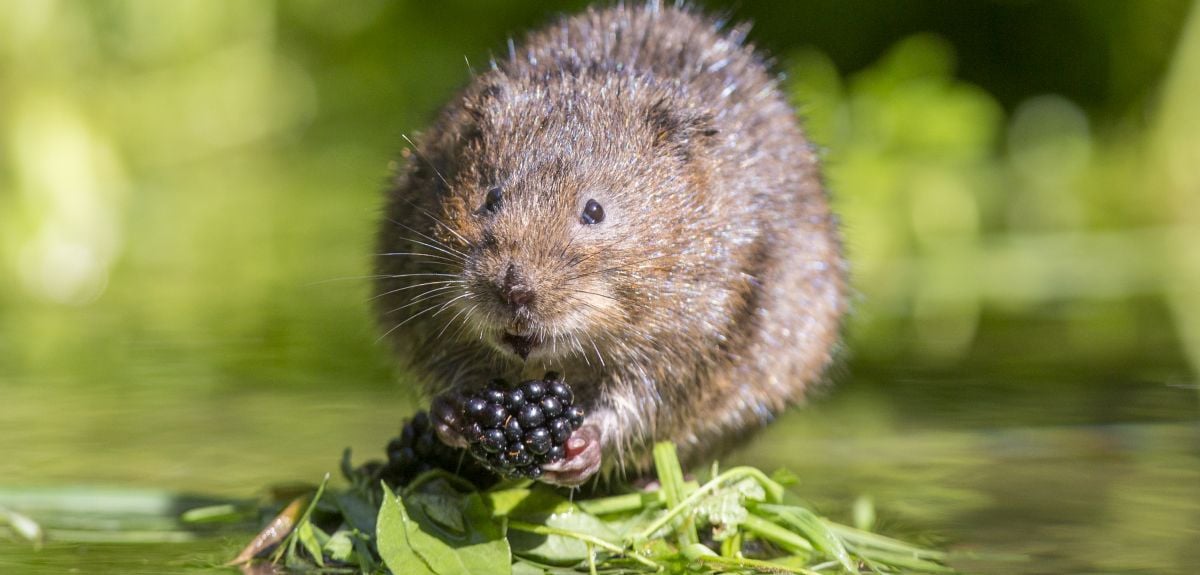
Professor David Macdonald and Dr Merryl Gelling of Oxford’s Wildlife Conservation Research Unit (WildCRU) discuss recent work which questions the efficacy of the mitigation technique and looks at ways to better protect one of Britain’s most endangered wild mammals, the water vole.
The water vole, forever immortalised as ‘Ratty’ in Kenneth Grahams’ classic tale Wind in the Willows, was formerly a common sight on waterways throughout mainland Britain. However, catastrophic declines due to invasive American mink combined with habitat loss and fragmentation have resulted in the water vole now being considered one of Britain’s most endangered wild mammals. As such, water voles and their burrows are fully protected under the Wildlife and Countryside Act. Despite these measures, development works affecting the bankside have created an additional pressure on remaining populations and while we might hope Toad is safe in Toad Hall, Ratty has been in peril. However, our research, conducted in collaboration with Natural England, Mammal Society and PTES, amongst others, offers a simple, practical solution.
Natural England created a licence to permit intentional disturbance of water voles - with the idea of giving the voles a chance to move to safety before development work begins. This involved encouraging the voles to relocate by removing any riverside vegetation, and then, once they were thought to be safely out of harm’s way, strategically destroying their burrows to prevent the animals’ return. Such activities, which are intended to conserve the water voles while enabling approved development, are licensed between mid-February and mid-April and must not exceed 50m of bankside length.
However, while the goal of the approach is to displace the animals, our research found that the voles had other ideas. Radio-tracking water voles subjected to this procedure found that they often steadfastly stayed put.
These findings, published today in Conservation Evidence, revealed no overall movement of water voles out of areas where displacement works had occurred. On the contrary, many voles remained faithful to their burrows. The guidelines had always insisted that destruction of burrows should be undertaken cautiously and only during spring, in the hope of saving the lives of any water voles remaining. However, that was in the expectation that at most, only a few bankside denizens would stubbornly refuse to shift. Now it seems the majority stand firm, shifting the balance of risks. This behaviour does not alter between spring and autumn, when vole populations are at their highest.
While labour intensive, the solution proposed in our study - which includes careful excavation of burrows left exposed by vegetation, and then removing the water voles by hand, is worth the effort. With this vole-sensitive and life-saving approach, we believe the displacement method can be a pragmatic and proportional solution for small-scale developments where water voles are present.
Water voles often remained in their burrows after vegetation removal, highlighting the need for burrow excavation to proceed with caution to allow animals to relocate prior to development works starting. There was no difference in behaviour in either spring or autumn, suggesting that works under this licence could occur outside of the current mid-February to mid-April window, potentially reducing costly delays for development works.
It's a particular pleasure to have been able to work with the government’s statutory agency, Natural England, to solve this practical problem, along with leading wildlife charities – a splendid example of all pulling together, and now we hope and expect developers will follow suit.
Not to exhaust the Wind in the Willows reference, but, Toad is in a mess too. However, that’s another story, and one we are busily researching.
The research was carried out in the Upper Thames region and predominantly funded by a partnership between Natural England, Peoples’ Trust for Endangered Species, The Mammal Society, Universities Federation for Animal Welfare, and Thames Water, with additional support from M&H Ecology Ltd, RSK Ltd, Arcadis, ERM Ltd, Ecosulis and the Environment Agency.
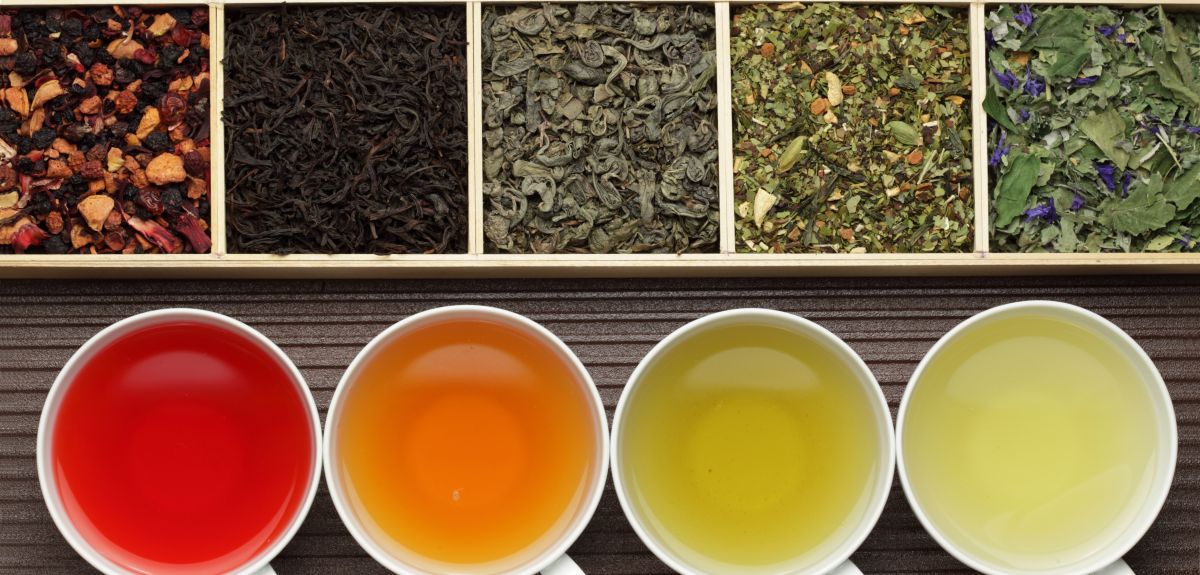
How, through the simple, everyday act of drinking a cup of tea, can we explore links to the history of empire, trade and transatlantic slavery? A new Oxford-based project aims to address this question.
Myfanwy Lloyd is a part-time tutor at Oxford's Department of Continuing Education who otherwise works as a freelance historian and museum consultant. Angeli Vaid specialises in heritage and community outreach projects. Along with two Oxford history DPhil students, Elisabeth Grass and Mimi Goodall, they are working with a host of local partners on a project inspired by the Ashmolean Museum's collection of 18th-century porcelain.
What could be discovered from putting these objects into their proper social context? How far have our tea habits in Britain been driven by the transatlantic slave trade and colonialism? From the tea itself, imported via Britain's colonial trade links, to the porcelain and ceramics imported from China, to sugar, the result of exploitation and slavery.
 A Wood's Ware 'Beryl' style teacup and saucer, 1940s/50s.
Image credit: Fran Monks
The aim of the 'A Nice Cup of Tea' project is to work with local community members to explore the complex legacy of empire, transatlantic slavery and trade, particularly in relation to Oxford city and Oxford University. There are five interwoven strands to the programme:
• Tea Party: a community tea party involving a pop-up exhibition, readings and discussions
• Tea Chest: producing a 'handling collection' of historical and contemporary artefacts to stimulate discussion and creative work in schools
• Tea Shop: a community-led and curated temporary exhibition at the Ashmolean Museum
• Tea Table: a forum to debate the legacy of slave trade and empire with events at the Pitt Rivers Museum
• Tea Tales: creative and artistic performances by young people and community groups exploring the theme
As part of the project's wide-ranging and varied events calendar, A Nice Cup of Tea is linking in to Oxford's History Faculty's annual 'teach-in' on the theme of 'commemorating the Windrush experience'. This year's teach-in is designed to bring alive the experience and impact of the Windrush generation and its descendants. This event will split into four sessions, focusing on 'Windrush and calypso', 'Windrush and literature', 'post-war Asian migration' and 'Oxford's Windrush generation'.
One of the first events is on Sunday 1 July, when A Nice Cup of Tea will be running a community tea party as part of the Oxford Festival of the Arts' 'Around the World in Eight Nations' day, including a pop-up exhibition based on research by Mimi Goodall and Elisabeth Grass. Interspersed throughout the tea party will be poetry and song.
These events are part of a larger suite of commemorative events being coordinated by the African Caribbean Kultural Heritage Initiative, Oxford City Council, the Pitt Rivers Museum, and Oxford's History Faculty.

Prof Paul Newton, Head of the Medicine Quality Group at the Infectious Diseases Data Observatory (IDDO), explains the need for new strategies for tackling poor quality medical products.
The proliferation of poor quality medical products (medicines, vaccines and devices) is an important but neglected public health problem, threatening millions of people all over the world, both in developing and wealthy countries. A recent report from the World Health Organization found that an estimated 1 in 10 medicines in low- and middle-income countries were falsified or substandard. Falsified diazepam found across Scotland has been reported as being “cheaper than chips”.
Falsified and substandard medicines, which may have the incorrect or wrong dose of pharmaceutical ingredients, or no active ingredients at all, may result in death, prolonged illness, side effects or loss of trust in healthcare systems; for antimicrobials they are also likely to be a key driver of antimicrobial resistance (AMR).
Our ability to tackle the issue is hampered by its complexity. Criminals are becoming more sophisticated, using the internet as well as offline pharmacies for distribution, creating falsified medicines and working across geographical boundaries and in countries with varying legislation and levels of enforcement. Errors in factories without sufficient quality control results in substandard medicines, often containing insufficient ingredients, that because they look genuine are hard to detect.
The issue affects a broad range of stakeholders from individual patients, pharmacists and medicine regulatory authorities to the pharmaceutical industry and law enforcement agencies. We need to better understand the scale of the problem, raise awareness and encourage interventions and support so that every country has a functional medicine regulatory agency to ensure that we all have access to medicines we can trust.
This year we are holding a pioneering conference to bring leading professionals from all over the world to Oxford to discuss strategies for tackling poor quality medical products on a global scale.
The conference will be an important opportunity for the diverse stakeholders involved in medicine quality and regulation to come together within the framework of a dedicated academic conference to share ideas and expertise. One of the event’s key objectives is to develop a consensus statement to be widely disseminated to interested parties and policy makers, forming the basis of a coordinated global effort to tackle poor quality medical products.
The Medicine Quality & Public Health Conference (#MQPH2018) will provide a unique opportunity for medicines regulatory authorities, health workers, scientists, pharmacists, sociologists, economists and international organisations to discuss the problem and outline the necessary steps to address this important issue.
The Conference is expected to attract leading authorities from all over the world, including representatives from a diversity of organisations in low and middle income countries, where the issue of poor quality medicines is often more pronounced due to inadequate surveillance systems.
The Medicine Quality & Public Health Conference will take place at Keble College, Oxford from 23-28 September 2018. More information about the speakers can be found on the conference website.
The deadline for submitting abstracts is 1 June 2018. The deadline for registration is 31 August 2018. A limited number of early bird places are available on a first come, first served basis.
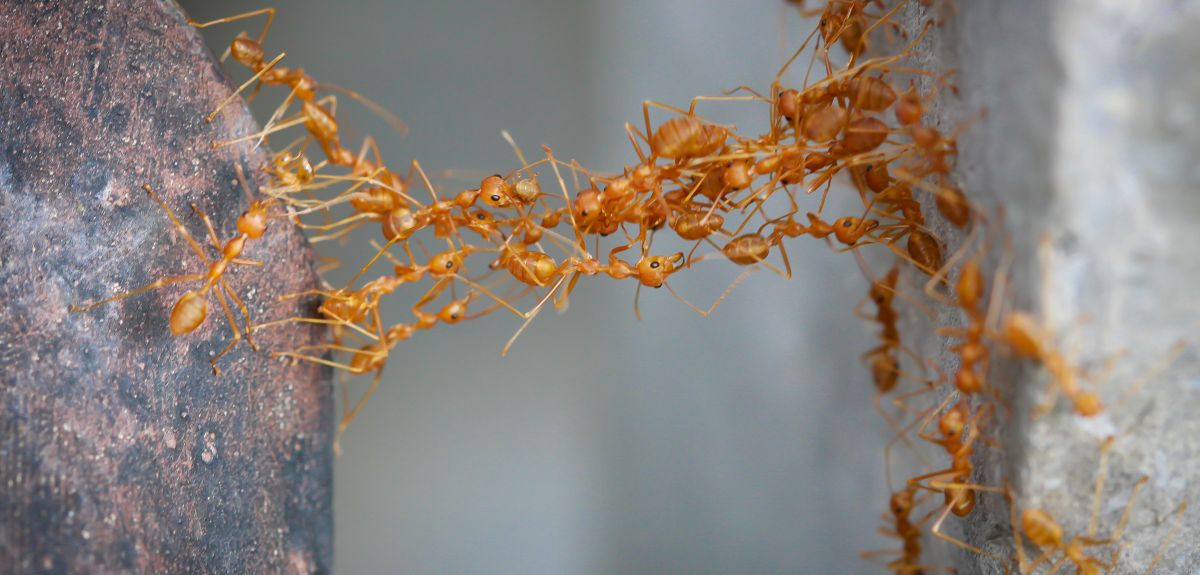
Life on earth is a complex beast, and complexity in nature is something that scientists have been trying to understand and explain for years. Understanding why traits such as division of labour have evolved in some species such as ants, but not entirely across the tree of life, may help us to decipher this complexity.
For the first time, researchers from the Oxford University Department of Zoology have tackled this question using game theory and mathematics to illustrate evolutionary patterns and develop the first comprehensible theoretical model of division of labour across the tree of life.
Division of labour occurs when individuals from a group do not engage in uniform cooperation, but rather have specialised roles (e.g. the distinct tasks given to worker bees to ensure the health and efficiency of their hive and Queen). However, natural selection acts at the level of the individual and not the group, so how has division of labour evolved to sometimes only involve sub-sets of the group like worker bees, or in species harbouring within-group conflicts, such as cooperatively breeding birds?
The findings, published in Nature Ecology and Evolution show how division of labour can evolve from the “bottom-up” due to benefits conferred to the specialising individuals rather than just for the good of the group. This runs counter to customary explanations of division of labour where group efficiency arguments are usually emphasised. While the theory demonstrates that division is more likely to evolve in species with closely related individuals where within-group conflict is minimal, there are also some key exceptions to this rule. For example, division of labour may be favoured despite high levels of within-group conflict if cooperation is essential for survival or reproduction.
The results also show that although division of labour is more likely to evolve in species with closely-related individuals, there are some key exceptions to this rule. For example, division of labour may evolve despite lower group relatedness if cooperation is essential for survival or reproduction.
Guy Cooper, lead author and a doctoral student in the Department of Zoology, said: ‘One of the most interesting findings of this paper is the degree to which the benefits of cooperation are shared within the group, which I believe is a factor that no one has looked at before.
'Essentially, the more equally the benefits are shared, the less that a helping individual may reap benefits from their own, personal investment in cooperation, and therefore, the more likely that natura selection will favour division of labour.’
The team now hope to test this theory with cross-species comparative analysis. At each level of complexity in nature - whether in the human body or insect society – division of labour is an important factor that drives the cohesion of the group and allows natural selection to act at higher levels. Understanding why it evolves in some cases and not others may enable us to understand how life has become more complex along some branches of the tree of life but not others.
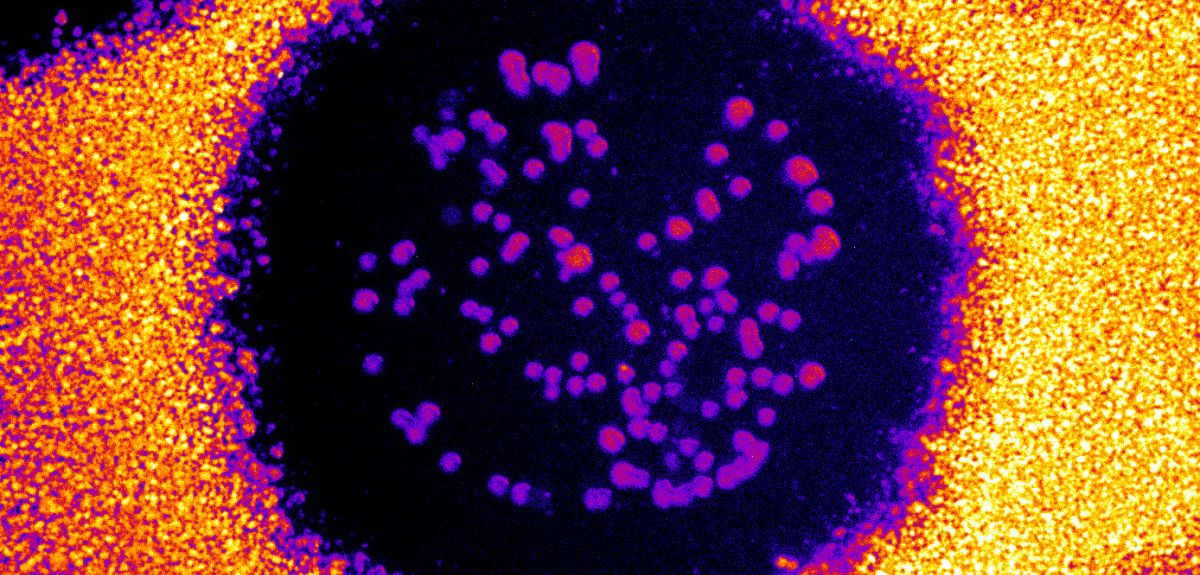
Alex Betts, Craig MacLean and Kayla King from the Department of Zoology, shed light on their recent research published in Science, which addressed the impact that parasite communities have on evolutionary change and diversity.
It has been over 150 years since Darwin published The Origin of Species. Nevertheless, the evolution and consequences of biological diversity are pressing questions still being tackled by evolutionary biologists.
The world is full of parasites and their antagonistic interactions with hosts can have big evolutionary consequences. Virtually all organisms are infected with parasites or are one themselves. Heavily infected hosts can be under strong natural selection as they are unlikely to reproduce. Hosts can reciprocally impose strong selection on parasites as resistant hosts can fight them off, crippling parasite ability to establish an infection and reproduce. This intense, mutual antagonism can drive rapid evolutionary change and is thought to be responsible for many other aspects of biology, from sex to speciation.
Hosts are often under attack from multiple different parasite species. We tested whether this parasite diversity shapes the mutual antagonism with hosts over evolutionary time (e.g. coevolution).
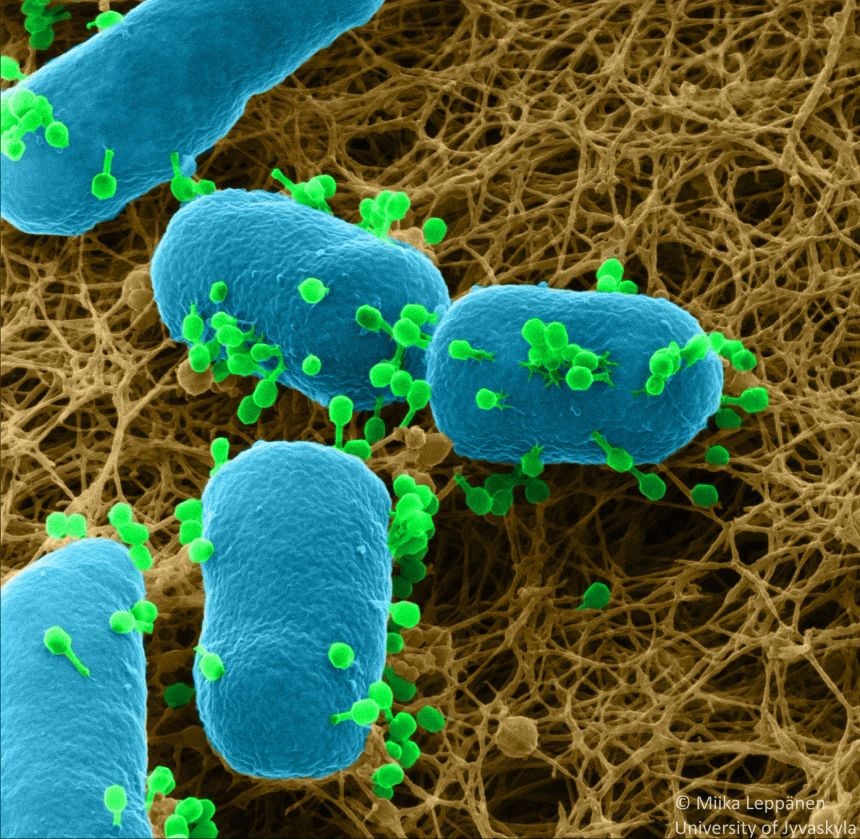 This image shows parasitic phages (green) swarming over the surface of bacteria (blue). Image credit Miika Leppänen (University of Jyvaskyla)
In research published today in Science we studied interactions between a single-celled bacterium, Pseudomonas aeruginosa, which acts as a host for bacteriophage parasites - tiny viruses that infect bacterial host cells, reproducing inside these cells, and burst their host to release their progeny. This host-parasite system is very useful because we can observe co-evolution between Pseudomonas and phage in real-time. At the start of experiments, the bacterial clone we used was susceptible to all of our viral parasites. However, the bacteria rapidly evolved resistance to phages by modifying their cell surface to make it harder for phages to attach and infect: phage must attach to the cell surface before they inject their lethal DNA. In response, phages evolved modified structures to attach to the altered cell surfaces.
Diverse parasite communities are typical in many ecosystems. Our work shows that, relative to infection by single parasite species, parasite diversity can drive rapid evolution of host resistance. Host populations also become more evolutionary divergent from each other. Ultimately, this genomic split between populations could lead to the formation of new species of bacteria and phage.
In our experiment, we also tested whether increasing parasite diversity alters the mode of coevolution between hosts and parasites. We further examined how changes are mediated through mutations in host and parasite genomes. The nature of these changes often falls into one of two competing descriptions: Arms Race and Red Queen. Arms races involve the escalation of host resistance and parasite infectivity continuously through time, such that future populations of hosts (and parasites) are always more resistant (or infective) than ancestors. By contrast, Red Queen coevolution is dominated by patterns of rotating strategies to match your present opponent, such that today’s strategy should be most effective with your opponent now, and less suited to past or future opponents.
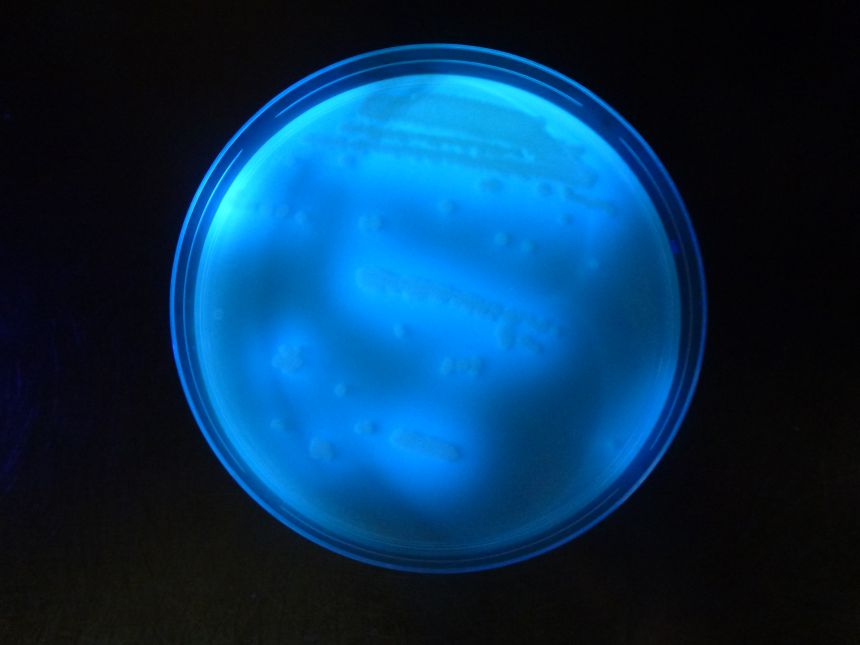 Image shows the ancestral bacteria from this experiment growing in a Petri dish using the same growth media as this experiment. The bacteria are naturally fluorescent under UV light.
Our study reveals that parasite communities can form hotbeds of rapid antagonistic coevolution. With increasing parasite diversity, coevolution shifts in favour of stronger arms races between hosts and parasites. As parasite diversity increases, coevolution speeds up. Both hosts and parasites evolve ever greater levels of resistance and infectivity, respectively. This whole process is underpinned by a shift in hosts towards the spreading of a general defence strategy suitable against a variety of enemies. Maintaining different kinds of resistance specific to fighting each parasite in the community is not the best approach. The ability of hosts to use generalised resistance mechanisms is crucial to the acceleration of evolution that we see in the face of a multitude of parasites.
These results have profound implications for our thinking on the drivers of rapid evolutionary change and the evolution of diversity. It may well be that parasite communities play a role in the elevated rates of evolution observed in natural ecosystems with high levels of diversity, such as the Amazon rainforest.
The full paper is available to view from the journal Science
- ‹ previous
- 73 of 253
- next ›
 What Louise Thompson’s campaign tells us about the national maternity crisis
 Celebrating 25 Years of Clarendon
  Learning for peace: global governance education at Oxford
  What US intervention could mean for displaced Venezuelans
  Setting the agenda for the next century of quantum
 10 years on: The Oxford learning centre making an impact
 Mapping the Moon: the world’s first lunar atlas goes digital
  Oxford and The Brilliant Club: inspiring the next generation of scholars
 New course launched for the next generation of creative translators
 The art of translation – raising the profile of languages in schools