Features
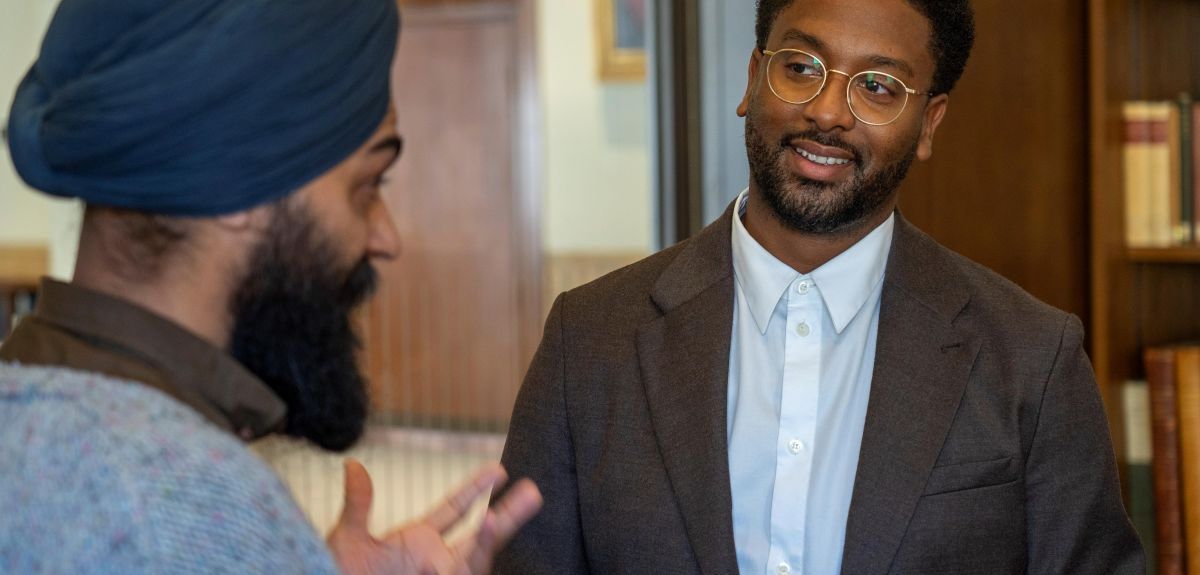
Acclaimed baritone Peter Brathwaite was in conversation at the Bodleian libraries this week, as part of its new racial equality event series We Are Our History Conversations. His talk, on the theme of ‘Black Lives in the Archives’, was inspired by his mission to uncover the forgotten and unheard voices of black and enslaved people from history, including those of his own ancestors.
In conversation with Professor Farah Karim-Cooper, Professor of Shakespeare Studies at King’s College, London, the opera star talked about his journey through the Bodleian’s archives to discover his own enslaved ancestors on Barbados – and hear their voices in between the lines of letters which mentioned them just in passing.
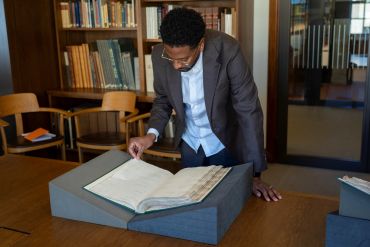 Peter Brathwaite
He began the project during the pandemic – as he personally reinterpreted dozens of pictures, including one of him as President Obama, as well as him as ancient kings, queens, saints, servants, slaves and even as a Black Madonna. It is both a playful and deeply insightful series. He says, ‘I recreated one every day for 50 days…Black sitters were often unknown or not yet known, as I prefer to say. They needed filling out, a narrative to be constructed and that’s what I was trying to do.’
Peter personally reinterpreted dozens of pictures, including one of him as President Obama, as well as him as ancient kings, queens, saints, servants, slaves and even as a Black Madonna....He says, ‘...Black sitters were often unknown or not yet known, as I prefer to say. They needed filling out...and that’s what I was trying to do
Mr Brathwaite continues, ‘I wanted to hear what they were saying. They had been imagined through the white gaze and I wanted to look at them through the eyes of the sitter.’
It is this approach which has seen the singer engage in months of passionate scholarship in Barbados and in the UK, looking for traces of his ancestors in archives not written from their perspective or even with them in mind.
‘I always had this urge to dig. I wanted to shift the perspective and so I read around the subject extensively,’ he explains. ‘I wanted to learn more about these real people from history.’
His research has proved very successful, although extremely difficult at times, as he uncovered the lives of his enslaved ancestors and learnt more about his forebears.
‘I am descended from white enslaving plantation owners [from whom the name Brathwaite comes] and from enslaved black people…it’s messy, but we think my four times great grandfather, Addo Brathwaite, came from Ghana.’
I am descended from white enslaving plantation owners [from whom the name Brathwaite comes] and from enslaved black people…my four times great grandfather, Addo Brathwaite, came from Ghana
Peter Brathwaite
Clearly passionate to know more, he tells the story of how he found this ancestor named in letters in the Bodleian – revealing a tantalizing glimpse of what may possibly still be uncovered.
Addo had been brought to the West Indies to be a field slave, he became a house slave, and eventually was a free person of colour. Through his research, Peter has found, Addo and his wife Margaret, who was of mixed race, worshipped at the local black church – a fact noted in the Bodleian letters. When he came upon the letters, he was stunned to discover they mentioned his ancestors by name and revealed the couple were seen by the author as respectable examples for the enslaved people of the island.
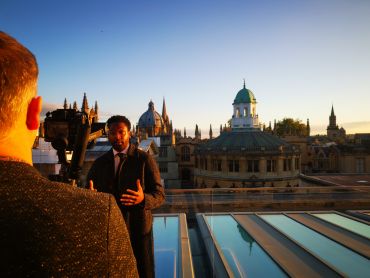 Peter Brathwaite at the Bodleian
But, says Peter, by reading against the grain, he tried to find the real Addo and Margaret and the submerged West African culture from which Addo had been taken.
‘Going to church was not just an expression of their faith, but also of the new society in which they lived. But there are hints of the culture: the fact that in Ghanian tradition, women are keepers of generational knowledge and Margaret established the tradition of having a family festival on 2 July each year – which is still going and is similar to the Yam festivals in West Africa. And they established a family village in Barbados, for their extended family.’
There are hints of the submerged culture: the fact that in Ghanian tradition...they established a family village in Barbados, for their extended family
Peter Brathwaite
Also, he says, for the festival, Margaret asked for the hymn ‘Hark, my soul! It is the Lord,’ which was written by a well-known abolitionist.
Peter discovered Margaret had been freed by her own half-brother, John. Their father was one of the infamous Brathwaite’s, who Peter says, it has been hard to avoid in his research. The young John had attended Christ Church – and Peter wonders if he ever brought Margaret to Oxford with him, as did happen with favourite slaves.
‘It’s pain-staking work,’ Peter says earnestly. ‘But you can find little nuggets. It’s really important for people to hear this. If you move away from the data, you can find the people behind the numbers.’
It’s pain-staking work...But you can find little nuggets. It’s really important for people to hear this. If you move away from the data, you can find the people behind the numbers
Peter Brathwaite
When he stumbled on the names of his own ancestors, Peter had been stunned, ‘To turn the pages and absorb - the effect was incredible. It was an encounter with the archives.’
But, he warns, it was something that needs to be done with care because of the ‘visceral violence’ and challenging terminology of the historic papers. He says, ‘It is not easy.’
Jasdeep Singh, Project Manager for the Bodleian’s We Are Our History initiative, explains how the libraries are working to reveal hidden stories in the archives and make them more publicly accessible, with the project, ‘We’re taking a fresh look at imbalances in the collections. From digitization to exhibitions, we’re looking at the impact of the colonial era in the libraries.’
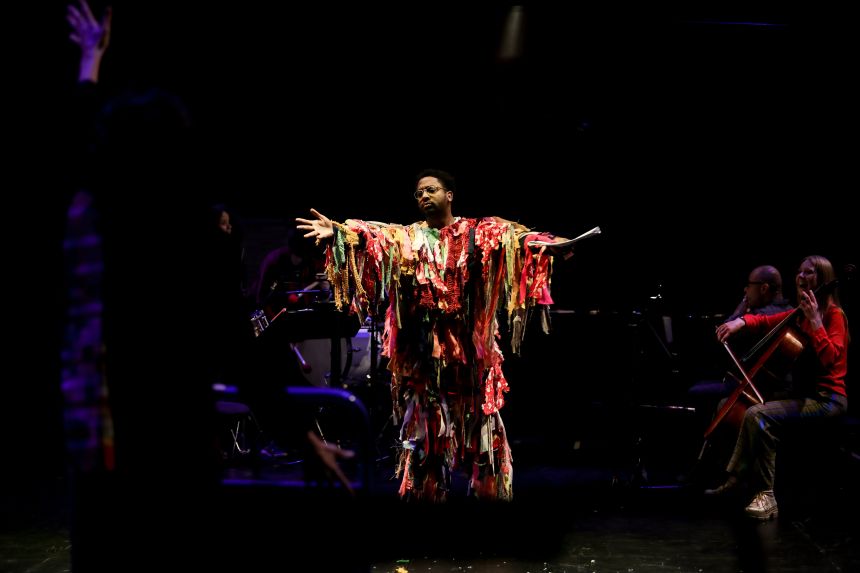 Royal Opera House, 'Insurrection A Work in Progress' by Peter Brathwaite. Highlighting Barbadian folk traditions as a form of resistance.
Photo Credit: Sama Kai
Royal Opera House, 'Insurrection A Work in Progress' by Peter Brathwaite. Highlighting Barbadian folk traditions as a form of resistance.
Photo Credit: Sama Kai
Most of the colonial papers dominated by the voice of officials, researchers in this area are often left with fragments of history that detail the silenced voice...But sometimes, those fragments are brought together by people like Peter. When these surface, they make really powerful stories
Jasdeep Singh, Bodleian libraries
Peter concludes, ‘Not everyone can find their family history. You feel in the dark and grasp at little clues. So much is lost. There is an overwhelming silence. It is deafening.’
The Bodleian's We Are Our History project was inspired by the famous James Baldwin quote: 'History is not the past. It is the present. We carry our history with us. We are our history....'
For further information about the We Are Our History work, and conversations series visit the project website here: We Are Our History | Bodleian Libraries (ox.ac.uk)
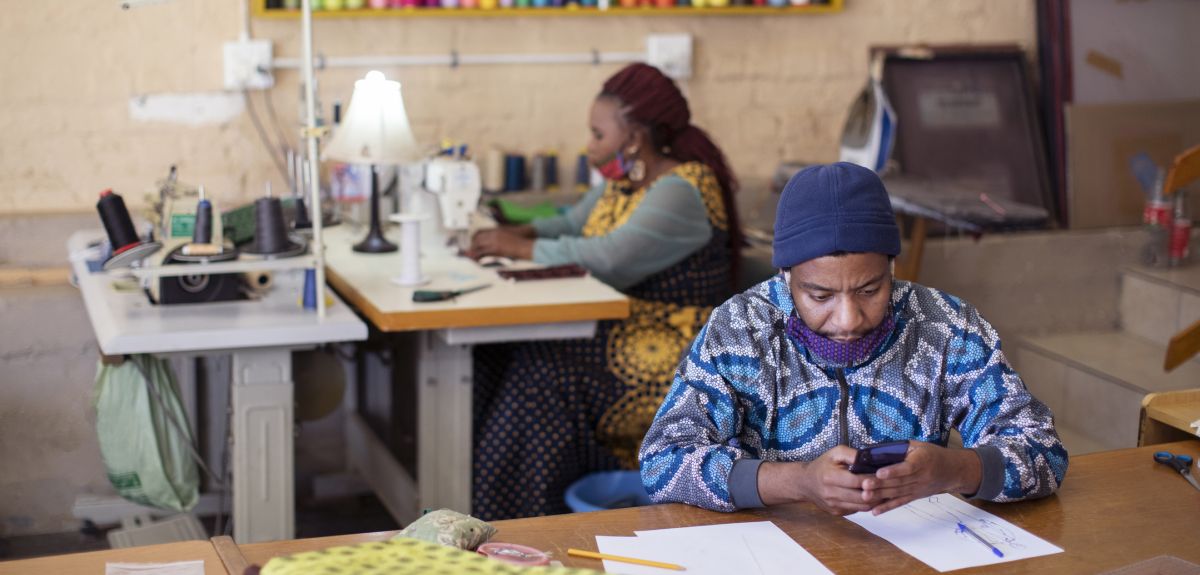
- Randomised control trials in Kenya, show cash payments most effective at delivering aid where it is needed
- Based on the research, during pandemic, the South African government used cash payments to reach 28 million people - far more than possible with food parcels
- Researcher Dr Kate Orkin, who led the trials, which saw 5.5 million kept out of food poverty, has been nominated for an ESRC Impact Award.
Nearly 10 million South Africans were going to bed hungry in the early chaotic days of the COVID-19 pandemic. With a hard lockdown in place and some three million people thrown out of work, it was proving impossible for the government to deliver adequate food parcels to the overwhelming majority of those in need. The logistics involved were simply unfeasible.
But based on some new university research, led by Oxford’s Dr Kate Orkin, the South African government did the unthinkable: they gave cash to those in need, and not just a little amount, but large sums of money to support families over the months of the crisis.
There is a stereotype of how people in poverty behave. But, studies have found, this is simply not accurate. People think really hard about the best way to spend the money
Dr Kate Orkin
Not only did the resources reach those in need, it enabled them to buy food, plan for the future and for children’s education.
It was an enormous success and Dr Orkin and her team have been nominated for a prestigious ESRC impact award – for social science research which makes a difference in the world. And it did make an enormous difference.
Together, the team’s recommendations in terms of cash payments influenced spending of ZAR 97.5bn (£4.87bn) which reached 28.5 million people in South Africa, helping to avert a national disaster. Research has shown recipients were both able to provide for today and plan for tomorrow – buying food, setting up businesses, finding new work.
It had been widely believed food parcels were the best way to alleviate urgent need – especially in the developing world. The argument went that, if you gave cash to people in need, they would simply squander it.
But Dr Orkin’s research, based on formal randomised control trials in Kenya, showed that, far from squandering cash, poorer people used it carefully and wisely to improve their lives. And it had wider benefits, even helping those who did not receive the cash, because the money was spent locally.
Dr Orkin says, ‘If you give people the money, it gives them autonomy and they use it for the things they need, including food and healthcare.
The South African government was able to reach more people more quickly...Food parcels can end up being the wrong food and they are so difficult to provide in huge numbers and they can undermine local vendors
Dr Kate Orkin
‘There is a stereotype of how people in poverty behave. But, studies have found, this is simply not accurate. People think really hard about the best way to spend the money.’
She explains, ‘Many people made long term investments – putting a steel roof on their house – or starting a business. The trials we had run in Kenya had shown this to be the way to deliver aid, rather than food parcels.’
‘The South African government was able to reach more people more quickly,’ she says. ‘Food parcels can end up being the wrong food and they are so difficult to provide in huge numbers and they can undermine local vendors.’
According to Dr Orkin, similar trials had been conducted elsewhere internationally and similar programmes were run in various locations, including Colombia and now aid agencies, including UNICEF and ICRC are adopting the same approach.
‘It wasn’t all us,’ she laughs. ‘There is strong evidence from other trials as well.’
‘It was a big shift for the South African government, though,’ says Dr Orkin. ‘They switched to cash emergency aid and reached more people immediately. Previously, they had delivered one million food parcels in a week. The cash reached more than 28 million in five weeks and kept 5.5 million people out of food poverty.’
It was a big shift for the South African government...Previously, they had delivered one million food parcels in a week. The cash reached more than 28 million in five weeks and kept 5.5 million people out of food poverty
Academic research has previously been recognised to provide answers and solutions to many great scientific questions and problems. But the ESRC award is to recognise that social science researchers can also provide real-life impact. In this case, it put paid to a widely-held and long-lasting belief. Randomised control trial evidence transformed lives in the most difficult circumstances.
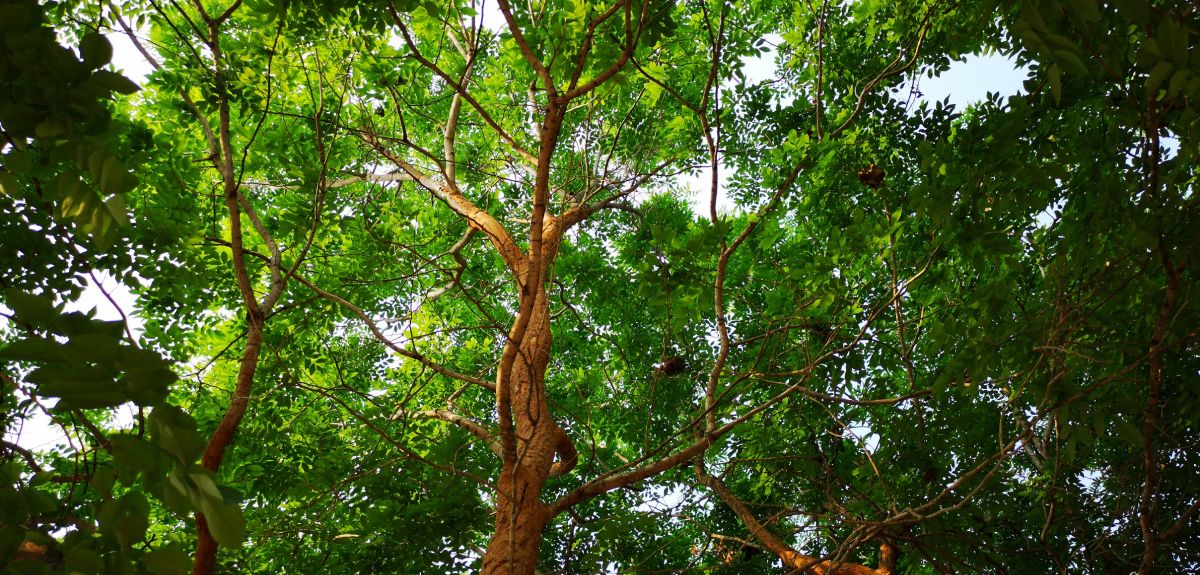
When it comes to saving the world’s most trafficked wild species – Dalbergia, the rosewood tree- two things are absolutely essential.
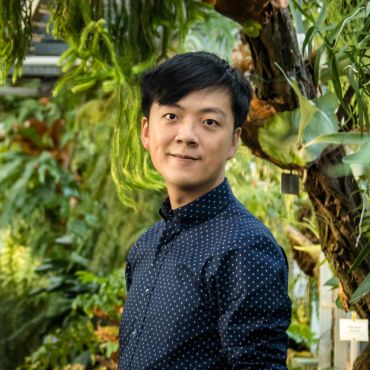 Dr Tin Hang (Henry) Hung. Credit: Henry Hung.
You also need vision, because there are no simple ‘quick fix’ solutions. As Dr Tin Hang (Henry) Hung from the University of Oxford’s Department of Biology, says: ‘The rosewood trade is deeply complex, involving many different actors across multiple countries, including indigenous people who depend on selling forestry products to survive. Any attempt to restore rosewood populations therefore needs to be a collaborative approach that addresses the underlying issues fuelling this trade, particularly extreme poverty.’
Fortunately, the rosewood tree has a team of highly ambitious and driven champions. Over the past six years, University of Oxford researchers have supported a project that has brought together plant geneticists, forestry workers, conservationists, local communities, and indigenous people in the race to save the rosewood. By combining local knowledge, forestry management techniques, and cutting-edge plant genetics, these efforts have reduced the pressures on wild rosewood populations, whilst developing pioneering new tools to support conservationists. In combination, this work has provided, as Henry says; ‘a blueprint for how conservation should be done – using approaches that restore wild species while empowering local people through sustainable livelihoods.’
‘Nature has no borders’
This project has really demonstrated the power of the collaborative approach and the benefits of conservationists working with University of Oxford researchers. This will support the Department of Forestry to improve rosewood tree plantation, and also the Department of National Parks, Wildlife and Plant Conservation to make decisions on the best practices for rosewood conservation.
Dr Voradol Chamchumroon Head of Department at the Forest Herbarium, Department of National Park, Wildlife and Plant Conservation, Thailand
Henry’s fascination with rosewoods began as a DPhil student researching genetic diversity of Dalbergia populations. ‘I have always been fascinated about the connections between trees and people’ he says. ‘Trees are fundamental to our survival and restoring forests will be crucial for both mitigating climate change and conserving biodiversity. But many species have been overexploited to the point that they are now endangered. For instance, my home city Hong Kong is thought to be named after the fragrance tree Aquilaria sinensis, which was historically ubiquitous but now at risk of extinction.’
During his studies, Henry became deeply concerned about the speed at which rosewood forests were disappearing. In 2018, this motivated him to join a new rosewood conservation consortium set up by his DPhil supervisors Professor John MacKay and Dr David Boshier in partnership with the Alliance of Bioversity International and CIAT, the University of Copenhagen, and national research institutions from five countries in the Greater Mekong sub-region.* This had been launched with funding from The Darwin Initiative: a UK government grants scheme which aims to help protect biodiversity and the natural environment.
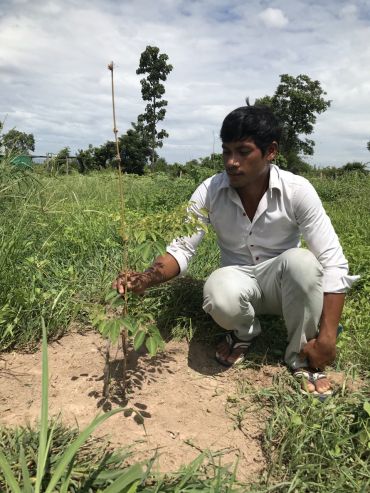 Cambodian farmer Mr Sok Em with rosewood seedlings established on his farmland. Credit: IRD, Cambodia.
Such an ambitious project would require all stakeholders to be engaged, if it was to have any chance of success. The project team set about creating a network of contacts within forestry offices, national park authorities, conservation organisations, local communities, and indigenous peoples in four countries across the rosewood’s native range: Cambodia, Laos, Thailand, and Vietnam. These were all brought together for stakeholder workshops (in-person to start with, but successfully transitioned online when the COVID-19 pandemic struck).
‘Rosewood species are severely threatened across all countries in their distribution range, so collaboration between countries is paramount to conserve their remaining diversity’ says Dr Riina Jalonen from the Alliance of Bioversity International and CIAT. ‘By bringing together all stakeholders, this enabled networking and the exchange of valuable information and experiences in rosewood conservation and management.’
‘When you have such a large number of different stakeholders, often with different interests, it can be difficult to coordinate effective actions’ adds Henry. ‘In these situations, academic institutions such as the University of Oxford can play an important role by acting as a “glue” to bring people together, build trust, and facilitate knowledge exchange.’
Solving two problems with one action
The pressure on these rosewood species is immense, from illegal logging, habitat destruction and climate change, and it is no longer likely their populations can recover in their natural habitats without interventions. This study is an important step towards recovery of two of the world's most trafficked species and provides a model for the conservation of other endangered tropical tree species too.
Dr Ida Hartvig, Biologist, University of Copenhagen
Through engaging this wide network, it became clear that there was an opportunity to address local needs alongside conservation goals. In many of the regions where rosewood is naturally found, particularly mountainous areas unsuitable for agriculture, poverty levels can be high. However, the team knew from a previous small-scale project that local people could be supported to collect rosewood seeds and grow seedlings as a source of secondary income. This created a way to achieve two goals at once: generating local sources of rosewood seedlings for conservation, whilst providing sustainable livelihoods.
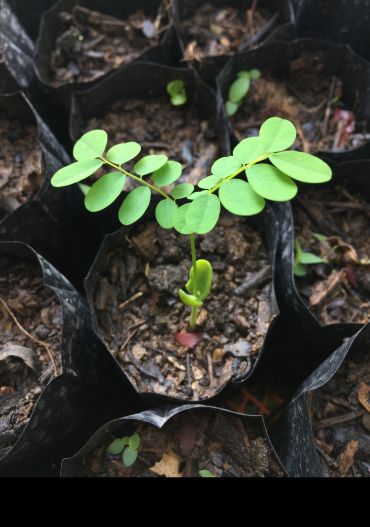 A Dalbergia oliveri seedling. Credit: Shutterstock.
Because financial empowerment is inextricably linked with gender equity, a key goal for the project was to improve gender representation within the forestry trade. ‘Traditionally, the forestry trade is very male-dominated as this can involve travelling to remote locations, climbing trees, and being exposed to dangerous animals’ says Henry. ‘Rosewood farms offer women a more accessible means to benefit from this industry.’ Consequently, the project team ensured that at least a third of the indigenous people trained in each country were women.
Within just three years, and despite the challenges created by the COVID-19 pandemic, this approach had already had a significant impact on boosting local incomes. In Cambodia, for instance, communities supported by the project saw average income from selling rosewood seedlings almost double from $300 to $569 a year. For one of the largest nurseries, in the Pursat region of Cambodia, improved methods led to an almost doubled production, from 40,000 to 90,000 rosewood seedlings annually. Besides reducing the pressure on wild rosewood populations, these nurseries also provide a local source of seedlings for reforesting projects.
You can learn more about the threats facing rosewoods and the project to save them in this video produced by Alliance of Bioversity International and CIAT.
Breaking a genetic bottleneck
The project is a rare example of the value of close collaboration between government staff, practitioners and conservationists working on the ground and geneticists. Engagement of local staff and field researchers enabled collection of DNA samples from remnant populations, the University of Oxford researchers performed the genetic analyses and made the results available including as a web-based tool useful in the next generation of hands-on conservation efforts for these precious species.
Dr Ida Theilade, Plant Geneticist, University of Copenhagen
Simply planting more trees, however, won’t be enough to secure the rosewood’s future. With wild populations having been so decimated, low genetic diversity can be a major concern as this reduces seed production, seedling survival, and growth. Furthermore, the effects of climate change mean that trees planted today may not be suited to conditions in the near future. This meant that a key priority for the project was to map the remaining genetic diversity to identify “genetic hotspots” to prioritise for conservation.
Through the network of partners, the project sourced over 800 samples of rosewood leaves from across Southeast Asia which were then sent to Henry in Oxford for DNA sequencing. These included new collections gathered by the partners over the past few years, and also archival collections from Dr Ida Hartvig at the University of Copenhagen from the last decade. ‘It was very sobering to realise that for some of the samples, the original populations in the field had already disappeared, and I was now handling the last remnants of their genetic material’ says Henry.
The first step involved producing the first-ever reference genome for Dalbergia cochinchinensis and Dalbergia oliveri. These were used as baselines for measuring genetic variation among the samples. The genetic data was then combined with geographic information to generate comprehensive distribution maps of rosewood genomic diversity. ‘Notably, this revealed that coastal regions have especially high levels of local adaptation, making them a conservation priority’ says Henry. ‘This may possibly be due to their exposure to more variable environmental conditions on the coast, and their distance from core inland populations may also have allowed them to evolve new genetic diversity at the frontier of the species’ range.’ Using these insights, the project team established 23 new conservation units, creating new jobs for local people as forestry and conservation officers.
Today’s seeds for tomorrow’s forests
If we want the impacts of this work to be self-sustaining, we have to empower conservationists, policy makers and local people to use genetic data as a tool to aid conservation decisions. So right from the start, we were committed to developing user-friendly and open-access online tools to support decision making.
Dr Tin Hang (Henry) Hung, Lead Author & Project Co-Lead, University of Oxford
Building on this, Henry applied this “treasure trove” of genetic data to investigate which genes were intricately linked with environmental adaptation. This identified genetic variants that were strongly associated with environmental variables, such as average rainfall levels and temperature variation. These findings enabled the team to project the "genetic offset" for different rosewood populations, to understand the mismatch between present genetic adaptability and anticipated climate scenarios up to 2100 (recently published in the journal PNAS).
‘Because the effects of climate change are happening so quickly, local rosewood populations will not have time to evolve and adapt by natural selection’ explains Henry. ‘This means that assisted migration will become an increasing focus within conservation, where populations are intentionally established beyond their historic range to track areas with suitable habitat through a period of change.’
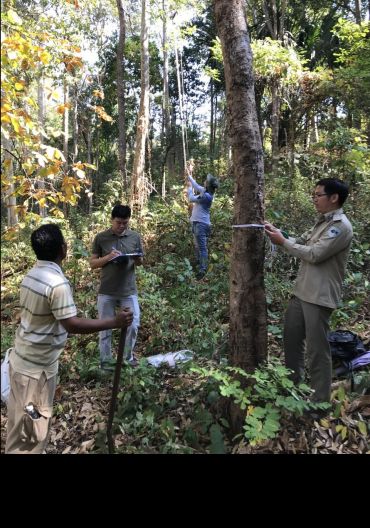 Workers from the Institute of Forestry and Wildlife Research and Development in Cambodia map and measure Dalbergia oliveri seed-producing trees. Credit: IRD, Cambodia.
Alongside this, the genetic database was developed into a bespoke online application called seedeR: a seed-selection tool for rosewood farmers, conservationists, and forestry workers. ‘It is a very user-friendly tool. You simply input the latitude and longitude of a location and it will calculate the most suitable seed source based on the predicted conditions in fifty years’ time’ says Henry.
‘All too often, genomic technologies are inaccessible to conservationists due to a lack of genomics expertise, state-of-the-art technologies, and resources’ he adds. ‘But we have demonstrated that through connecting people and focusing on the needs of end-users, genomic technologies can directly support rapid decision-making and conservation activities.’
With the seedeR interface requiring no specialist knowledge, conservationists are not the only ones who will benefit, as plant geneticist Dr Ida Theilade (University of Copenhagen) explains: ‘To many low-income households, farming rosewood trees acts as a security in times of financial crises and shocks, including for female headed households. As a publicly accessible tool, seedeR will help farmers select seed sources matching planting sites and thereby secure better income from family-based tree-planting activities.’
Hope for the future
This project has highlighted natural adaptations in rosewood trees, and specifically matched genetic diversity to environmental conditions. Genomics research has improved our understanding and given us a toolkit to effectively conserve adaptation potential in remaining trees under a changing climate.
Professor John MacKay, Senior Author & Project Co-Lead, University of Oxford
With new funding from a National Geographic Society grant, Henry intends to confirm the gene-environment associations by growing seedlings under controlled conditions, and identifying which genes are expressed differently in response to environmental stresses. ‘Ultimately, we hope to develop genetic markers so that varieties with key desirable traits, such as drought tolerance, can be identified with a simple genetic screen rather than having to grow them in the field, which takes many years. This would massively accelerate conservation efforts, by reducing the time needed to identify optimum varieties’ he says.
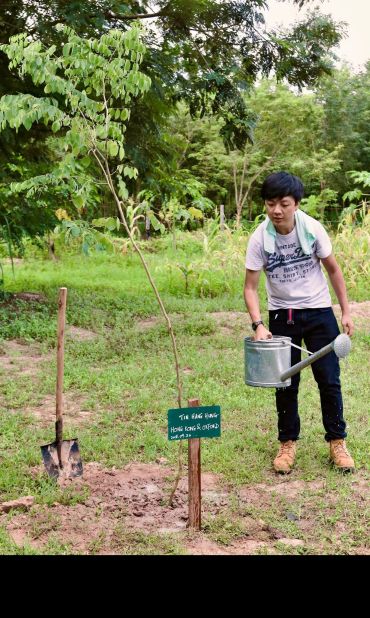 Henry planting a Siamese rosewood tree (Dalbergia cochinchinensis) in Cambodia, September 2018, to commemorate the launch of the project. Credit: Henry Hung and David Boshier.
‘I, for one, am really grateful to my DPhil supervisors John and David, all my collaborators, and all the people living on the land of Mekong who have inspired my research today’ he adds. ‘Forests in southeast Asia nurtured me to become a forest scientist, and I still want to be one for many decades to come. Hopefully some day in my career, I will see rosewoods delisted from the IUCN Red List.’
The study ‘Range-wide differential adaptation and genomic offset in critically endangered Asian rosewoods’ has been published in the journal PNAS.
*The project ‘Conserving Rosewood genetic diversity for resilient lives in the Mekong’ was led by the University of Oxford in partnership with the following organisations: the Alliance of Bioversity International and CIAT; the University of Copenhagen; the Institute of Forest and Wildlife Research and Development of Cambodia; the National Agriculture and Forestry Research Institute of Lao PDR; the Vietnamese Academy of Agricultural Sciences; the Department of National Parks Wildlife and Plant Conservation of Thailand; the Chinese Academy of Forestry.
‘Dragons Den’? More than 80 social science researchers deliver ‘amazing’ ideas
Four ‘exciting’ projects chosen to be turned into short films
Seven months ago, Social Sciences Division put out a call to its academics: would you like to make a short film based on your research, in collaboration with BBC Ideas? Who wouldn’t?
Six weeks later, not surprisingly, some 80 amazing ideas for filming were delivered, covering the full range of the division’s research. And somehow the BBC and the division had to whittle those down to just four ideas, which could be distilled into five-minute films or animations, explaining the research and being entertaining for an under 35s audience.
 BBC Ideas
She explained how BBC Ideas works, ‘These are short films aimed at an under 35s audience…they need academic rigour, insight and facts but also need to be effortlessly entertaining.’
 Oxford Social Science Division
‘We hope that these short films and animations will inspire watchers to explore new ideas and perspectives, and find out more about Oxford’s excellent academic research in the social sciences and beyond.’
The four projects chosen were:
Why do some children beat the odds? a captivating film based on the Young Lives project’s idea about how children in some of the poorest countries on Earth have beaten the odds to improve their lives.
How the humble bean can help the world, a clever, entertaining animation based on an idea from TABLE, the future of food platform, about how the humble bean is the answer to everything…and not.
Five things you probably didn’t know about periods, an amazing and incredibly interesting film, led by doctoral candidate Gabriella Kountourides based on her research on menstruation.
How to keep cool (without heating the planet). As the world warms and heatwaves become more frequent, we turn up the Air Conditioning. But that contributes to climate change. This fascinating animation looks at the air-con conundrum.
Bethan explained, ‘Turning what are quite intellectually demanding concepts into five minutes of film, that a wide audience will enjoy, is often a challenge.’
But she added, ‘It was great to work with a new partner, and exciting to be working on social science topics.
‘These films showcase the variety of connections to the real world in social sciences.
‘It’s been privilege to work with the academics and to discover new ideas and fresh perspectives.’
BBC Ideas was launched in 2018 and has published over 750 short films. They are available on numerous channels, from the BBC Ideas website (bbc.co.uk) as well as YouTube and Twitter. Films are promoted on the BBC News website and Homepage, as well as the main BBC Facebook, Instagram and Tik Tok accounts.
One of the most popular BBC Ideas films on YouTube is about being an introvert in an extrovert world, and has had over 5.7 million views. Another very popular film on YouTube is about the man who invented algorithms – with over two million views.
Bethan concluded, ‘We are really pleased with the final films. The animators and production companies we’ve worked with have done a brilliant job, they are so creative and brilliant. We’re really excited to share them with the audience.’
The Films
Why do some children beat the odds?
Young Lives has followed the fortunes of some 12,000 children in four developing nations for the last 20+ years. And the team behind the long-running survey knew they had an idea which would relate to many young people: beating the odds.
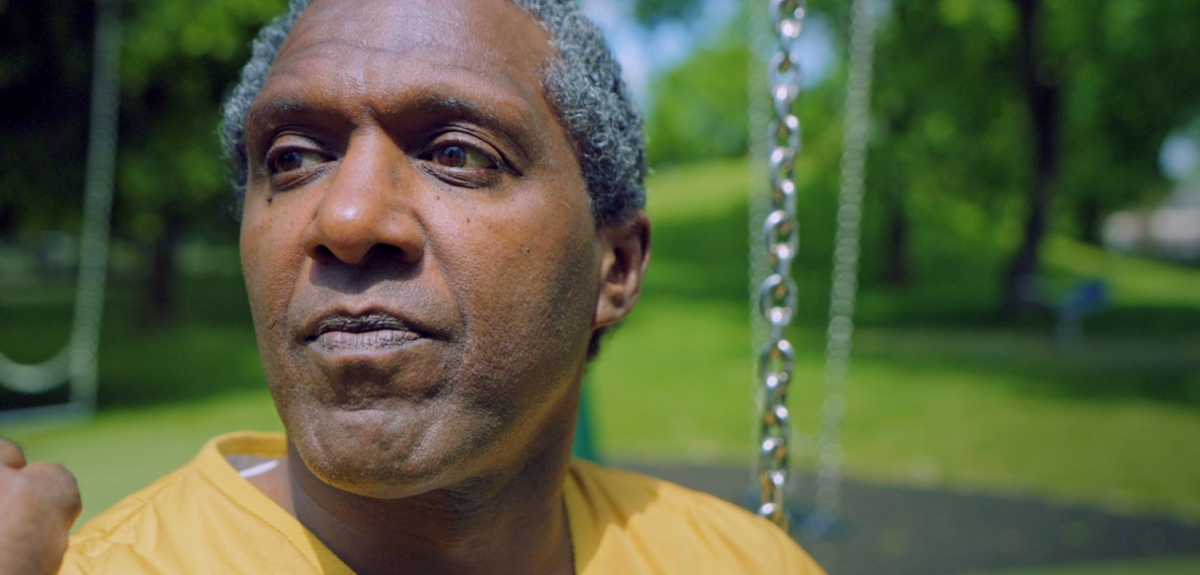
The BBC matched the idea with the poet Lemn Sissay, who told his compelling personal story of triumph over adversity – based around three factors identified in Young Lives’ research. Young Lives has looked at how the young people it has followed overcome crises and difficult lives – more information can be seen on the website here.
Julia Tilford, Communications Manager, said, ‘We were thrilled to have the opportunity to bring this positive story to young audiences – particularly when there are so many crises in the world.’
Dr Cath Porter, the project’s Director, added, ‘We were very excited to be chosen and to work with BBC Ideas and Lemn Sissay, whose own inspiring story brings our research to life.’
How the humble bean can help the world
TABLE works with food system stakeholders to explore the future of food, and the ways in which scientific evidence and social values inform often conflicting visions and arguments for necessary change. So, the idea of making a film about the humble bean, and whether it is the answer to everything, was very much in the team’s wheelhouse.
Jackie Turner, who worked closely with the BBC on the film, said, ‘We pitched a few ideas, but in the end, beans turned out to be a great topic choice because they join up so many different strands of conversation in food systems - they're in the middle of so many different proposed solutions.’
Tamsin Blaxter, member of the TABLE team, said, 'Our usual audiences are people working in food production or on food policy, but the reality is that everyone is a stakeholder in the food system. Everyone can exert some power through what they choose to eat, how they choose to vote, and what they choose to support - and everyone stands to benefit from healthier and more sustainable food.'
TABLE director Dr Tara Garnett explained, ‘It was something of a joke: beans are the answer to everything. It was flippant but not really. Beans are great – they’re good for health and the environment. We will all be eating beans for dinner after this.’
But she added seriously, ‘Nothing can ever be the answer to everything and that’s a really important message about the food system.’
The TABLE team members emphasised how pleased they all are with the film and the potential for reaching a wide audience.
Five things you probably didn’t know about periods
Rarely discussed but experienced by about 50% of the world’s population, menstruation is fascinating to Anthropology doctoral student Gabriella Kountourides.
Her film busts five myths about periods – including the idea that periods are somehow linked to lunar cycles (they’re not) and that women’s periods synchronize if they live together (they don’t) Gabriella also explores old myths – such as the Ancient Greek idea that wombs float around the body (obviously they do not).
In what is likely to be a very popular film, the irrepressible Gabriella concluded, ‘There’s so much unknown about something that happens to half of the world’s population at some point in their life.’
As temperatures go up, the cost of power should go down...right? Wrong. Potentially, the cost of cooling - and the emissions created - will add to global warming, in an ever expanding feedback loop. In this powerful short film, based on the research of Dr Radhika Khosla and the Oxford Martin School Programme on the Future of Cooling, the problems of keeping cool are explained. The research team said, 'The BBC Ideas team worked closely with us on the script and animation to make sure it was as true to the research as possible while also being easy to understand.
'Our hope is that it informs a new audience about sustainable cooling and sparks their curiosity. Above all, we want people to know that while the challenges presented by climate change are enormous, there are some solutions we can start implementing right away.'
The AC might be effective at cooling the room, but they are power hungry appliances. A small unit in a single room uses more electricity than four fridges.
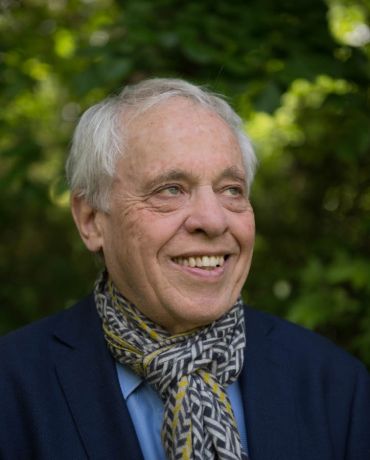 Professor Joe Silk. Image credit: Joe Silk.
He is currently an Emeritus Fellow of New College, a fellow of the American Academy of Arts and Sciences, the American Physical Society, the Institute of Physics, the Royal Society and the US National Academy of Sciences. Besides authoring more than 900 academic publications, he has written several popular books including ‘The Big Bang’, ‘The Infinite Cosmos’, ‘On the Shores of the Unknown: A Short History of the Universe’, and ‘Cosmic Enigmas.’
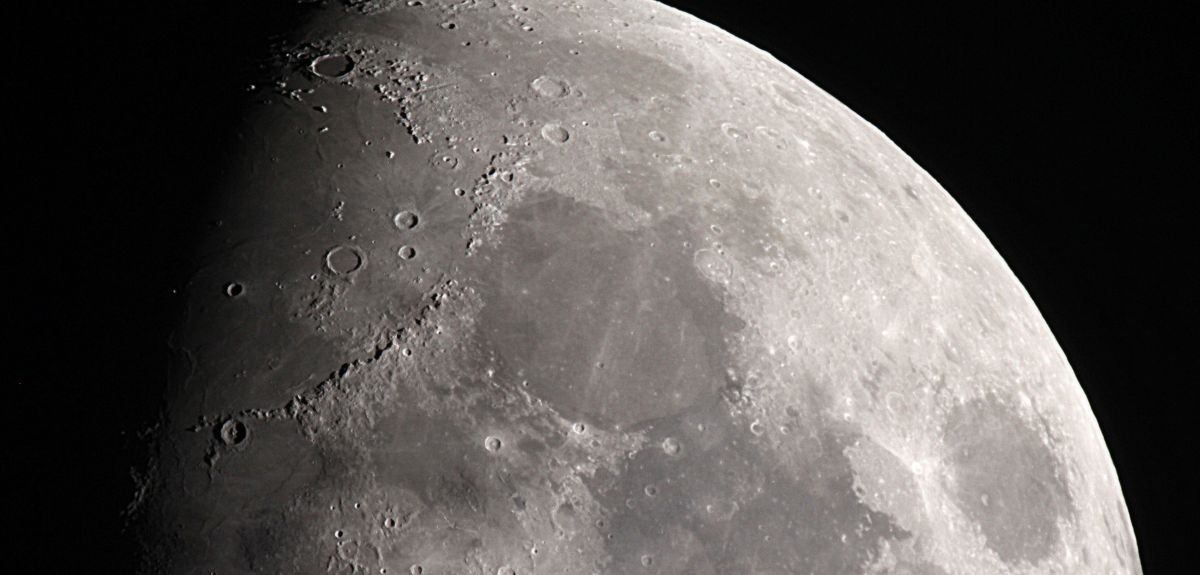
Despite having received multiple lifetime achievement awards, Professor Silk shows no sign of slowing down yet. His latest book ‘Back to the Moon: The Next Giant Leap for Humankind’ was published in November 2022. He talks about his career to date, and how returning to the Moon could help us uncover our cosmic origins.
In your latest book 'Back to the Moon' you argue that returning to the Moon could open up a ‘thrilling new age of scientific exploration.’ Please can you explain this?
The answer to that really goes back to the question that has driven my entire career: What is the underlying structure of the Universe and where did it come from?
We know that the Universe started as a relatively homogenous, smooth and dense distribution of mass that eventually developed into what we see today, with galaxies, stars, planets, and so on. Cosmologists such as myself are intensely interested in that evolutionary process, which we study using powerful telescopes. Quite literally, these enable us to see back in time – but not quite as far as we would like to. To see back before there were any galaxies, before there was any light, that’s our greatest challenge. We can only do that with radio waves that can probe the gas clouds of atomic hydrogen from which all galaxies assembled.
It’s essentially impossible from the Earth because we need to look in really low radio frequencies to see back this far. But on the far side of the Moon, conditions are unbelievably well optimised for probing the dark ages of the Universe, before the first galaxies formed. It is this epoch that holds clues to our cosmic beginnings.
What do we understand at the moment?
The furthest back we can see in time is the cosmic microwave background (CMB) radiation, dating from 400,000 years after the Big Bang, long before there were any galaxies or stars. Basically, the CMB is the cooled remnant of the first light to travel freely through the Universe, and we experience it as a radio signal that originates from every point in the sky. At first, this signal appeared to be completely uniform, but with highly precise telescopes we eventually detected small variations. These correspond to tiny fluctuations in temperature, caused by ‘ripples’ in the underlying structure. These ripples get stronger over time, until gravity eventually pulls them together to develop into gas clouds and then galaxies.
We are now beginning to capture this phenomenon using large microwave telescopes in space and in remote areas on Earth. We glimpse the seeds. But I want to study how these seeds assembled into galaxies. I need to go back in time to before there were any galaxies, to see their building blocks. To see the wisps of hydrogen gas from which galaxies assembled. To learn where these irregularities came from in the first place – to go right back to the ‘dark ages’ before there was any light at all.
If we could see further back in time, what could this tell us?
Our current best theory is that the Universe began as highly dense matter, then went through a dramatic period of inflation in a fraction of a second to reach its current proportions. From this remote origin, we believe that the ripples we see in the CMB today were created from tiny, high-energy quantum fluctuations that expanded during the end of the inflationary phase into cosmological proportions. If we could see back far enough to probe these fluctuations, this glimpse into the darkness could verify that inflation occurred during the first quadrillionth of a nano-second of the Universe’s existence.
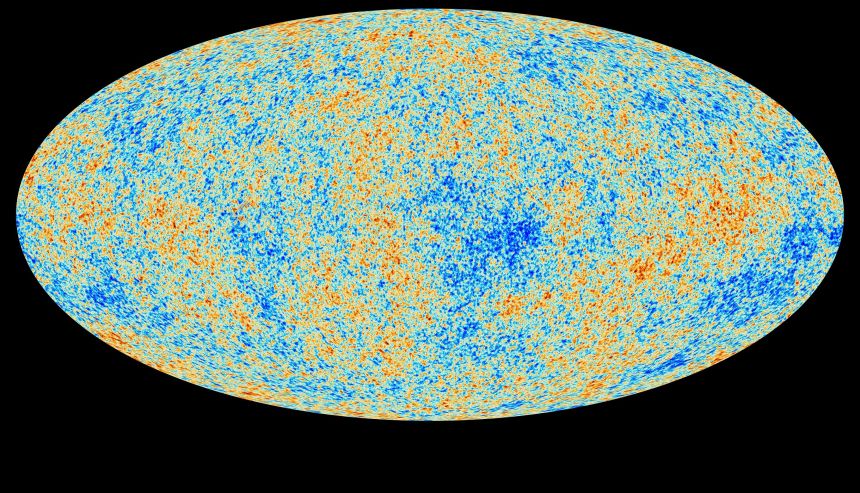 A map produced by the European Space Agency (ESA)'s Planck satellite (2009-2013) showing slight temperature differences across the Cosmic Microwave Background, CMB. Image credit: ESA/Planck Collaboration.
So, where does the Moon come into this?
We can’t see into the dark ages on Earth because a layer of ionized gas in our atmosphere acts as a surrounding blanket. The atmosphere is a good thing for life, but its ionosphere layer scatters low frequency radio wave signals. These are the ultimate messengers from the dark ages. In theory, the best place to set up a low frequency radio telescope would be in outer space, but this is extremely difficult for practical reasons. And even there we would be subject to radio interference from the Earth.
A more realistic prospect is the far side of the Moon. Because the Moon has no ionosphere, in terms of radio interference it is probably one of the quietest places in the inner solar system. And the far side of the Moon is shielded from all the radio waves coming from Earth, from mobile phone masts and maritime radar, for instance. It’s a stable platform where we could build incredibly large telescopes.
To be clear, this is a very long-term project that is only just beginning to undergo design studies. It could take anywhere between 10 and 30 years before these experiments come to fruition. But the journey is beginning, and even in the next few years we expect to be launching the first pathfinder projects to the far side of the Moon.
Besides mining, I envisage that the Moon will become a hub for lunar tourism and even interplanetary travel. Within its craters, there are huge resources of ice and water that could provide a source of hydrogen and oxygen for energy and rocket fuel. And because the Moon has a much lower gravity than Earth, it would make a great place to build a spaceport for rocket launches.
Are there other reasons we should go back to the Moon – for instance, to mine critical elements?
It is true that we are running out of semiconductor and rare earth materials that are critical for technologies such as computers and wind turbines. The Moon is a prime target for future mining expeditions because it is many thousands of times richer in these resources than Earth. This is due to its surface having been bombarded over billions of years by meteorites that have deposited layers of rare materials on its surface.
Besides mining, I envisage that the Moon will become a hub for lunar tourism and even interplanetary travel. Within its craters, there are huge resources of ice and water that could provide a source of hydrogen and oxygen for energy and rocket fuel. And because the Moon has a much lower gravity than Earth, it would make a great place to build a spaceport for rocket launches. The first step is likely to be NASA’s Artemis programme which envisages launches from a lunar space station, following the return of astronauts to the lunar surface within three or four years from now.
Apart from lunar exploration, what else are you researching at the moment?
What is the nature of the dark matter? That’s one of the greatest puzzles in astrophysics. Dark matter is the dominant form of matter in galaxies, and indeed in the Universe. Yet it is not the ordinary matter that stars are made of, and only interacts very weakly with ordinary matter. Most likely it consists of an as yet undiscovered elementary particle. I have proposed ingenious techniques for detecting such particles. For example, dark matter particles may interact with themselves. They can annihilate or decay, and produce electromagnetic signals that are potentially detectable, such as gamma rays.
There is a mysterious excess of gamma radiation from the centre of the Milky Way galaxy. That’s where the density of dark matter is highest. Perhaps this is a signal from dark matter, or perhaps it’s the cumulative emission from astrophysical sources such as a large abundance of rapidly spinning old neutron stars, which are known to be weak gamma ray sources. We don’t know and are seeking other tests, such as examining nearby dwarf galaxies, known repositories of dark matter. So far, the jury is out.
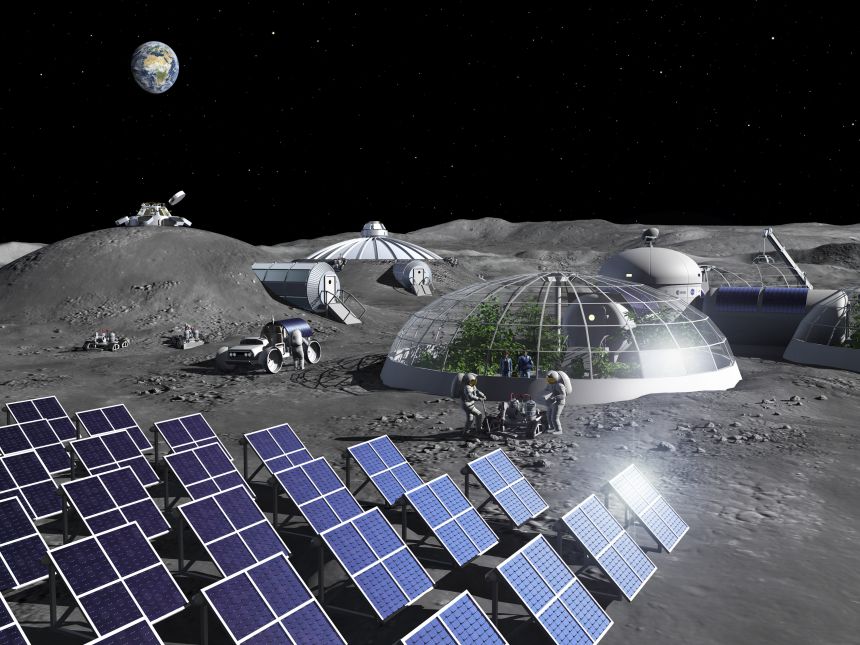 Artist impression of activities in a Moon Base. Power generation from solar cells, food production in greenhouses and construction using mobile 3D printer-rovers. Image credit: ESA / P. Carril.
You were appointed as the University of Oxford’s Savilian Professor of Astronomy (from 1999 to September 2011), one of Oxford's oldest chair positions, founded in 1619. What were your key achievements in this role?
Oxford has a very illustrious past for astronomy, most notably the discovery around 1705 by Savilian Professor Edmond Halley in an attic observatory on New College Lane of the periodic appearances of the comet now named after him. But when I arrived some three and a half centuries later, the Savilian chair had somewhat lost its momentum in its impact on Oxford astronomy. I am proud of the role I played to drive cosmology forward, in particular by developing several major research themes in surveying distant galaxies, galaxy formation, and the nature of gravity.
During my period of leadership, I oversaw the appointments of several young researchers who have since evolved into international leaders in their various fields of research. I founded the Beecroft Institute for Particle Astrophysics and Cosmology in 2003, now a thriving hub of cosmology research. For instance, one of the leading numerical simulations of the Universe was developed at Oxford, and is now widely used to understand how the diverse properties of galaxies are generated. Another achievement was exploring alternatives to Einstein’s theory of gravity to monitor the relevance of challenges to our canonical model of structure formation, the cold dark matter theory, and to tensions in our measures of the rate at which the Universe is expanding.
I need to go back in time to before there were any galaxies, to see their building blocks. To see the wisps of hydrogen gas from which galaxies assembled. To learn where these irregularities came from in the first place – to go right back to the ‘dark ages’ before there was any light at all.
You have authored over 900 publications; which one are you most proud of?
This would have to be one of my first papers, ‘Fluctuations in the primordial fireball’, published in Nature in 1967. In this short paper, I predicted the presence of primordial temperature fluctuations in the CMB. I argued that tiny seeds, overdensities or underdensities in the intensity of radiation, had to be present at the beginning of time, as otherwise Einstein’s theory of gravity could not adequately explain galaxy formation. Detection would be a crucial test of gravitational theory and of the Big Bang itself. It took a very long time, around 30 years, but eventually these temperature fluctuations were found – one of the proudest moments of my life!
Have you always been interested in outer space?
Not at all! I grew up in London, so only saw the stars on occasional camping trips with the Boy Scouts. I actually read mathematics as an undergraduate at the University of Cambridge. During my final year, I found that the prospect of becoming an actuary or something like that left me rather bored. So, when I was procrastinating instead of revising for my final exams, I started wandering around lectures for different subjects, sitting at the back so no one would notice my ‘unauthorised’ presence.
I stumbled across the charismatic cosmologist Dennis Sciama, whose lectures blew my mind away. He was explaining how Albert Einstein was himself inspired by Mach’s principle. Ernst Mach was a 19th century physicist/philosopher who argued that the inertia of our local reference frame is determined by the distant stars – or to put it more simply, that local physical laws are determined by the large-scale distribution of matter in the Universe. I realised that our amazing Universe was motivating very deep questions that really fired me up.
This led me to do a diploma course in Physics at Manchester University. There I did a research project with an eminent radio astronomer, Roger Jennison, one of the founders of radio interferometry. This went so well that it opened the way to a graduate fellowship provided by the precursor of what is now the European Space Agency. I chose Harvard University because I wanted to work with cosmologist David Layzer, whose specialty was the formation of structure in the expanding universe. I was fortunate that I began my PhD at Harvard just after the major discovery of the CMB, which opened up a completely new and unexplored territory in cosmology that has sustained almost my entire career.
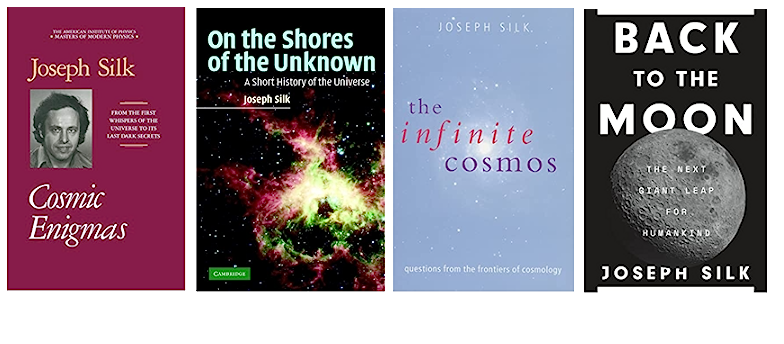 A selection of the popular science books authored by Professor Joe Silk.
Do you think there is life out there?
That is the question that will always capture the public’s imagination. It is an exciting time now that we can probe the atmospheres of distant planets for signatures that could be indicative of life: oxygen, chlorophyll, methane, etc. But there really are no guarantees. It is hard to even estimate the number of planets we would need to look at to make discovering extra-terrestrial life a likely probability. Life is fragile, and it is likely to be a rare phenomenon. And the number of Earth-like planets that are relatively close to us is very limited.
There is only one way to pursue this goal. To find large numbers of Earth-like twins, that is planets with rocky cores, an atmosphere, and close to stars like our sun, we need a very large telescope in space. Realistically, that could best be constructed on the Moon – giving us another reason to invest in lunar exploration.
What have been some of the most exciting technological advancements in cosmology during your career?
Certainly, the incredible rise in computational power and our ability now to make very detailed, precise computer simulations of all sorts of phenomena. In my early career work on galaxy formation, my ‘models’ were cartoons along with a few simple equations. Now, using powerful computers, we can make incredible simulations of galaxies that are almost indistinguishable from the real thing.
You have written several cosmology books for the general public. How important is it that the public are interested in space science?
I do believe that it is important to engage the public with our work, and not just because they pay our bills and fund our research. The beauty and mystery of space has an ability to inspire awe that few things can come close to. So, it is only right that we open up our notebooks to the general public, and explain the rationale behind our goals in answering the great questions of the Universe. In this way, we build up interest and momentum to keep up what we are doing.
You can learn more about Professor Silk’s work in a series of video talks: The Physics of Fine-Tuning. These discuss how the laws of physics, the initial conditions of the universe, and features of our local world work together to produce the world we live in.
Glossary:
Dark matter: A proposed component of the Universe which cannot be seen because it does not absorb, reflect, or emit electromagnetic radiation. Its presence can only be inferred from its gravitational attraction on visible matter. Dark matter is thought to account for around 27% of the Universe; the rest is dark energy (68%) and normal visible matter (5%).
- ‹ previous
- 4 of 9
- next ›
 25-year Oxford study finds the effects of conflict last for generations
 What Louise Thompson’s campaign tells us about the national maternity crisis
 Celebrating 25 Years of Clarendon
  Learning for peace: global governance education at Oxford
  What US intervention could mean for displaced Venezuelans
  Setting the agenda for the next century of quantum
 10 years on: The Oxford learning centre making an impact
 Mapping the Moon: the world’s first lunar atlas goes digital
  Oxford and The Brilliant Club: inspiring the next generation of scholars
 New course launched for the next generation of creative translators