
Nuffield Department of Population Health
The Nuffield Department of Population Health (NDPH) brings together over 600 staff and 200 students from a number of world-leading research groups with the aim of reducing premature death and disability from human disease.

The Richard Doll building, housing many of the University's research laboratories, offices and support spaces for the Medical Sciences Division. Credit: Oxford University Images / Graham Bagley

Overview
A number of world-renowned research groups and disciplines are part of the NDPH, including the:
- Applied Health Research Unit (AHRU)
- Big Data Institute (BDI)
- Clinical Trial Service Unit and Epidemiological Studies Unit (CTSU)
- Cancer Epidemiology Unit (CEU)
- Demographic Science Unit (DSU)
- Economics of Population Health (EPH) Research Centre
- Ethox Centre
- Infectious Disease Epidemiology Unit (IDEU)
These groups are responsible for some of the world’s largest population cohorts and randomised trials, and produce highly-cited practice-changing research, which continues to have a major impact on international clinical management guidelines (eg on statins, aspirin, hypertension, pre-eclampsia, heart failure, serious childhood illness and infections).
Courses offered
The courses shown below are offered at postgraduate-level.
- MSc in Clinical Trials (part time)
- Doctor of Medicine (DM) (variable intensity)
- MSc in Global Health Science and Epidemiology (full time)
- MPH in Public Health Research (full time)
- DPhil in Population Health (full time and part time)
- PGCert in Statistics and Epidemiology (part time)
Medical Sciences Division
The Medical Sciences Division houses some of the strongest biomedical research in the world; Oxford is repeatedly placed first in clinical, pre-clinical and health in the Times Higher Education World University Rankings.
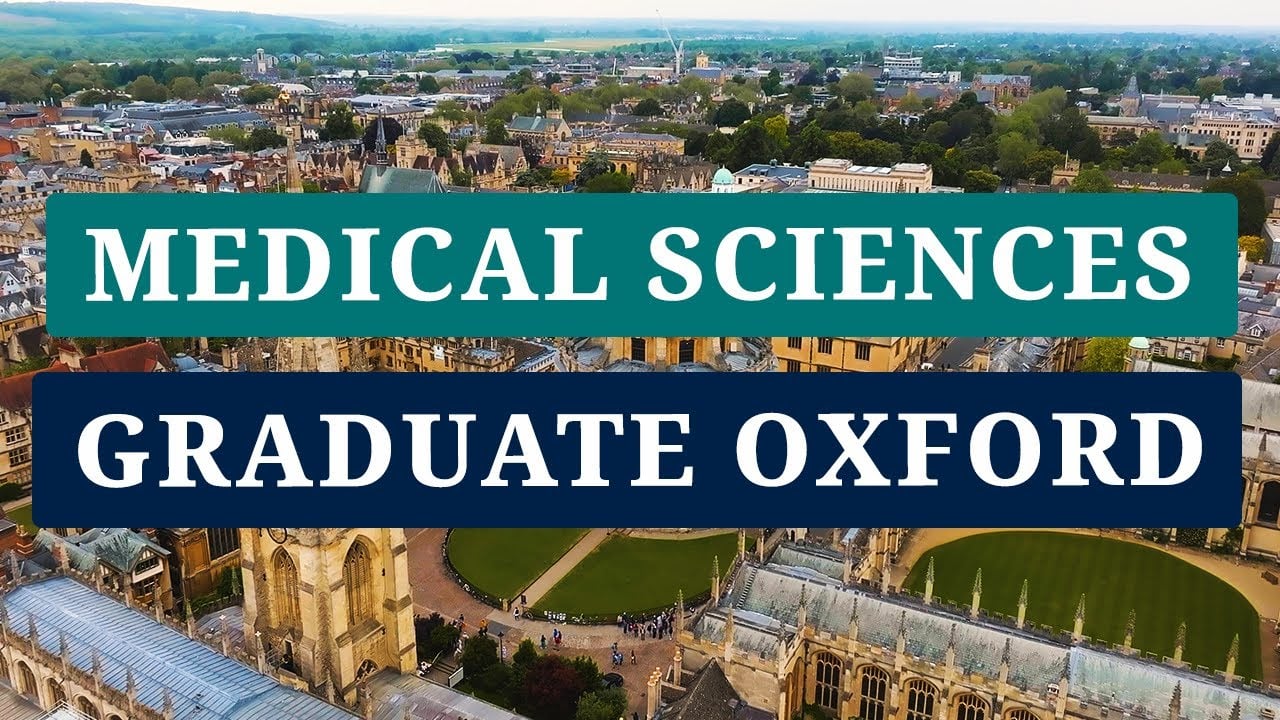
The Medical Sciences Division's departments and institutes in Oxford and overseas are home to some of the strongest biomedical research in the world, regularly appearing at the highest levels in world rankings and rated world-leading and internationally excellent.
The division’s 2,000 researchers cover a wide range of research, from atomic-resolution molecular structural biology to epidemiology as applied to very large populations. This enables students to work on virtually any biomedical problem.
The division provides a stimulating and challenging environment for more than 2,000 talented graduate students with excellent new facilities and close personal supervision by world-class researchers. To complement research supervision and course teaching there is a wide range of facilities aimed at the personal and professional development of students, strengthening their existing skills and developing new skills.
All candidates who apply by the December or January deadline shown on the course page are automatically considered for full funding awards, irrespective of their nationality.