Features
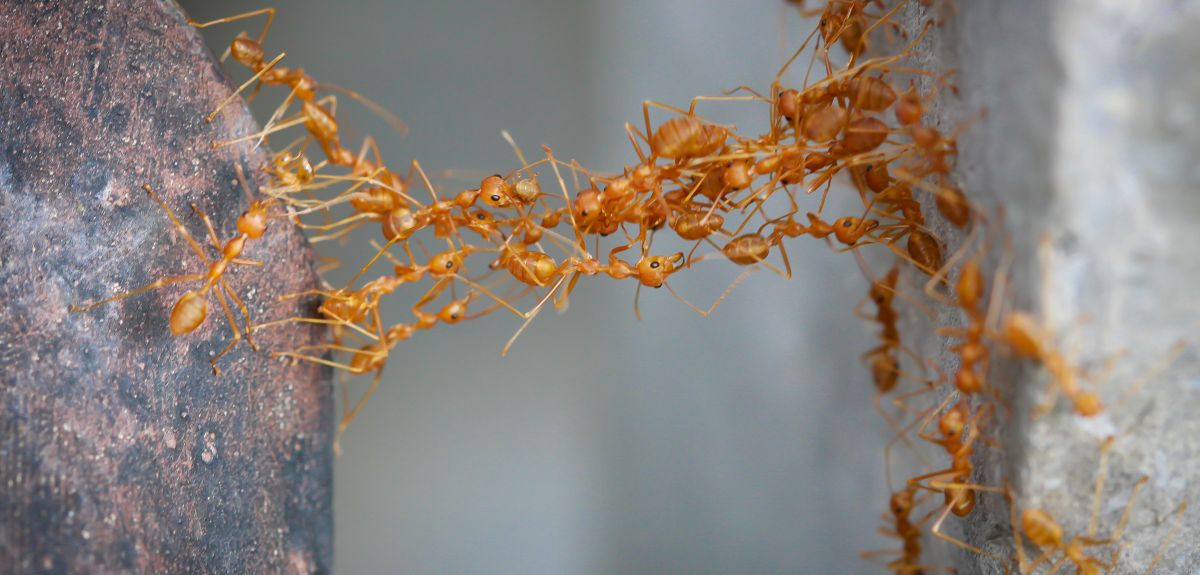
Life on earth is a complex beast, and complexity in nature is something that scientists have been trying to understand and explain for years. Understanding why traits such as division of labour have evolved in some species such as ants, but not entirely across the tree of life, may help us to decipher this complexity.
For the first time, researchers from the Oxford University Department of Zoology have tackled this question using game theory and mathematics to illustrate evolutionary patterns and develop the first comprehensible theoretical model of division of labour across the tree of life.
Division of labour occurs when individuals from a group do not engage in uniform cooperation, but rather have specialised roles (e.g. the distinct tasks given to worker bees to ensure the health and efficiency of their hive and Queen). However, natural selection acts at the level of the individual and not the group, so how has division of labour evolved to sometimes only involve sub-sets of the group like worker bees, or in species harbouring within-group conflicts, such as cooperatively breeding birds?
The findings, published in Nature Ecology and Evolution show how division of labour can evolve from the “bottom-up” due to benefits conferred to the specialising individuals rather than just for the good of the group. This runs counter to customary explanations of division of labour where group efficiency arguments are usually emphasised. While the theory demonstrates that division is more likely to evolve in species with closely related individuals where within-group conflict is minimal, there are also some key exceptions to this rule. For example, division of labour may be favoured despite high levels of within-group conflict if cooperation is essential for survival or reproduction.
The results also show that although division of labour is more likely to evolve in species with closely-related individuals, there are some key exceptions to this rule. For example, division of labour may evolve despite lower group relatedness if cooperation is essential for survival or reproduction.
Guy Cooper, lead author and a doctoral student in the Department of Zoology, said: ‘One of the most interesting findings of this paper is the degree to which the benefits of cooperation are shared within the group, which I believe is a factor that no one has looked at before.
'Essentially, the more equally the benefits are shared, the less that a helping individual may reap benefits from their own, personal investment in cooperation, and therefore, the more likely that natura selection will favour division of labour.’
The team now hope to test this theory with cross-species comparative analysis. At each level of complexity in nature - whether in the human body or insect society – division of labour is an important factor that drives the cohesion of the group and allows natural selection to act at higher levels. Understanding why it evolves in some cases and not others may enable us to understand how life has become more complex along some branches of the tree of life but not others.
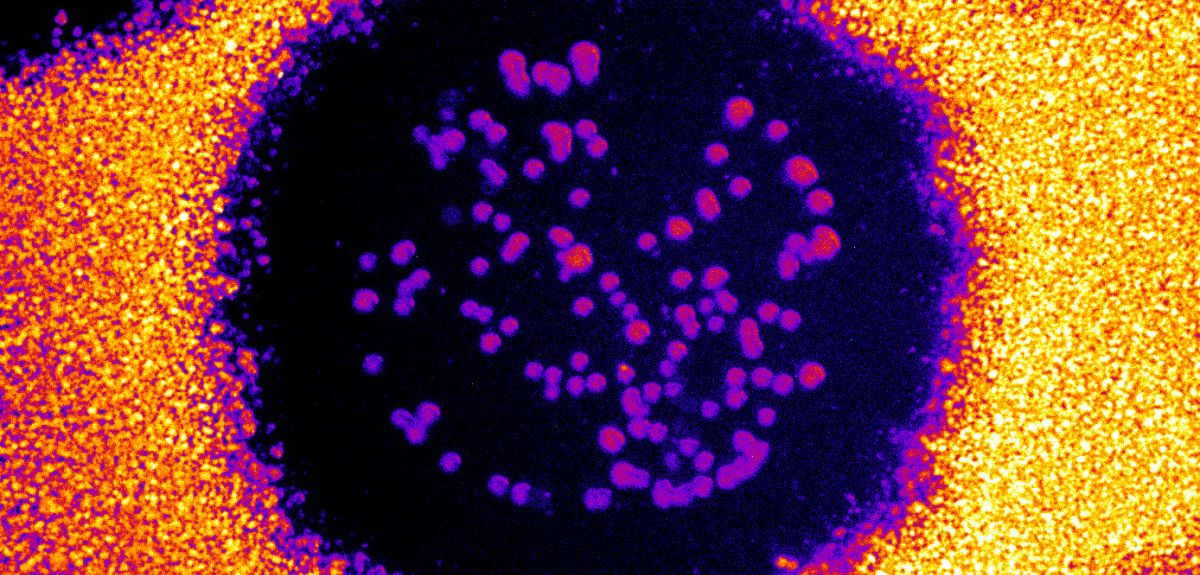
Alex Betts, Craig MacLean and Kayla King from the Department of Zoology, shed light on their recent research published in Science, which addressed the impact that parasite communities have on evolutionary change and diversity.
It has been over 150 years since Darwin published The Origin of Species. Nevertheless, the evolution and consequences of biological diversity are pressing questions still being tackled by evolutionary biologists.
The world is full of parasites and their antagonistic interactions with hosts can have big evolutionary consequences. Virtually all organisms are infected with parasites or are one themselves. Heavily infected hosts can be under strong natural selection as they are unlikely to reproduce. Hosts can reciprocally impose strong selection on parasites as resistant hosts can fight them off, crippling parasite ability to establish an infection and reproduce. This intense, mutual antagonism can drive rapid evolutionary change and is thought to be responsible for many other aspects of biology, from sex to speciation.
Hosts are often under attack from multiple different parasite species. We tested whether this parasite diversity shapes the mutual antagonism with hosts over evolutionary time (e.g. coevolution).
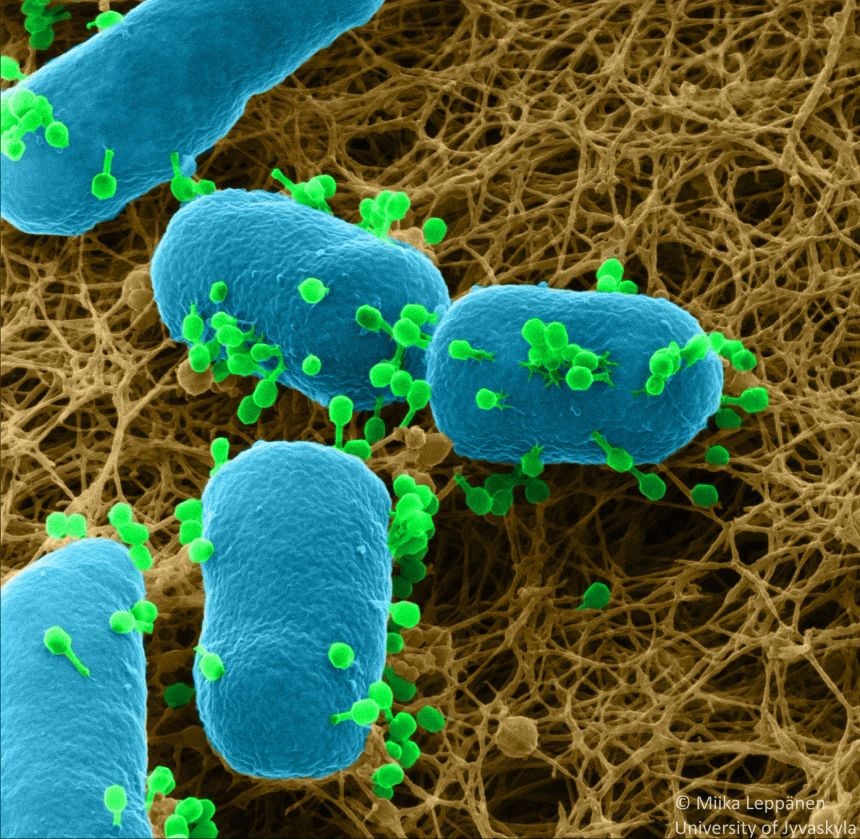 This image shows parasitic phages (green) swarming over the surface of bacteria (blue). Image credit Miika Leppänen (University of Jyvaskyla)
In research published today in Science we studied interactions between a single-celled bacterium, Pseudomonas aeruginosa, which acts as a host for bacteriophage parasites - tiny viruses that infect bacterial host cells, reproducing inside these cells, and burst their host to release their progeny. This host-parasite system is very useful because we can observe co-evolution between Pseudomonas and phage in real-time. At the start of experiments, the bacterial clone we used was susceptible to all of our viral parasites. However, the bacteria rapidly evolved resistance to phages by modifying their cell surface to make it harder for phages to attach and infect: phage must attach to the cell surface before they inject their lethal DNA. In response, phages evolved modified structures to attach to the altered cell surfaces.
Diverse parasite communities are typical in many ecosystems. Our work shows that, relative to infection by single parasite species, parasite diversity can drive rapid evolution of host resistance. Host populations also become more evolutionary divergent from each other. Ultimately, this genomic split between populations could lead to the formation of new species of bacteria and phage.
In our experiment, we also tested whether increasing parasite diversity alters the mode of coevolution between hosts and parasites. We further examined how changes are mediated through mutations in host and parasite genomes. The nature of these changes often falls into one of two competing descriptions: Arms Race and Red Queen. Arms races involve the escalation of host resistance and parasite infectivity continuously through time, such that future populations of hosts (and parasites) are always more resistant (or infective) than ancestors. By contrast, Red Queen coevolution is dominated by patterns of rotating strategies to match your present opponent, such that today’s strategy should be most effective with your opponent now, and less suited to past or future opponents.
 Image shows the ancestral bacteria from this experiment growing in a Petri dish using the same growth media as this experiment. The bacteria are naturally fluorescent under UV light.
Our study reveals that parasite communities can form hotbeds of rapid antagonistic coevolution. With increasing parasite diversity, coevolution shifts in favour of stronger arms races between hosts and parasites. As parasite diversity increases, coevolution speeds up. Both hosts and parasites evolve ever greater levels of resistance and infectivity, respectively. This whole process is underpinned by a shift in hosts towards the spreading of a general defence strategy suitable against a variety of enemies. Maintaining different kinds of resistance specific to fighting each parasite in the community is not the best approach. The ability of hosts to use generalised resistance mechanisms is crucial to the acceleration of evolution that we see in the face of a multitude of parasites.
These results have profound implications for our thinking on the drivers of rapid evolutionary change and the evolution of diversity. It may well be that parasite communities play a role in the elevated rates of evolution observed in natural ecosystems with high levels of diversity, such as the Amazon rainforest.
The full paper is available to view from the journal Science
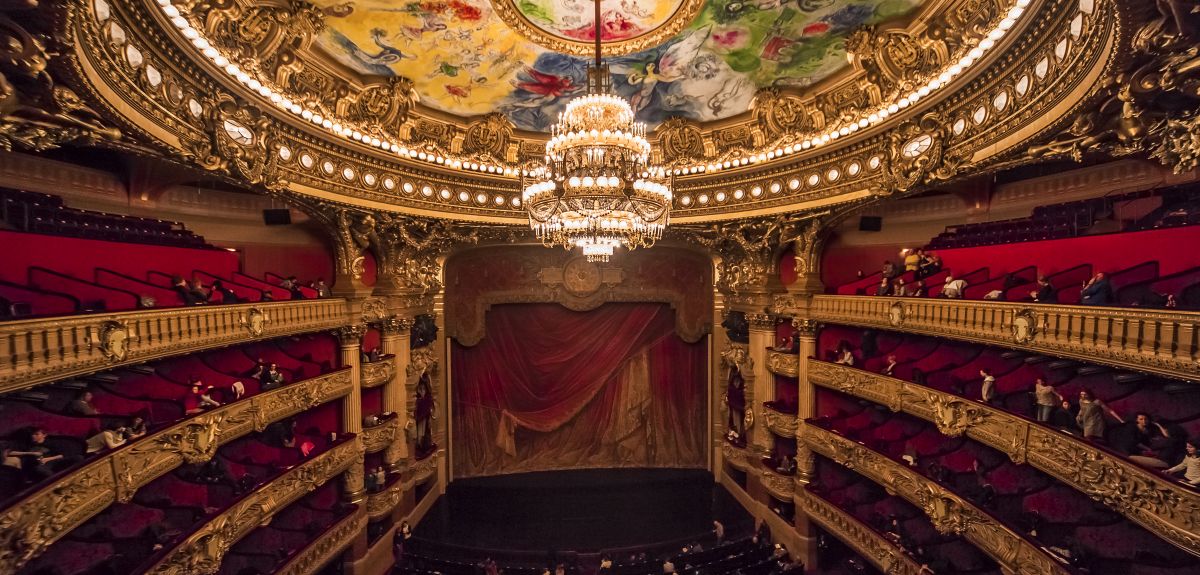
Francesca Moll meets the pioneering songwriter on a mission to prove that opera is for everyone.
What do you think of when you think of opera? 'I think we're past the "fat lady with horns" now,' says Dr Toby Young, the Gianturco Junior Research Fellow researching Music and Philosophy at Linacre College.
But while other genres of classical music have been undergoing something of a renaissance, opera remains a niche interest, hampered by the perception of it as a difficult genre reserved for the privileged few. This is something that Toby, a true music lover who appreciates everything from 13th-century Armenian folk music to the grime artists recently so instrumental in Jeremy Corbyn's election campaign, is determined to change.
'Opera was for a long time very much the music of the people,' he says. 'Now, stereotypically, the audience is white, middle-aged and fairly wealthy. I want to say that opera is for everyone, but at the moment it clearly isn't.'
Nobody could be better placed to change this. In addition to his academic work, Toby is also a songwriter exploring the boundary between pop and classical music. As well as writing for the London Symphony Orchestra and King's College Cambridge choir, he has worked with a variety of big names including drum and bass group Chase and Status, Duran Duran and the Rolling Stones ('They're just amazing musicians, Mick is just an amazing performer').
As part of a Knowledge Exchange Fellowship with The Oxford Research Centre in the Humanities (TORCH), Toby has been working with McCaldin Arts, a group of professional opera singers, to explore precisely what it is that makes opera so difficult to engage with.
Apparently, the issue is not simply the cost of going to the opera: 'Actually it's cheaper to go to the opera more often than it is to go to the football.'
It also is not a question of opera being especially removed from the rest of modern music. In the course of workshops with singers from a wide range of genres, Toby and his partner at McCaldin Arts, Clare McCaldin, discovered something rather surprising. Technically speaking, there is actually very little difference between opera and pop, with singers from both genres making use of a similar set of skills. A lot of the distinctiveness simply lies in how a piece of music is presented: for example, whether there is a piano accompaniment or a drum and bass beat playing in the background.
Actually, according to Toby, 'pop and opera aren't that different after all'.
It seems opera's problem is far more complex: often it's simply the case that people are raised in certain cultural worlds and are unwilling to stray out of their comfort zone. This is not helped by the fact that traditional opera, with its lengthy run times and big, over-the-top subject matter, can often seem out of touch with modern people's everyday lives.
Toby says: 'Especially now, as society speeds up, we're dealing with people's short attention spans. Opera requires you to slow down a bit.
'It's not so much that they don't understand it. But people haven't experienced a good one, or else they've seen one that put them off for life. You know, they went with school, and they just went, "Why am I seeing this slightly weird hammy thing with someone just standing and singing at me?"
'I think when it's done well, opera is such an effective, emotional, moving and wonderful thing. When it's not done well, it can be really strange, off-putting and distancing. It's such a fine balancing act between a really amazing effective thing where you leave there and go, "wow, that has inspired me in so many ways" versus something where you leave going "oh my God, that was a waste of three hours of my life."'
Work has been done by groups such as Opera Up Close and Silent Opera to bring opera to communities that might be unfamiliar with it, but Toby thinks it requires more than just playing a traditional opera in a new setting to truly engage people. He believes that opera also needs to create a fresh sound that is closer to music people recognise. This is something he hopes to work on in the future, drawing on his experience of popular and classical songwriting to create an original piece that fuses elements of both.
Despite all the challenges, Toby is convinced that opera can be a vital, relevant genre, in a unique position to hold up a mirror to the problems modern society faces.
'There's no other art form that's so complete,' he says. 'You have interesting visuals, you have the acting, and you have the dramatic music all coming together in a truly unique way.
'Because it has to work so hard to draw you in, when you're drawn in I think you're hooked.'
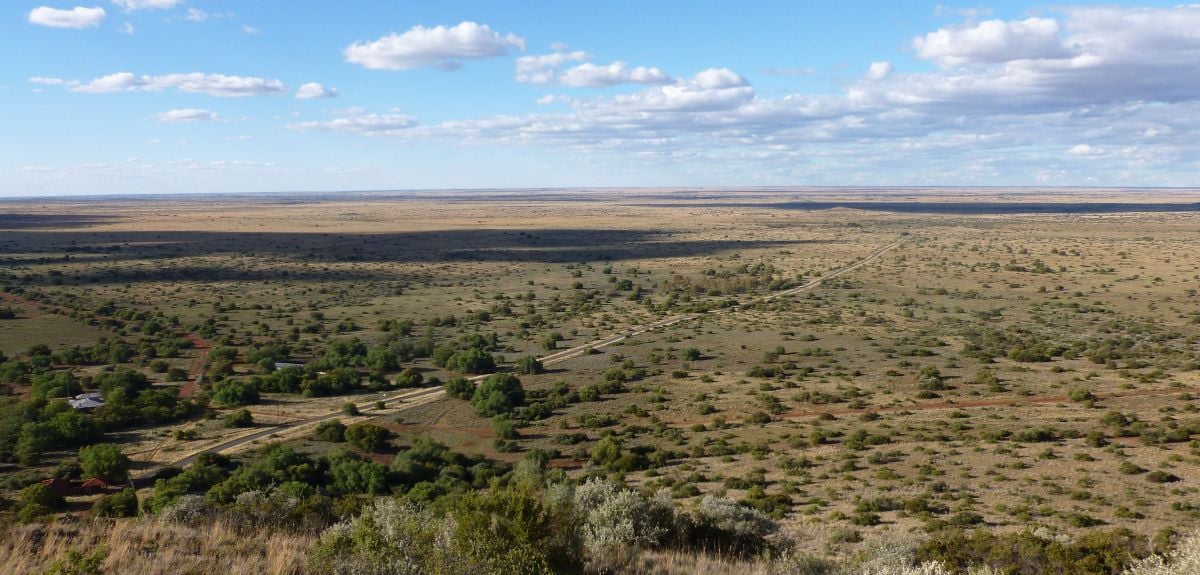
Michaela Ecker, a former doctoral student in the Oxford School of Archaeology, details her recent research at Wonderwerk Cave of Southern Africa, on which she is the lead-author. Conducted in partnership with the University of Toronto, the Hebrew University Jerusalem, the National Museum in Bloemfontein and the McGregor Museum in Kimberley, South Africa, the findings, published in Nature Ecology & Evolution, shed light on how the first humans and the environment itself may have evolved.
From the smallest to the largest, environmental context is the key driver behind the evolution of organisms. Understanding the environments in which humans evolved is thus key to improving our knowledge of our species and its development. My recent work at Wonderwerk Cave has demonstrated how humankind existed in multiple different environmental contexts in the past, contexts which were substantially different from the local environments in the modern day.
My research in South Africa began at the Florisbad Quaternary Research Station (part of the National Museum in Bloemfontein, South Africa) where James Brink has assembled an unparalleled collection of fossil and modern specimens of the bovids of southern Africa. Walking into his lab that is housed in a large building made of corrugated metal is like stepping into a great library, only instead of books the shelves are lined with bones.
By analysing the isotopes of teeth of a spectrum of animals from the different levels at Wonderwerk Cave - which cover a period of close to two million years, I hoped to be able to fill in the picture of the environmental history of the interior of southern Africa and particularly the ecological context of early human occupations.
Even before I drilled a single tooth for stable isotope analysis, the first thing that caught my attention as we examined the fauna from excavations at Wonderwerk Cave was a tooth of an antelope that most people have never heard of - the Southern Lechwe (Kobus leche). This animal needs permanent standing water as habitat and is nowadays restricted to the extensive wetlands in northern Botswana, Namibia and Angola. It could not survive in the modern environment around Wonderwerk Cave, which is a semi-arid thornbush savanna that receives rainfall only in the summer months. This means the environment must have been extremely different in the past that it could support this species, assuming it had the same habitat requirements as today.
After studying the collections at Florisbad Quaternary Research Station it was time to visit the site itself, together with Liora Kolska Horwitz, the co-director of overall research at Wonderwerk Cave.
The cave itself is a long tube with a low ceiling, running from a single entrance 140m into the hill, until the visitor is surrounded by complete darkness. The samples for this study were excavated near the cave’s entrance, where daylight still reaches and Holocene rock art adorns the walls. The present-day vegetation at Wonderwerk Cave, at the edge of the Kalahari, is composed of grasses that follow the C4 photosynthetic pathway and trees and bushes that follow the C3 photosynthetic pathway.
The lechwe antelope teeth showed carbon isotope values that are similar to contemporary animals. However, the carbon isotope results for species that consume a grass diet showed a mix of C3 and C4 in their diet. This meant there was not only much more water around, as attested by the very presence of the lechwe, but also a plant community that is not found in a modern African savanna.
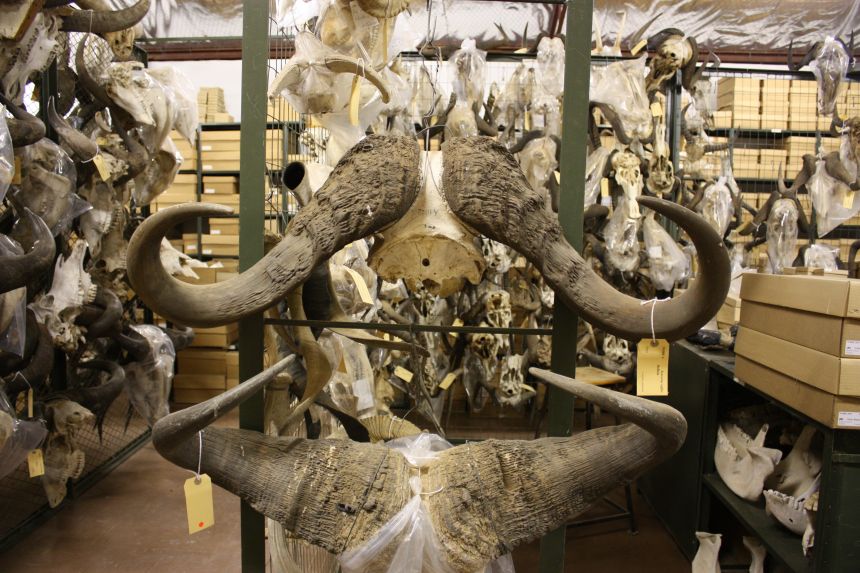 A relic of the Southen Lechwe Antelope sits in the collection at the Florisbad Quaternary Research Station, National Museum, Bloemfontein, South Africa. Credit: Wonderwerk Cave Research Project.
I presented these findings in 2016, at the Society of African Archaeologists meeting in Toulouse, where unbeknownst to me, Lloyd Rossouw, an archaeologist from the National Museum in Bleomfontein and another member of the large international Wonderwerk team, was also presenting results from Wonderwerk Cave, only this time focused on Phytoliths - the mineral particle that form inside plant tissues.
Once we realised our research links, it became apparent that our results evidenced similar trends and conclusions, which we then combined with a whole range of analyses from other specialists. This exchange of knowledge allowed us to build a clearer picture of the environment at Wonderwerk Cave during the occupation of the earliest toolmakers in the region, and their descendants.
These findings challenge the narrative of early Homo adapting to open, arid C4 savannas. It shows that these hominins lived in a wide range of environments, some of them different to anything existing in Africa today.
This study highlights the need to review local terrestrial records to reconstruct past climate and environmental conditions, rather than global records alone. While this can be challenging, since some areas don't preserve long sequences well, Wonderwerk Cave is a rare exception in this region in the dry interior of southern Africa and testament to the importance of considering every aspect of the local ecology – you never know where your first clue might come from.
The full list of people involved in this project is as follows:
Lead author: Michaela Ecker (former doctoral student at Oxford’s School of Archaeology, now postdoctoral fellow at the University of Toronto)
Excavation directors: Michael Chazan (University of Toronto), Liora Horwitz (Hebrew University Jerusalem), Francesco Berna (Simon Fraser University).
Julia Lee-Thorp (Head of Oxford’s School of Archaeology), James Brink and Lloyd Rossouw from the National museum in Bloemfontein, South Africa.
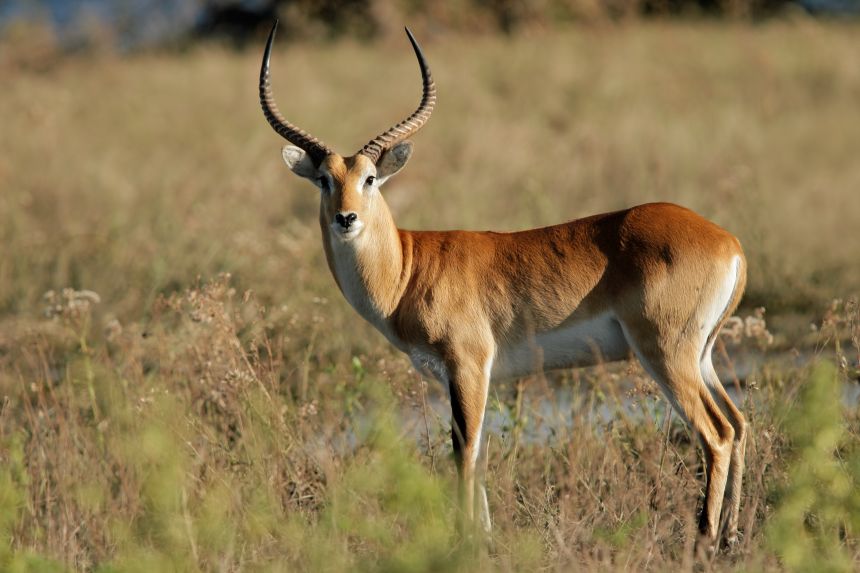 The Southern Lechwe Antelope (Kobus leche) is an animal that needs permanent standing water as habitat, and is nowadays restricted to the extensive wetlands in northern Botswana, Namibia and Angola.
Image credit: Shutterstock
The Southern Lechwe Antelope (Kobus leche) is an animal that needs permanent standing water as habitat, and is nowadays restricted to the extensive wetlands in northern Botswana, Namibia and Angola.
Image credit: Shutterstock
Des Oliver is a composer and has recently completed his doctorate in composition and critical writing at Worcester College, Oxford. He is currently the curator of the Oxford Music Faculty's 'Sounds of South Asia' series. Des went into music because he is creative but says 'it could have been anything: painting, music, architecture, anything that involved creation'.
The 'Sounds of South Asia' series is a new addition to the events calendar at the Faculty of Music that came, according to Des 'out of a long journey with many legs'.
During study for his DPhil in composition, Des had to complete both a thesis and a portfolio of work. His thesis concentrated on a 20th-century French composer called Olivier Messiaen and on post-colonial discourse in art – particularly the ethics of cultural appropriation by musicians. It was important to Des as a way to consider and challenge his own cultural appropriation and to open a dialogue as to why artists do it.
The final part of his thesis was to consider cultural appropriation from a viewpoint other than his own – a Western classical composer – so he contacted Dr Shruti Jauhari, an Indian Hindustani vocalist. This meeting led to the formation of the 'Sounds of South Asia' series and Dr Jauhari's performance in the first concert.
The first concert of the series on the theme of 'appropriation, cross-pollination and cultural transmission' took place in April at Oxford's Holywell Music Room. This was formed of three parts: first,
Maurice Delages' del Quatre poèmes hindous (Four Hindu poems), each named after a city in India that he had travelled through during his tour of the country in 1911-1913. The third part was a traditional Hindustani work performed by Dr Jauhari. Between these two pieces was a composition of Des's own, Malli Kamoda, which was created to act as a bridge between the Western composition and the Hindustani, pulling in aspects from both.
'The most interesting part of setting up this series has been seeing how very different artists share similarities, how different traditions like to push the envelope and challenge themselves,' says Des. 'I was also overwhelmed by the amount of interest we have had in the series from BME students around the University and from schools throughout Oxford who have been in touch to set up workshops around this topic.'
Des's next aim is to get funding in order to record his Malli Kamoda piece so that more people can experience the mix of cultures that the piece covers. He is also writing a monograph based on his thesis, concentrating on Messiaen and cultural appropriation in music.
- ‹ previous
- 73 of 252
- next ›
 What US intervention could mean for displaced Venezuelans
  Setting the agenda for the next century of quantum
 10 years on: The Oxford learning centre making an impact
 Mapping the Moon: the world’s first lunar atlas goes digital
  Oxford and The Brilliant Club: inspiring the next generation of scholars
 New course launched for the next generation of creative translators
 The art of translation – raising the profile of languages in schools
  Opening a window into the quantum world
 Tracking resistance: Mapping the spread of drug-resistant malaria