
Faculty of Medieval and Modern Languages
The Faculty of Medieval and Modern Languages at Oxford is one of the world’s leading centres for the study of European languages, literatures and cultures, and their relations with other communities and cultures around the globe.

The Taylor Institution Library. Credit: Oxford University Images / Ian Wallman

Overview
The faculty is consistently ranked highly in the QS World University Rankings in Modern Languages. Academic staff working in the sub- faculties of French, German, Italian, Spanish, Portuguese, Greek and Slavonic offer expertise in areas ranging from the medieval period to the present day, including postcolonial and transnational contexts.
The faculty's graduate students work on projects that engage with literatures and cultures from medieval and early modern literature and culture through to modern and contemporary literature, film and cultural history.
Areas of particular interest that span the faculty's different languages and period specialisms include; History of the Book, Performance and Voice, Translation and Adaptation, Postcolonial and Decolonial Studies, Gender and Diversity, Ecology and Environmental Humanities, Cognitive Literary Studies, Medical Humanities and Life Writing, and Comparative Literature.
As a student on one of the faculty’s one- and two-year master’s courses, you may develop a more general study programme in your chosen language or choose to focus your study on Comparative Literature, Enlightenment Studies, Medieval Literature, Slavonic Studies, or Yiddish Studies.
With academic staff working in languages including Czech, French, German, Greek, Italian, Polish, Portuguese, Russian, Slovak, Spanish and Ukrainian, an internationally renowned research collection in the Taylor Institution Library, and widespread links with universities in Europe, Africa, and the Americas, the faculty's graduate programmes offer a vibrant and unique environment with supervision in medieval, early modern and contemporary literature in each language.
Courses offered
The courses shown below are offered at postgraduate level.
- MSt in Creative Translation (full time)
- MSt in Histories and Cultures of Colonisation (full time)
- DPhil in Medieval and Modern Languages (full time and part time)
- MPhil in Modern Languages (full time)
- MSt in Modern Languages (full time)
- MPhil in Slavonic Studies (full time)
- MSt in Slavonic Studies (full time)
- MSt in Yiddish Studies (full time)
Humanities Division
Oxford is at the forefront of international research in the humanities, with five subject areas judged to have the highest volume of world-leading 4*-rated research in the UK in the 2021 Research Excellence Framework.
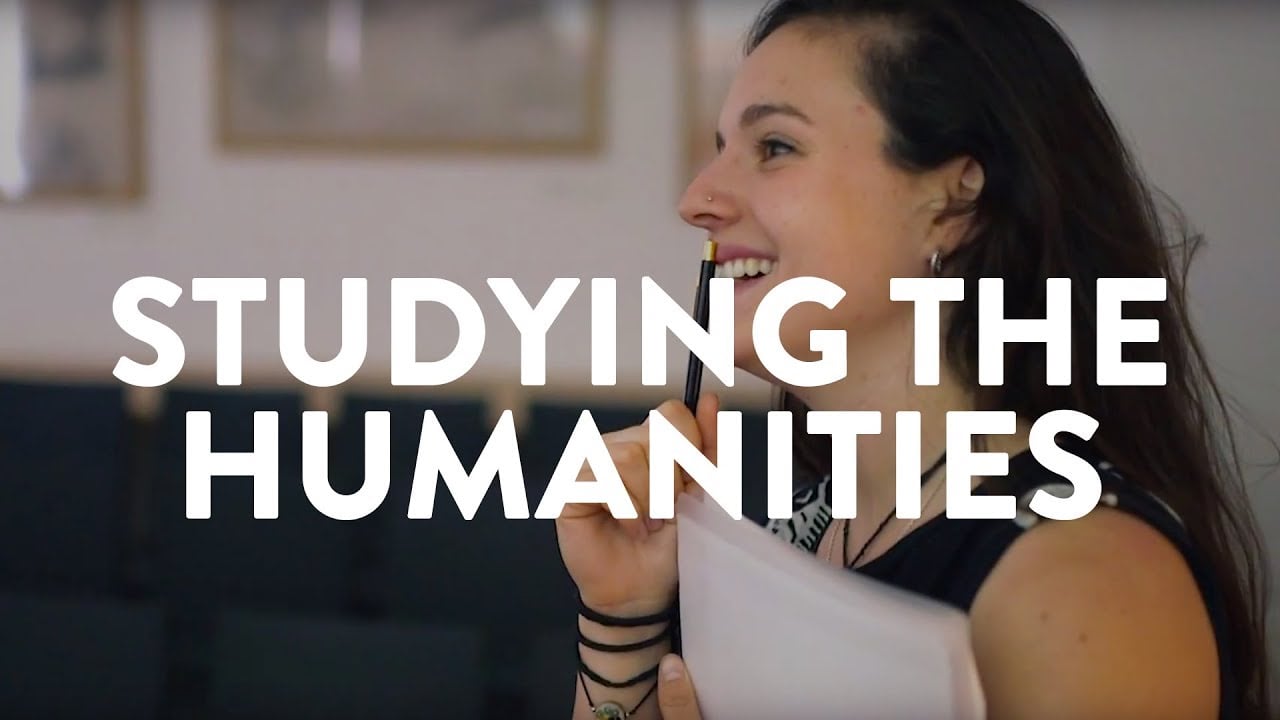
The Humanities Division comprises around a third of the University's community of staff and students, offering taught graduate and research degrees in a very wide range of subjects. Humanities departments and faculties attract outstanding students, academics and researchers from across the globe. As a result, graduate students have the opportunity to undertake their studies and research in a stimulating, challenging and highly rewarding intellectual environment.
Some of these subjects are relatively new, and cross the boundaries of traditional disciplines. Others are areas of academic research that have long been recognised as of central importance, and they include some that few other universities are still able to support. In each case, the objective is to sustain and to teach the highest standards of scholarship. The dynamism of intellectual activity is evident in the wide variety of open lectures and seminars, in addition to those for specific courses.
You will have access to an immense range of research material, including digital resources. These resources are provided through Oxford’s impressive library system, based on the central Bodleian libraries, through the work produced by the University's research projects, and through the rich and diverse holdings of its museums.
In addition to materials and support focused on conveying subject-specific knowledge, there are a wide range of facilities aimed at the personal and professional development of students, strengthening their existing skills, developing new skills, and preparing them for careers after they have completed their studies.