
Department of Materials
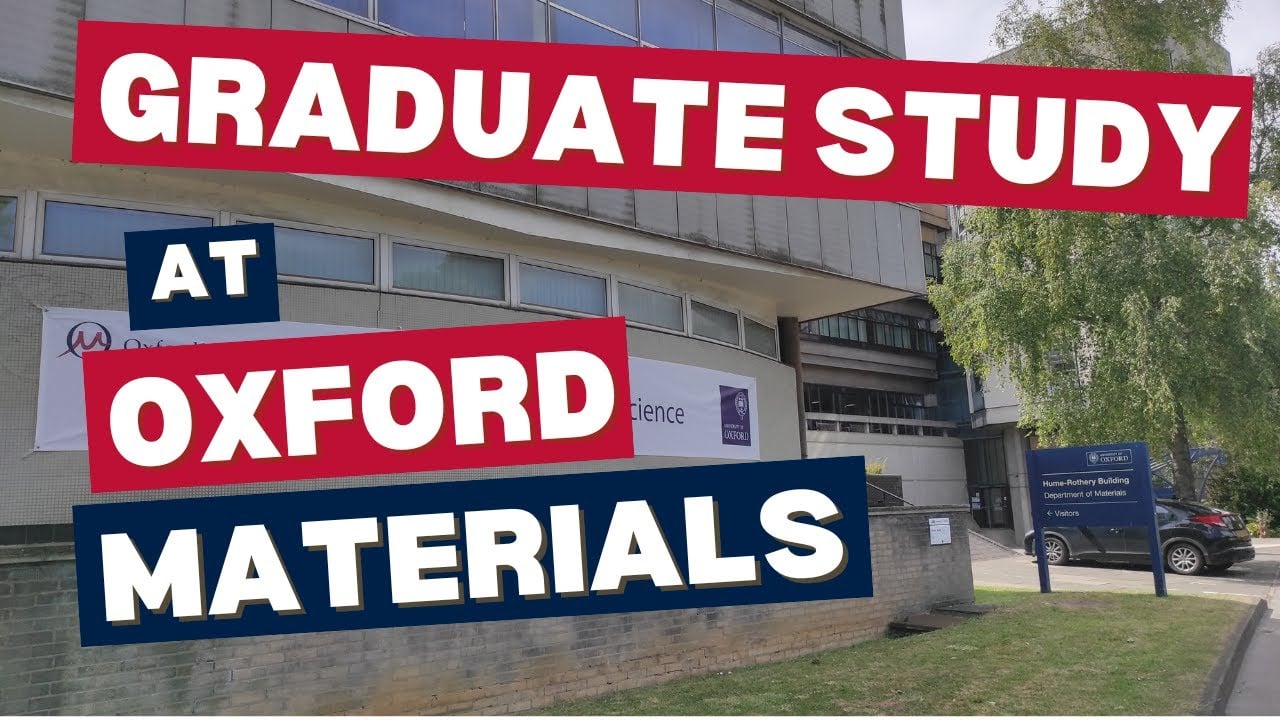
The Department of Materials is at the forefront of designing and processing advanced materials that will underpin the key technologies of the future. It houses a community of 35 academics, 200 graduate students and over 70 postdoctoral researchers.
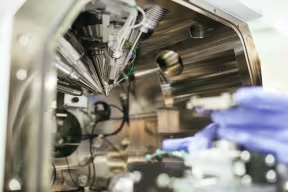
Machinery in a Materials Science laboratory. Credit: Oxford University Images / JIan Wallman

Overview
Materials science is a diverse and exciting research field, influencing everything from the design of jet engines, and nuclear reactors to better biomedical implants, new methods of computation and more efficient solar panels.
The department has thriving research groups across the full breadth of the discipline. Recent new departmental directions include energy storage and devices, fusion power and quantum computing and devices, while we have also significantly reinforced our strengths in characterisation, modelling, and processing of advanced materials. The department's research students are of many nationalities and come to the department from diverse scientific backgrounds; primarily materials science, physics, chemistry and engineering, but including subjects such as mathematics, earth sciences and biology.
The department has wide industrial links with many projects funded by national laboratories and commercial companies. In recent years this has included collaborations with Government funded partners including UKAEA, the Diamond Light Source and the Roslin Franklin Institute and with major industrial groups such as Rolls-Royce, Johnson-Matthey and EdF as well as key links to many smaller companies including several departmental spin outs.
Most of the department is in central Oxford near to the other science departments, as well as close to many of the colleges, the Radcliffe Science library and the University Parks. Some research laboratories housing larger industrial-scale capabilities are on the Begbroke Science Park a few miles north of Oxford, which is well connected to the main site by a regular free shuttle bus.
Courses offered
The courses shown below are offered at postgraduate-level.
- Fusion Power (EPSRC CDT) (full time)
- Inorganic Materials for Advanced Manufacturing (EPSRC CDT) (full time)
- DPhil in Materials (full time)
- MSc by Research in Materials (full time)
- Materials 4.0 (EPSRC CDT) (full time)
Mathematical, Physical and Life Sciences (MPLS) Division
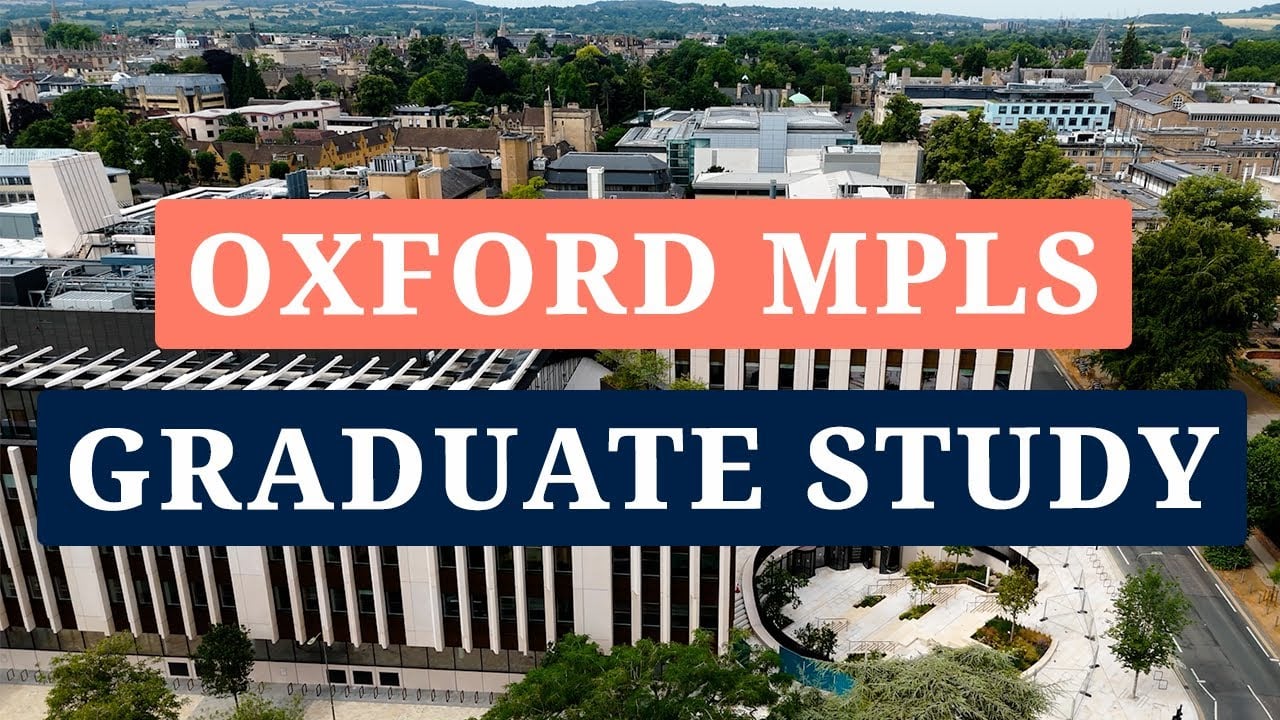
MPLS is proud to be home to some of the most creative and innovative scientific thinkers and leaders in academia, whose interdisciplinary research is tackling major societal and technological challenges.
The quality and impact of the division's work have been recognised by successive rounds of the national Research Excellence Framework and Teaching Excellence and Student Outcomes Framework exercises, and its departments frequently top the major higher education league tables. Its research is also regularly identified as one of the most significant recipients of grant funding in Europe.
The division’s 9 departments and interdisciplinary doctoral training centre span the full spectrum of the mathematical, computational, physical, engineering and life sciences, and undertake both fundamental research and cutting-edge applied work.
The MPLS Division has a vibrant and exciting research environment, offering frequent opportunities to share your research and engage with scientists working across the research spectrum. It has extensive links with other leading universities, research institutes, public sector bodies, business and industry, in the UK and abroad. Research at the interface between disciplines is strongly encouraged, both within the mathematical, life and physical sciences, and within the medical and environmental sciences.
Teaching is a major part of the division’s activities. It teaches around 7,300 students (including around 3,400 graduate students) and is playing a key part in training the next generation of leading scientists.
The division is striving to create and sustain an inclusive culture where diversity is valued and equity prevails, so that individuals of all backgrounds can fully contribute to its scientific community in a safe and supportive culture. All academic departments in the division hold Athena Swan Awards. Diversity matters and benefits everyone. Scientific and technological innovations change the world and everyone should have access to participate and engage in that change.