
The King presents The Queen Elizabeth Prizes for Education
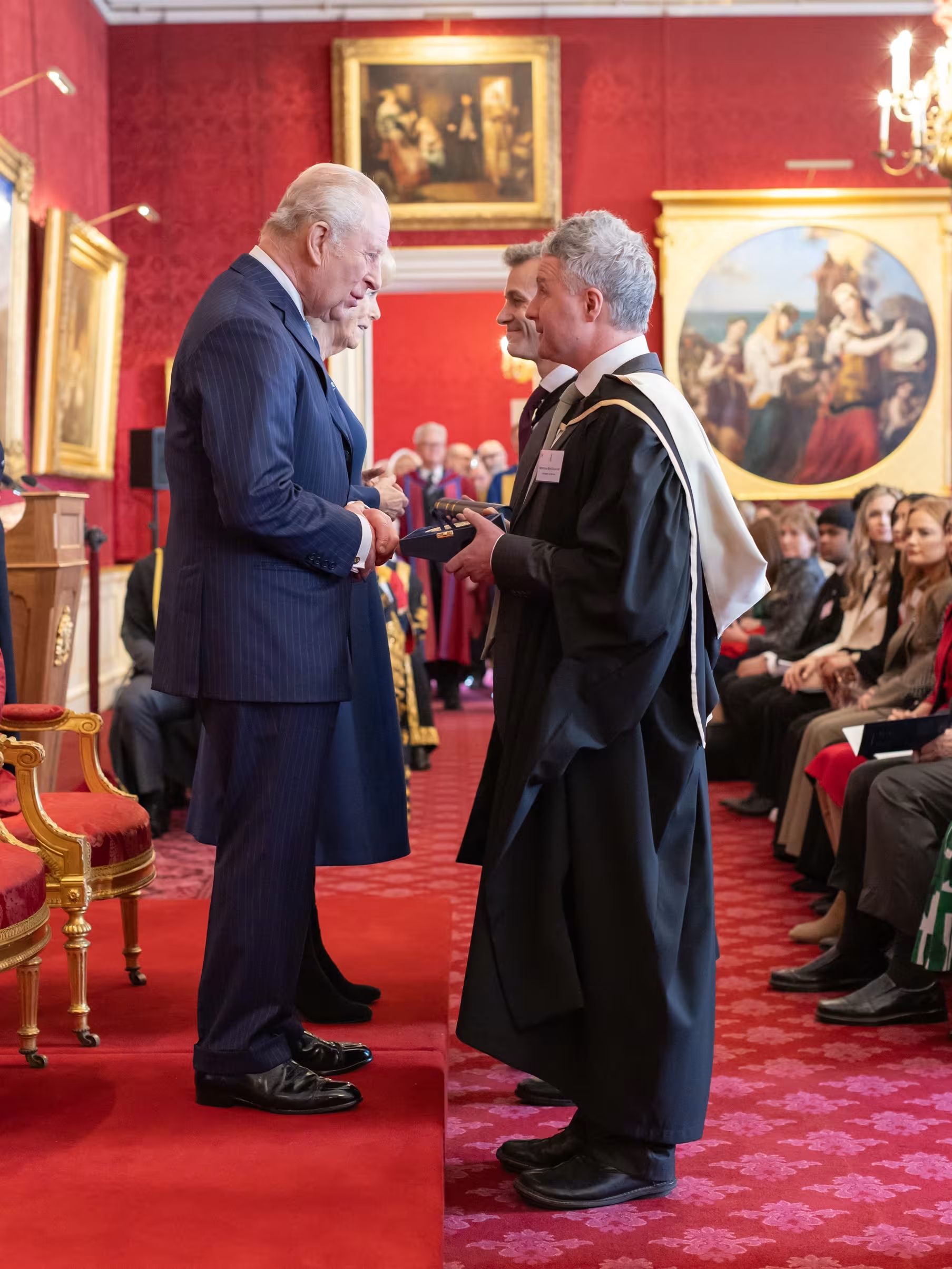
Researchers from the University of Oxford have been presented The Queen Elizabeth Prizes for Higher and Further Education in recognition of outstanding work at UK universities and colleges in a ceremony at St James's Palace.
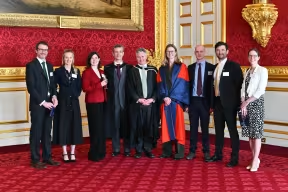

The King presented The Queen Elizabeth Prizes for Higher and Further Education in recognition of outstanding work at UK universities and colleges in a ceremony at St James's Palace.
Recipients included a centre tackling sustainability in the textile industry, a partnership providing higher education in prisons, and groundbreaking research into Paralympic performance.
This year, the University of Oxford was awarded a Queen Elizabeth Prize for Higher and Further Education in recognition of the globally impactful work of the OpenSAFELY platform.
Based within the Nuffield Department of Primary Care Health Sciences at the Bennett Institute for Applied Data Science, OpenSAFELY was created during the earliest days of the COVID-19 pandemic. It pioneered a new method of accessing whole-population NHS GP data - which OpenSAFELY made accessible for the first time in history - unlocking life-saving research while protecting patient privacy more robustly than ever before.
Traditional methods of data analysis often involve moving large datasets to researchers. OpenSAFELY reversed this model. Researchers get “dummy data” to develop their analysis, then submit their analyses for automated remote execution against real patient records, without ever needing to move data, or interact directly with sensitive personal information.
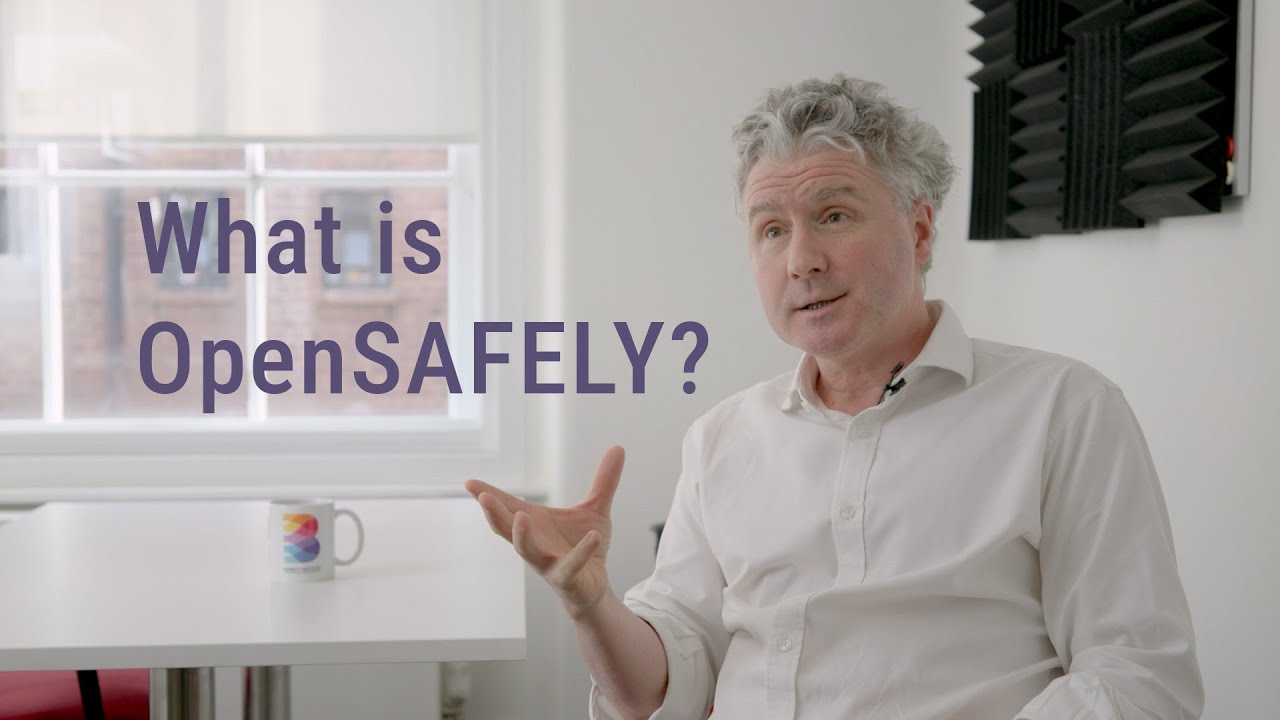
Professor Ben Goldacre, Director of the Bennett Institute for Applied Data Science, said: 'Patient data can supercharge research, but it must be treated with huge respect: those medical records contain, by definition, the most confidential medical secrets of every citizen in the country. Our work has shown that you can have data access and patient privacy, safely unlocking data access to improve healthcare for all, if platforms are designed with innovative privacy-preserving methods at their core. OpenSAFELY is also a public asset: all our code is given away for free, so that everyone can see it, understand it, and re-use it.
'OpenSAFELY is a huge collaboration, across many organisations and sectors including our team, the electronic health record vendors TPP and EMIS, patient and professional groups, our hugely productive researchers and users, and NHS England. We are honoured to have won this prize, and we hope that more users will come to tap the power in this confidential patient data through secure means.'
Since receiving the prize, the OpenSAFELY platform has reached another milestone. In February 2026, NHS England opened the service to non-COVID health research for the first time, allowing researchers across the UK to apply to use whole-population GP data for questions spanning chronic disease, mental health, treatment safety, and more. The application window is open until 30 April 2026, with details available on the website.
The Queen, The Princess Royal, and The Duke and Duchess of Gloucester joined the presentation ceremony.
The Princess Royal attended the ceremony in Her Royal Highness's capacity as Chancellor of The University of Edinburgh, which is receiving an award for research and education by its Centre for Fire Safety Engineering.
Following the presentations, Their Majesties and Their Royal Highnesses joined recipients at a reception to hear more about their award-winning work.
The Queen Elizabeth Prizes for Higher and Further Education are part of the UK national honours system. First awarded in 1995 and now in their sixteenth round, the Prizes are granted every two years on the advice of the Prime Minister following a rigorous review process managed by the Royal Anniversary Trust, an independent charity.


