The Engineering and Physical Sciences Research Council (EPSRC) has today announced £9m of funding – known as the Healthcare Technologies Challenge Awards – to be shared among research projects that promise to improve healthcare diagnosis and treatment across a wide range of issues.
A scratch from a rose thorn while gardening. It’s an easy injury to pick up even if you’re being careful. It’s annoying but no more than that. If that scratch were to be in your mouth, that would be unusual, unfortunate and maybe a little embarrassing.
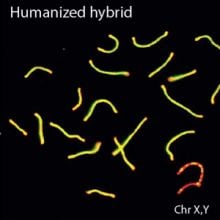
A study by researchers at the Wellcome Trust Centre for Human Genetics at Oxford University has uncovered the key role played by a single gene in how groups of animals diverge to form new species.
Fearless in the face of corporate interests and revealing information from even the most secretive laboratories, Policy 0043 is unique, making the European Medicines Agency (EMA) the most open and transparent medical regulator in the world.
As a philosophical and practical concept, the idea of the division of labour – the separation of a work process into a number of tasks – can be traced back through figures as eminent as the economist Adam Smith and the engineer Charles Babbage (and even to a passage in Plato's Republic).
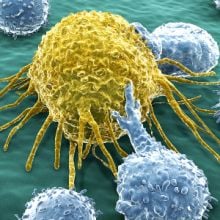
1 in 3 people born after 1960 in the UK will be diagnosed with some form of cancer in their lifetime, and each year, 4th February marks World Cancer Day, to raise awareness and encourage individuals and governments to fight the disease.
Antibiotic resistance is one of the greatest challenges facing global public health, threatening our ability to treat common infections. Cutting-edge research in Oxford University's Department of Chemistry is exploring new ways of administering antibacterial vaccines that could combat growing resistance from bacteria.
It sounds like the perfect arrangement. The plant receives vital nutrients such as phosphorous and potassium, and in return the friendly fungus gets the sugars and carbon it needs.
But there might be something more sinister going on, according to evolutionary biologists at the University of Oxford.