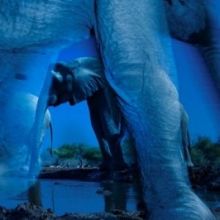
The Wildlife Photographer of the Year exhibition opens today at Oxford University’s Museum of Natural History.
The exhibition, which showcases some of the world's best nature photography, will be on display in the museum’s Main Court from today until 22 September.
Although the vacation is upon us, Oxford's colleges are still busy with students on the UNIQ summer school. UNIQ aims to give high achieving state school students from socio-economically and educationally disadvantaged backgrounds a taste of what academic life at Oxford is like.
Did you miss the tenth episode of Margaret MacMillan's radio series about the road to World War One yesterday? Well don't worry because there are 33 more to come.
John Humphrys, the presenter of Radio 4's Today programme, can strike fear into prime ministers and CEOs. But he was no match for Oxford University classicist Cressida Ryan in an interview this week.
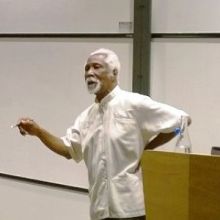
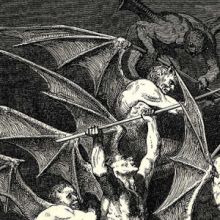
Why are we entertained by evil? Who has the capacity to commit evil? These questions were considered by 90 delegates from around the world who met in Oxford today (Friday 27 June) for a conference exploring the concept of evil, and what role it plays in human experience.
Forget Cannes, move over Sundance. The Radcliffe Humanities building will host a film festival on public health next week.
The Public Health Film Festival, which will take place on Friday 27, Saturday 28 and Sunday 29 June, has been organised by public health students and practitioners from Oxford.
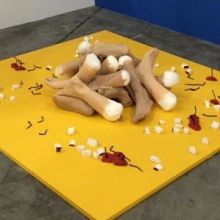
Artwork by final-year art students at Oxford University will go on show this weekend at the annual Ruskin Degree Show.
Taking place from 21–23 June at the Green Shed, Osney Mead, with a private view on 20 June, the public exhibition will feature a bold and diverse range of work in a variety of forms and on a number of themes.
The Bodleian Libraries' summer 2014 exhibition tells the story of the first two years of World War One, focusing on compelling eyewitness accounts ranging from the Cabinet table at 10 Downing Street to outposts of the Empire in Africa.
Oxford social geographer Dr Jane Dyson took filmmaker Ross Harrison to a village 2500m high in the Indian Himalayans to chart some of the significant social changes taking place.